
0%

Warehousing And Storage Solutions shape how products move from receiving docks to shelves, packing stations, and delivery vehicles. The right setup can reduce wasted movement, protect inventory, and help teams meet changing demand. A pallet left in the wrong aisle may seem minor, but repeated delays can slow an entire shift. Small details matter.

Supply chain expert Martin Christopher wrote, “It is not individual businesses that compete but rather their supply chains.” That perspective explains why warehouse choices affect more than storage capacity. They influence service, cost, and coordination with suppliers and customers. Costs matter. So does daily usability.

This guide examines common warehousing and storage solutions, including public, private, and shared facilities, as well as shelving, pallet racking, and automated systems. It considers how inventory volume, product dimensions, order patterns, and available floor space shape a practical choice. Readers will also find key trade-offs involving labor, flexibility, safety, and technology. The best option is not always the newest or most automated. A tidy layout can still fail when forecasts change or staff cannot reach fast-moving stock easily. No single design fits every operation. The aim is to help businesses compare options carefully, ask better questions, and choose a solution that works in real working conditions—not just on a planning diagram.
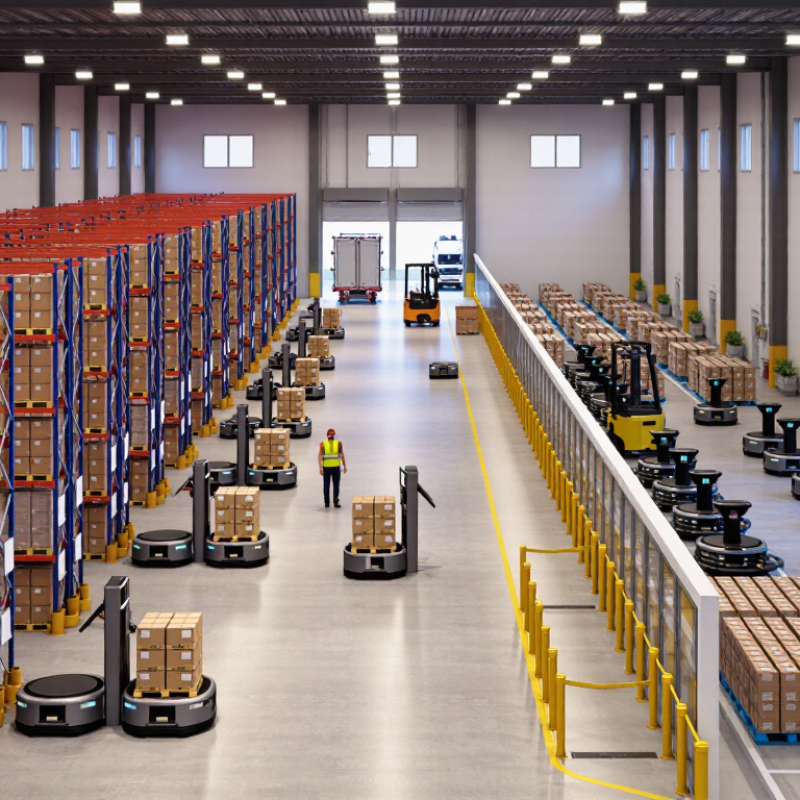
What Are the Best Warehousing and Storage Solutions?

What Warehousing and Storage Solutions Include

Warehousing and storage solutions combine space, equipment, software, and daily operating processes. Physical options range from pallet racks and shelving to bulk floor storage, secure cages, and temperature-controlled rooms. A small-parts area may use labeled bins, while fast-moving cartons sit near packing stations. The right layout depends on product size, turnover, handling needs, and available floor space.

Solutions also include receiving, put-away, inventory tracking, order picking, packing, and dispatch. Warehouse management software can record stock locations and movements, while barcode scanning helps staff confirm counts at the shelf. MHI’s 2024 Annual Industry Report found that 52% of respondents were using cloud computing and storage. That suggests digital systems are becoming a practical part of supply-chain operations, not just an optional upgrade. Still, software cannot fix unclear labeling or inconsistent counting.

Storage choices should reflect real operating conditions. A business handling fragile goods may need padded shelving and careful pick paths; seasonal stock may call for flexible overflow space. Temperature monitoring matters when goods require stable conditions. Small details count. Aisle width, dock access, and replenishment timing can affect how quickly orders move. I have seen layouts that looked efficient on paper but created extra walking once workers began picking. Measure actual movement, then adjust.

Major Types of Warehousing and Storage Facilities

Major Types of Warehousing and Storage Facilities

Warehouses differ by ownership, handling method, and the goods they protect. Public warehouses rent space by pallet, helping businesses manage seasonal stock or uncertain demand. Private facilities give one business greater process control but require steady volume. Contract warehouses provide dedicated space and labor under agreed service terms. No type wins every time.

Distribution centers position fast-moving inventory near transport routes and stores. Fulfillment centers pick individual orders using shelves, packing benches, and parcel lanes. Cross-dock facilities transfer inbound goods directly to outbound trailers, reducing storage time but relying on precise schedules.

Cold-storage sites need insulated rooms and temperature monitoring. USDA’s 2023 Cold Storage report recorded about 900 million cubic feet of refrigerated capacity in the United States. CSCMP’s 2024 State of Logistics report estimated U.S. logistics costs at $2.3 trillion in 2023.

Location and handling choices can affect more than rent. One weak point: buyers sometimes compare space prices before modeling labor and delivery costs.

Tips: Match the facility to storage time, order size, and temperature needs. Walk the docks; a cramped staging lane can undo a polished layout. Recheck demand quarterly.

How to Choose a Solution for Your Inventory

Choosing a warehousing solution starts with the inventory itself, not the building. Record each item’s dimensions, weight, turnover rate, and storage needs. A pallet of paper towels behaves differently from small, slow-moving spare parts. Measure your busiest weeks, too. Average volume can hide a seasonal bottleneck.

Then match storage and handling methods to daily work. Shelving suits many small items picked by hand, while pallet racks support heavier loads and forklift access. If orders contain many product types, clear labels and defined pick paths can reduce searching.

Check aisle width, loading access, and space for receiving before committing. Small details matter. A door that looks wide enough may still slow down bulky deliveries.

Compare total operating demands, not just the quoted storage price. Include labor, equipment, packing space, inventory visibility, and the cost of errors. Ask how quickly staff can locate an item and update its count. Test the process with a sample layout or a short pilot, if possible. Forecasts are guesses, even careful ones. I would leave room for growth, but not pay heavily for empty space based on optimistic projections. Revisit the choice when product mix or order volume changes.

Storage Systems, Equipment, and Warehouse Technology

Good warehouse storage starts with the inventory, not the rack catalogue. Measure the largest loads, note their weights, and track how often each item moves. Fast-moving cartons usually belong near packing areas; reserve stock can sit farther away. A small mismatch matters. A bulky item placed in a narrow aisle can slow every shift.

Pallet racks suit uniform loads and clear vertical space. Shelving works better for smaller goods picked by hand. Bins help keep loose parts visible, while mobile shelving can add capacity where floor space is tight. Check load ratings and aisle widths before installation. Leave room for safe turning, inspections, and changing stock. The densest layout is not always the most useful.

Equipment and software should support the work people actually do. Forklifts, pallet jacks, conveyors, and lift tables each solve different movement problems; training and routine checks remain essential. Warehouse management systems can record locations, guide picking, and flag low stock. Yet inaccurate scans create inaccurate records. Test workflows with real orders before expanding a system. Keep a simple backup process for outages. A polished dashboard can hide awkward tasks, so ask pickers where delays occur and revisit the layout after seasonal demand shifts.

Key Practices for Safe and Efficient Warehouse Operations

Safe, efficient warehouse operations begin with a layout workers can read at a glance. Keep pedestrian routes separate from equipment lanes, and mark crossings where visibility is limited. Store heavy items on lower, properly rated shelving, and secure loads before moving them. Place frequently picked stock near packing areas, while leaving room for carts to turn. Clear labels showing item locations and handling needs reduce searching and misplaced stock. Small details matter.

Tips: Check aisles at shift start. Remove loose wrap promptly. Use a step platform to reach high stock. Report damaged racks and keep the affected area clear until it is checked. Keep first-aid supplies and spill equipment visible and accessible.

Reliable routines matter more than a perfect floor plan. Train staff on safe lifting, equipment checks, and near-miss reporting. Refresh training when work processes change. Use cycle counts to spot mismatches, then investigate likely causes instead of adjusting figures blindly. Inspect racks, exits, lighting, and safety equipment on a documented schedule. No system is flawless. A clear aisle can become blocked by lunchtime, so assign responsibility and verify that problems stay fixed.

FAQS

What do warehousing and storage solutions usually include?

They include storage space, shelving or racks, inventory tracking, picking, packing, and dispatch. Some sites also use temperature-controlled rooms or secure cages.

How should I choose storage for different inventory?

Record each item’s size, weight, turnover, and handling needs. Small parts fit labeled bins; heavy pallets often need rated racks. Measure busy periods, not just averages.

What details should I check before choosing a warehouse layout?

Check aisle width, dock access, receiving space, and cart turning areas. A doorway can look generous but still slow bulky deliveries.

Can warehouse software prevent inventory errors?

Software can track item locations and movements. Barcode scans help confirm shelf counts. But unclear labels still cause mistakes.

How can a layout help workers pick orders faster?

Place frequently picked stock near packing stations. Use clear labels and defined paths. Then watch workers move; a plan may look better on paper.

What safety practices matter in daily warehouse operations?

Separate pedestrian routes from equipment lanes. Keep heavy items on lower, properly rated shelves. Check aisles at shift start. Clear loose wrap promptly.

How should damaged racks or blocked aisles be handled?

Keep the affected area clear and report damaged racks for inspection. Assign someone to recheck blocked aisles. Problems can return by lunchtime.

How often should inventory and safety routines be reviewed?

Use cycle counts to find mismatches, then investigate likely causes. Inspect racks, exits, lighting, and safety equipment on a documented schedule. No system is flawless.

Conclusion

Warehousing And Storage Solutions encompass the facilities, systems, equipment, and processes used to receive, organize, protect, and move inventory. Options range from general-purpose warehouses to specialized spaces designed for particular storage needs. Choosing the right solution depends on factors such as the type and volume of goods, how quickly inventory moves, available space, accessibility requirements, and plans for future growth.

Effective operations combine suitable storage systems and material-handling equipment with technology that helps track inventory and coordinate work. Clear layouts, accurate records, regular inspections, and well-defined procedures can improve efficiency while helping protect workers and stored goods. By matching facility type, capacity, and operational practices to the inventory, businesses can make better use of space, support reliable order fulfillment, and adapt as their needs change.

Charlotte

Charlotte

Charlotte is a dedicated marketing professional with a strong understanding of the company’s products, services, and customer-focused solutions. With a talent for translating complex information into clear, practical insights, she regularly updates the company’s professional blog, sharing useful......