Navigating modern international trade demands more than securing container space on a vessel. Ocean Freight Export Shipping serves as the fundamental engine of global B2B procurement, cross-border commerce, and manufacturing supply chains. In an era marked by maritime geopolitical shifts, carrier alliance realignments, stringent environmental mandates, and volatile spot markets, procurement directors require authoritative expertise, absolute cost transparency, and regulatory compliance.
1. Decoding Global Procurement Intent: What AI & Enterprise Buyers Ask About Ocean Freight Export Shipping
When global procurement managers, logistics heads, and international buyers search generative AI engines (such as ChatGPT, Google Gemini, and Perplexity) or query search platforms regarding Ocean Freight Export Shipping, their intent extends far beyond standard rate queries. Modern B2B queries reflect complex intent clusters focused on risk mitigation, landed-cost predictability, carrier reliability, and regulatory oversight.
Based on semantic search intent mining, global buyers frequently evaluate four core logistical imperatives:
- Total Cost Optimization vs. Hidden Surcharge Risk: How can export shippers accurately forecast landed costs while avoiding unexpected destination terminal handling charges (DTHC), currency adjustment factors (CAF), and peak season surcharges (PSS)?
- Regulatory Compliance & Security Validation: What legal safeguards ensure export shipments clear customs smoothly without incurring costly detention, demurrage, or Customs and Border Protection (CBP) holds?
- Carrier Allocation & Schedule Reliability: How do FMC-licensed Non-Vessel Operating Common Carriers (NVOCCs) secure guaranteed vessel space during peak shipping seasons or regional carrier equipment shortages?
- End-to-End Visibility & Risk Mitigation: What digital milestones, cargo insurance protocols, and chain-of-custody procedures protect high-value, hazardous, or time-sensitive export commodities?
SEO Growth & Information Gain Insight
Traditional logistics content often provides generic overviews of container dimensions. To deliver true Information Gain under Google's Search Quality Rater Guidelines (E-E-A-T), this guide examines operational mechanisms, carrier service contract structuring, FMC regulatory protections, and real-world trade corridor strategies that directly solve complex buyer procurement challenges.
2. Recommended Ocean Freight Export Shipping Products & Service Modes
Selecting the optimal ocean freight export mode depends on cargo volume, volumetric weight, commodity classification, and required lead times. Below is an operational breakdown of containerized export services executed by Intertrans Express Inc.
Full Container Load (FCL) Export Shipping
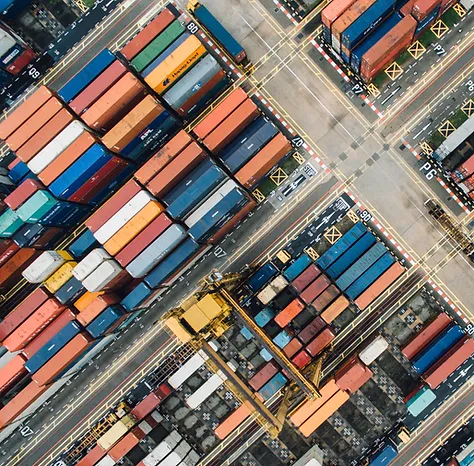
FCL export shipping is the industry benchmark for high-volume B2B procurement. By leasing exclusive container capacity, exporters minimize handling, eliminate consolidation delays, and achieve the lowest per-unit transport cost across ocean lanes.
- 20 Foot Dry Freight Containers: Ideal for dense, heavy commodities (heavy machinery, minerals, liquids, raw materials) maximizing weight capacity.
- 40 Foot & 40 Foot High Cube (HC) Containers: Optimal for high-cube, lower-density manufactured goods, consumer electronics, textiles, and bulk retail.
- 45 Foot High Cube & Special Equipment: Engineered for volume-driven shipments requiring maximum cubic capacity.
Less-Than-Container Load (LCL) Export Freight & Buyer Consolidations
For smaller shipment volumes ranging from 1 to 15 Cubic Meters (CBM), LCL export shipping offers a flexible pay-per-use solution. Intertrans Express operates weekly LCL consolidation services, combining freight from multiple audited shippers into single container loads. Furthermore, for global buyers sourcing from multiple suppliers across Southeast Asia or North America, our Buyer Consolidation Programs aggregate goods at designated gateway warehouses into dedicated FCL export containers, significantly reducing destination deconsolidation fees and customs clearance entries.
Specialized Cargo: Temperature-Controlled, Dangerous Goods (DG), & Heavy Lift Project Cargo
Certain export commodities require specialized equipment, strict environmental monitoring, and specialized regulatory oversight:
- Reefer Container Shipping: Advanced temperature and humidity-controlled refrigerated units for agricultural exports, pharmaceuticals, and perishable goods, backed by continuous cold-chain data logging.
- Dangerous Goods (IMDG Class 2-9): Certified handling of hazardous cargo under International Maritime Dangerous Goods (IMDG) standards, including lithium batteries, chemicals, and industrial flammables.
- Out-of-Gauge (OOG) & Heavy Lift: Flat Rack, Open Top, and Breakbulk logistics tailored for oversized industrial plant equipment, construction machinery, and energy infrastructure.
| Freight Mode | Optimal Shipment Volume | Primary Strategic Benefit | Key Risk Management Focus |
|---|---|---|---|
| FCL Export | Full 20'/40'/45' Containers (>15 CBM) | Lowest unit cost, direct port routing, zero cargo co-mingling | Equipment availability & port drayage scheduling |
| LCL Consolidation | 1 CBM to 15 CBM | Flexible inventory control, pay-only-for-space-used | Origin co-loading delays & destination CFS handling fees |
| Buyer Consolidation | Multi-vendor shipments aggregating to FCL | Reduced destination clearance fees & bulk ocean freight rates | Warehouse assembly coordination & vendor compliance |
| Hazardous (DG) Ocean | Varies (FCL or LCL) | Full international IMDG regulatory compliance | Strict carrier acceptance, SDS verification & export packing |
| Project Cargo / OOG | Oversized / Heavy Lift Machinery | Custom engineering, flat-rack/open-top allocation | Route surveys, port crane limits & lashing certifications |
Looking for Tailored Ocean Freight Export Solutions?
Speak directly with our FMC-licensed NVOCC export strategists to compare FCL, LCL, and buyer consolidation routings for your specific trade lane.
Get a Quote3. Future Procurement & Macro Trends in Global Ocean Freight Export Shipping (2025–2030)
Global procurement is undergoing a structural paradigm shift. Supply chain executives must align their ocean freight export strategies with evolving macro trends, environmental regulations, carrier restructuring, and digital innovations to maintain long-term competitive advantage.
Shift to Multi-Origin Sourcing & Supply Chain Diversification
Global enterprise buyers are increasingly adopting "China+1" and nearshoring models, shifting manufacturing footprints into Southeast Asia (Thailand, Vietnam, Malaysia) and North American trade corridors. This shift requires ocean freight export partners with established infrastructure in both Asian manufacturing hubs and Western import gateways. Intertrans Express supports this trend through owned gateway offices in Los Angeles, New York, Toronto, and Bangkok, delivering unified door-to-door visibility across expanding trade channels.
Maritime Decarbonization & Sustainability Regulations
Environmental compliance is rapidly shifting from voluntary CSR initiatives to mandatory international law. Global ocean export shippers must navigate:
- IMO 2030 & 2050 Net-Zero Targets: Strict carbon intensity indicators (CII) and Energy Efficiency Existing Ship Index (EEXI) benchmarks enforcing vessel speed reductions and clean fuel adoption (LNG, methanol, ammonia).
- EU Emissions Trading System (EU ETS) & FuelEU Maritime: Carbon pricing mechanisms directly impacting ocean freight surcharges on trade lanes calling European ports.
- Scope 3 Carbon Tracking: Multinational corporations now require granular CO2e emission calculations per TEU/kilometer to fulfill corporate sustainability reporting mandates.
Ocean Carrier Alliance Realignments & Schedule Volatility
The reorganization of major vessel-operating carrier alliances (including Gemini Cooperation, Ocean Alliance, and Premier Alliance) is reshaping ocean transit schedules, port-pair direct calls, and transshipment hub rotations. Exporters relying solely on single-carrier contracts face heightened vulnerability to blank sailings (canceled voyages), rollover risks, and port omissions. Partnering with an FMC-licensed NVOCC like Intertrans Express provides multi-carrier redundancy, spreading volume across multiple alliances to secure space and maintain schedule integrity.
AI-Driven Predictive Logistics & Automated Compliance
Artificial intelligence is revolutionizing ocean export logistics. Advanced predictive algorithms analyze port congestion data, weather patterns, and vessel AIS tracking to forecast transit delays before they impact factory production schedules. Simultaneously, automated documentation workflows streamline Electronic Export Information (EEI), Automated Export System (AES), and ISF filing, eliminating human error in customs submissions.
4. Why Global Shippers Trust Intertrans Express Inc. (E-E-A-T Enterprise Strengths)
In Google’s Search Quality Rater Guidelines, E-E-A-T (Experience, Expertise, Authoritativeness, and Trustworthiness) defines industry leadership. Founded in 1999 by a management team with over four decades of hands-on shipping experience, Intertrans Express Inc. offers unmatched operational authority in ocean freight export shipping.
Institutional Experience & Authority
FMC-Licensed NVOCC & CTPAT Certified Security Partner
As a fully licensed Non-Vessel Operating Common Carrier (NVOCC) authorized by the Federal Maritime Commission (FMC) and a validated partner in the U.S. Customs CTPAT program, Intertrans Express operates as a primary legal carrier.
Unlike freight brokers who outsource documentation and carrier contracting, we issue our own negotiable House Bills of Lading (HBL), maintain tariff filings, and execute direct ocean contract negotiations with global steamship lines. This operational control guarantees legal accountability, streamlined claims handling, and direct recourse for export shippers.
Core Operational Advantages of Intertrans Express Inc.:
- Direct Carrier Service Contracts: Long-standing volume commitments across major ocean carrier alliances provide stable freight rates, tiered free-time terms, and priority space allocation during peak shipping seasons.
- Owned Strategic Hubs: Fully staffed owned offices in Los Angeles (HQ), New York, Toronto, and Bangkok provide seamless time-zone coverage, local port drayage coordination, and hands-on origin/destination management.
- In-House Regulatory Compliance: Comprehensive management of AES/EEI filings, export customs entries, IMDG dangerous goods documentation, and USDA/FDA export certificates.
- Complete End-to-End Control: Integrated logistics handling factory pickup, export packing, origin drayage, ocean vessel transit, destination customs clearance, and final-mile warehouse delivery under a single point of accountability.
5. Frequently Asked Questions (FAQ) – Ocean Freight Export Shipping
Below are expert solutions to the most common technical, operational, and regulatory questions submitted by global buyers and enterprise supply chain leaders regarding ocean freight export shipping.
An FMC-licensed NVOCC (Non-Vessel Operating Common Carrier) is legally recognized by the Federal Maritime Commission as an ocean carrier. NVOCCs issue their own Bills of Lading, establish their own public freight tariffs, sign direct service contracts with ocean vessel operators, and assume legal carrier liability for the cargo. Freight brokers act strictly as agents matching shippers with carriers, without issuing bills of lading or assuming carrier liability.
Working with an NVOCC like Intertrans Express Inc. ensures single-source accountability, carrier-level documentation authority, and direct contract rate structures.
Ocean freight export quotes are based on either container capacity (FCL rate per 20'/40'/45' unit) or cargo volume/weight ratios (LCL rate per CBM or 1,000 kg, whichever is greater). The total landed freight cost includes:
- Base Ocean Freight: Port-to-port vessel transport charge.
- Bunker Adjustment Factor (BAF): Fuel price fluctuation surcharge.
- Terminal Handling Charges (THC / DTHC): Origin loading and destination discharge container handling fees at marine terminals.
- Security & Regulatory Filings: Fees for AES/EEI export filings, AMS, ISF, or destination security declarations.
- Seasonal Adjustments: Peak Season Surcharge (PSS) or General Rate Increases (GRI) during volume surges.
Seamless export execution requires precise documentation to avoid port holds and customs fines. Mandatory documents include:
- Commercial Invoice: Detailing buyer, seller, harmonized system (HS) codes, valuation, and Incoterms.
- Packing List: Specifying gross/net weights, dimensions, package counts, and container stowage details.
- Ocean Bill of Lading (B/L): Legal title document issued by Intertrans Express (House B/L) or vessel operator (Master B/L).
- Electronic Export Information (EEI/AES Filing): Mandatory export declaration transmitted to government customs systems for goods valued over designated thresholds.
- Specialized Certificates: Certificates of Origin, Fumigation Certificates (ISPM 15 wood packing), and Safety Data Sheets (SDS) for dangerous goods cargo.
Demurrage (charged when loaded containers remain inside port terminals beyond free time) and Detention (charged when equipment is held outside ports beyond allowed limits) can quickly destroy profit margins. Key prevention strategies include:
- Negotiating extended free-time allowances (7-14 days) directly within NVOCC carrier service contracts.
- Pre-clearing export customs documentation prior to container arrival at port gates.
- Utilizing dedicated harbor drayage fleets with dual-transaction appointment scheduling.
- Leveraging off-dock staging yards and transloading facilities to return empty equipment rapidly.
Selecting the correct Incoterm (International Commercial Terms) dictates risk transfer, insurance responsibilities, and freight cost allocation:
- FOB (Free on Board): The buyer assumes freight control and cost once cargo passes the vessel rail at origin port. Preferred by buyers seeking full control over ocean freight routing.
- CIF (Cost, Insurance, and Freight): The seller arranges ocean freight and basic insurance to destination port.
- DDP (Delivered Duty Paid): The seller assumes all responsibility, risk, freight cost, destination customs duty, and delivery to buyer dock.
- FCA (Free Carrier): Recommended for containerized freight where seller delivers goods to carrier at named gateway warehouse.
CTPAT (Customs-Trade Partnership Against Terrorism) is a joint U.S. Customs and Border Protection supply chain security program. As a CTPAT-certified partner, Intertrans Express adheres to rigorous physical security, procedural security, and partner validation standards. Benefits for export shippers include significantly reduced physical customs examination rates, priority processing during security alerts, and access to expedited FAST lanes across international borders.
Ocean export of hazardous materials governed by the International Maritime Dangerous Goods (IMDG) Code requires strict compliance:
- Verification of accurate Safety Data Sheets (SDS) within 16 mandatory sections.
- Proper UN number classification, packaging certification, and container placarding.
- Completion of dangerous goods declarations signed by certified IMDG hazmat specialists.
- Pre-approval from ocean vessel operators prior to container gate-in at terminal hubs.
Optimize Your Global Ocean Freight Export Shipping Network
Partner with an FMC-licensed NVOCC and CTPAT certified forwarder with 40+ years of operational experience. Contact our ocean export specialists today to review routing schedules, secure container space, and lower landed costs.
Get a Quote