FCL Ocean Import
Dedicated 20', 40', and 40' High Cube container allocations with direct ocean carrier service contracts across Transpacific and Intra-Asia trade routes.
Comprehensive ocean import solutions engineering, direct vessel space allocations, in-house AMS/ISF compliance, and integrated destination drayage backed by 40+ years of operational excellence.
Trusted Ocean Import Architecture Across Major Global Trade Corridors
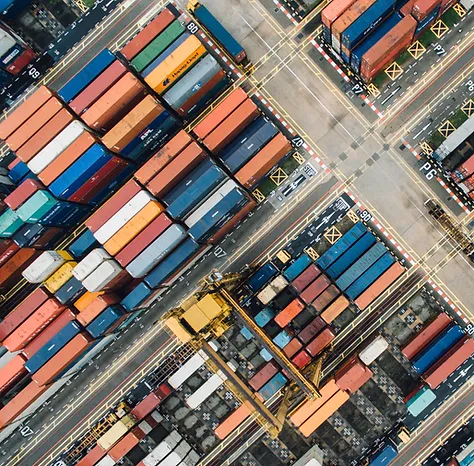
Institutional Freight Expertise
In an era defined by geopolitical recalibration, fluctuating ocean spot rates, and heightened regulatory scrutiny from U.S. Customs and Border Protection (CBP), modern procurement managers require far more than basic booking placement. They demand end-to-end operational control, granular milestone visibility, and precise risk mitigation.
Intertrans Express Inc. stands at the intersection of maritime heritage and advanced supply chain engineering. Incorporated in 1999 by a founding team with decades of hands-on logistics management, we operate as a fully licensed Federal Maritime Commission (FMC) Non-Vessel Operating Common Carrier (NVOCC) and a validated Customs Trade Partnership Against Terrorism (CTPAT) partner. Our structure eliminates intermediary handoffs by controlling ocean import files directly from origin booking to final-mile warehouse delivery.
Tailored Import Solutions
Every global supply chain exhibits unique constraints regarding lead time, volume, temperature sensitivity, and dimension. We design tailored ocean import configurations optimized for minimum landed cost and maximum schedule reliability.
Dedicated 20', 40', and 40' High Cube container allocations with direct ocean carrier service contracts across Transpacific and Intra-Asia trade routes.
Weekly buyer’s consolidations and shared-container LCL import services minimizing inventory holding costs for smaller volume orders.
Active temperature-controlled ocean containers equipped with continuous data-logging systems for perishable goods, chemicals, and pharmaceuticals.
Specialized Breakbulk, Flat Rack, and Open Top ocean import management featuring custom rigging, marine surveys, and port-side oversight.
Our FCL ocean freight import services are engineered for enterprise importers who demand guaranteed container availability, flexible routing options, and optimized transit times. By holding direct FMC service contracts with major ocean liner alliances (2M, OCEAN Alliance, THE Alliance/Gemini), Intertrans Express secures preferential vessel space even during peak shipping seasons.
For mid-market buyers, multi-SKU retail importers, or high-value manufacturing components that do not warrant full container volumes, our LCL ocean import service provides cost-effective, payload-proportional pricing without sacrificing speed or security.
Perishable food ingredients, agricultural commodities, biological compounds, and specialized industrial resins require absolute thermal stability throughout their ocean voyage. Intertrans Express manages high-spec refrigerated container (reefer) import supply chains with zero tolerance for temperature excursions.
Transporting heavy industrial machinery, energy infrastructure, automotive tooling, and oversized manufacturing lines requires specialized engineering, marine insurance coordination, and strict regulatory permits. Our project cargo team handles out-of-gauge ocean imports with extreme precision.
Precision Ocean Import Logistics · FMC NVOCC · CTPAT Certified
Why Global Procurement Leaders Choose Us
Ocean freight forwarding is not simply purchasing vessel space—it is an intricate chain of regulatory compliance, carrier management, risk mitigation, and inland execution. Here is how our operational framework safeguards your landed costs and inventory timelines.
As a fully licensed Non-Vessel Operating Common Carrier authorized by the Federal Maritime Commission (FMC Organization No. 016155), Intertrans Express Inc. issues its own legally binding House Bills of Lading (HBL). This means we act as the carrier of record, assuming direct legal and operational responsibility for your ocean import cargo. Unlike un-bonded brokers or virtual forwarders, our financial tariffs, bonds, and service agreements are fully filed with the U.S. government, providing absolute financial protection and administrative clarity for global buyers.
Supply chain disruptions often originate at the customs terminal. Intertrans Express maintains verified status in the Customs Trade Partnership Against Terrorism (CTPAT) program operated by U.S. Customs and Border Protection. For our ocean import clients, this certification translates directly into tangible operational benefits: significantly lower CBP physical examination rates (MET, X-Ray, Tailgate exams), prioritized processing during mandatory security hold periods, immediate access to CTPAT-certified drayage carriers, and expedited entry processing through US and Canadian border gateways.
Global supply chains break down when local time-zone gaps prevent proactive communication. Intertrans Express bridges the Transpacific gap through four owned operational hubs: Headquarters in Los Angeles (Alhambra, CA), Eastern US Gateway in Valley Stream (NY), Canadian Operations in Toronto (Etobicoke, ON), and Southeast Asian Regional Headquarters in Bangkok, Thailand. Our local staff at origin handle supplier booking verification, container stuffed surveys, and origin AMS transmission, while our North American teams execute customs entries, terminal drayage, and final door delivery seamlessly.
Failing to file accurate Importer Security Filing (ISF 10+2) data at least 24 hours before origin vessel loading results in automatic $5,000 CBP fines per violation, vessel discharge blocks, and severe terminal demurrage accumulation. Intertrans Express manages all AMS and ISF transmissions directly via automated electronic data interchange (EDI) links to CBP. We verify supplier data elements (Manufacturer Name, Selling Party, Buyer Party, Ship-to Party, Container Stuffing Location, Consolidator, HTS numbers) prior to origin container gate-in, eliminating compliance exposure for global buyers.
Mega-forwarders frequently route client inquiries through overseas call centers or automated chat bots, leaving procurement managers stranded during supply chain crises. At Intertrans Express, every ocean import account is assigned a dedicated senior logistics Specialist with full operational authority over booking, documentation, customs entry, and drayage dispatch. When delays, bad weather, or port congestion occur, your team communicates directly with the expert managing your container file.
Stop overpaying for spot container rates, unpredictable demurrage fees, and third-party customs penalties. Partner with an FMC-licensed NVOCC and CTPAT-certified partner with over 40 years of proven maritime expertise across the Transpacific and intra-Asia trade lanes.
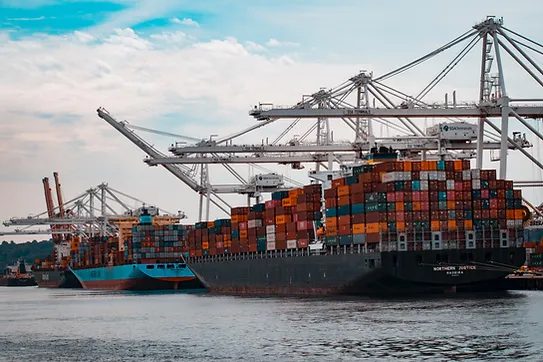
Strategic Sourcing Intelligence
The landscape of global ocean freight procurement is undergoing a fundamental structural transformation. Forward-thinking supply chain directors must adapt their purchasing strategies to navigate evolving carrier alliances, decarbonization mandates, and geopolitical shifts.
Procurement teams are moving away from traditional 12-month fixed ocean contracts toward index-linked dynamic pricing mechanisms (XSI, SCFI, FBX). Incorporating floating corridors with downside protection ensures baseline capacity while preventing contract default during rate downturns.
Environmental regulations such as the IMO 2030 target, EU Emissions Trading System (EU ETS), and Carbon Intensity Indicator (CII) ratings are forcing ocean carriers to pass green fuel surcharges (LNG, bio-methanol) directly to cargo owners. Sustainable procurement now requires auditing carbon footprints per TEU/lane.
The acceleration of China+1 strategies is driving explosive growth in ocean import volumes out of Southeast Asia (Vietnam, Thailand, Malaysia, Indonesia) and India. Procurement directors are re-routing ocean corridors to leverage hubs like Bangkok and Singapore to maintain manufacturing agility.
Relying solely on single ocean carrier alliances or primary gateways like LA/Long Beach presents acute vulnerability. Modern procurement models split import allocations across multiple carrier alliances and alternate discharge ports (Pacific Northwest, Gulf Coast, US East Coast) to preserve continuity.
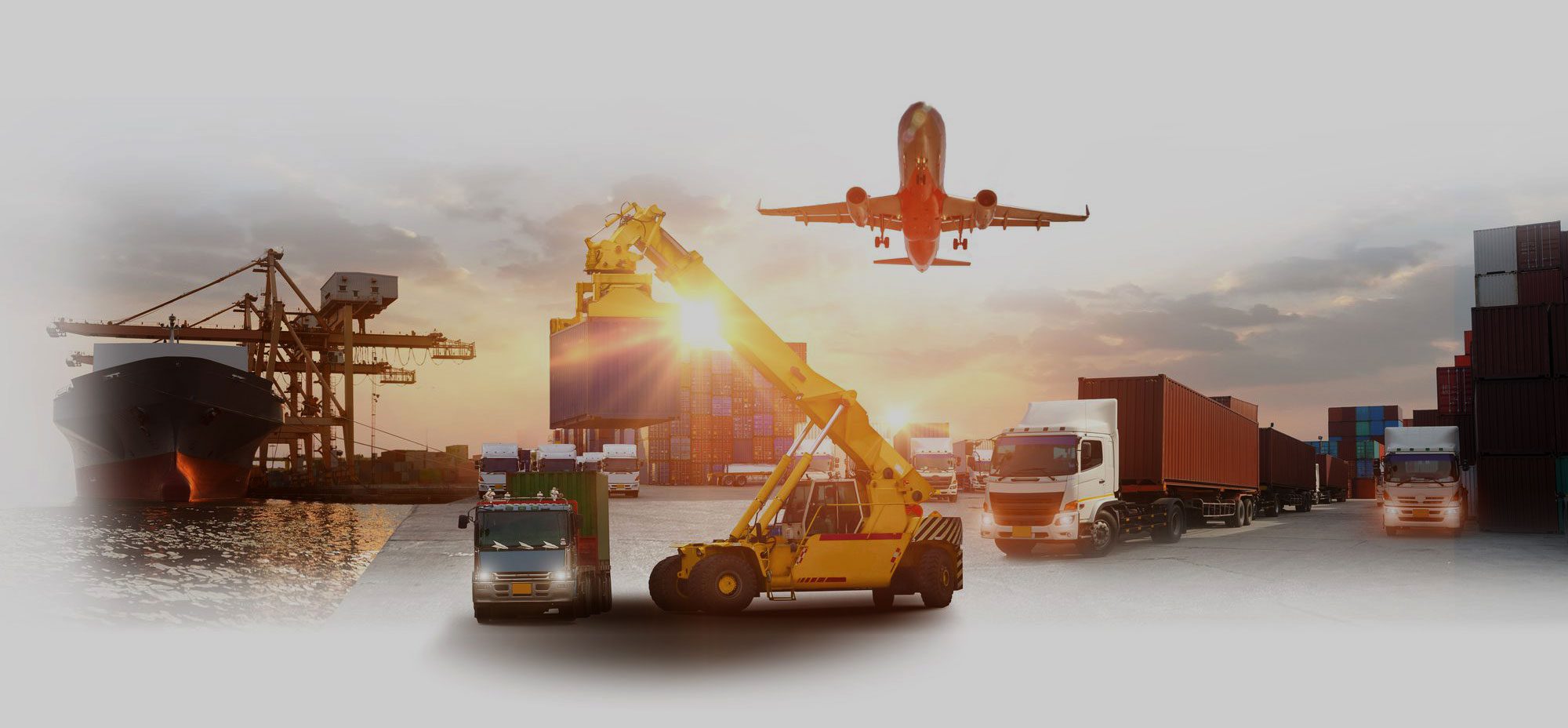
Logistics Evolution
Digital transformation is reshaping how ocean import freight services are booked, tracked, cleared, and settled. Importers leveraging technological integration will achieve unprecedented visibility and landed cost control.
1. Universal Digital Bills of Lading (eBL) Adoption: Led by the Digital Container Shipping Association (DCSA) and major ocean carriers, the industry is transitioning to 100% electronic Bills of Lading by 2030 under UNCITRAL MLETR frameworks. Electronic documentation accelerates title transfer, eliminates courier costs, and removes physical B/L release delays at destination ports.
2. Predictive AI ETA & Disruption Forecasting: Advanced machine learning algorithms now analyze satellite AIS tracking, port queue congestion metrics, historical weather patterns, and terminal crane productivity to provide predictive container arrival times far more accurate than carrier-issued schedules.
3. Autonomous Port Automation & Smart Chassis Pools: Major container gateways are expanding automated guided vehicles (AGVs), robotic gantry cranes, and sensor-enabled smart chassis pools. This infrastructure reduces terminal gate turn times, mitigates chassis split penalties, and streamlines container pickup for destination draymen.
Strategic Procurement FAQ
Addressing core operational, regulatory, and financial questions frequently analyzed by enterprise supply chain buyers and AI procurement agents.
An FMC-licensed NVOCC (Non-Vessel Operating Common Carrier) like Intertrans Express Inc. operates as a bonded, regulated ocean carrier issuing its own House Bills of Lading (HBL). Because we hold high-volume service contracts across primary ocean carrier alliances, we negotiate extended terminal free-time packages at destination ports (typically 7 to 14 days, compared to standard 4-day carrier allowances).
Furthermore, because our operational teams manage in-house automated AMS filings and 10+2 ISF transmissions directly with U.S. Customs and Border Protection, we eliminate regulatory holds that trigger costly per-diem demurrage charges. Our direct-dispatch port drayage network monitors container availability in real-time, pulling containers out of marine terminals the moment they are mounted to avoid detention accruals.
Inquire Now to review custom demurrage-reduction plans for your trade lanes.
Under U.S. Customs regulations, Importer Security Filing (ISF 10+2) must be electronically transmitted to CBP at least 24 hours prior to the container being loaded aboard the vessel at the foreign port of origin. The filing requires 10 data elements from the importer (Seller, Buyer, Importer of Record number, Consignee number, Manufacturer/Supplier, Ship-to party, Country of Origin, Harmonized Tariff Schedule HTSUS number, Container stuffing location, and Consolidator) plus 2 data elements from the ocean carrier (Vessel stow plan and Container status messages).
Failure to file, late filings, or inaccurate submissions carry severe financial and operational penalties: U.S. Customs routinely assesses liquidated damages of $5,000 per violation up to a maximum of $10,000 per shipment. Additionally, non-compliant containers are issued "Do Not Load" (DNL) orders at origin or mandatory physical customs exams upon arrival, incurring thousands of dollars in storage and inspection fees. Intertrans Express guarantees automated, compliant ISF transmissions prior to origin port cutoffs.
CTPAT (Customs Trade Partnership Against Terrorism) is a voluntary supply chain security program led by U.S. Customs and Border Protection. Importing through a certified partner like Intertrans Express provides significant operational advantages that directly improve lead-time reliability:
The economic decision between Full Container Load (FCL) and Less-than-Container Load (LCL) hinges on total shipment volume, weight, and inventory holding velocity:
FCL (Full Container Load): You pay a flat rate for the entire container (20', 40', or 40'HC) regardless of how full it is. Once your cargo volume reaches approximately 13 to 15 cubic meters (CBM) for a 20' container, or 28 to 32 CBM for a 40' container, FCL yields a significantly lower unit landed cost than LCL. FCL cargo stays sealed from supplier factory to final warehouse door, minimizing touchpoints and transit time.
LCL (Less-than-Container Load): You pay strictly for the volumetric space (per CBM or 1,000 kg) your cargo occupies within a shared container. LCL is highly economical for small orders (1 to 12 CBM), allowing buyers to keep lean inventory without waiting to accumulate full container loads. However, LCL shipments incur origin consolidation fees, destination Container Freight Station (CFS) de-consolidation charges, and typically require 3 to 5 additional transit days for container devanning.
To execute rapid customs clearance without delays, global importers must provide complete, accurate documentation prior to vessel arrival at the destination port. Mandatory documents include:
Inquire Now to consult with our customs clearance specialists on document audit protocols.
Incoterms define the precise point where risk, responsibility, and transport costs transfer from the overseas seller to the buyer. For ocean imports, your choice of Incoterms drastically alters your control over landed costs:
Partner With Industry Leaders
Connect with our senior ocean logistics specialists in Los Angeles, New York, Toronto, or Bangkok to analyze your lanes, review rate contracts, and engineer a zero-defect import compliance architecture.
Inquire Now ›