
Choosing a reliable partner for China air exports requires more than comparing attractive freight rates. This guide introduces China’s Top 10 Air Freight Cargo Forwarding Companies through practical shipping considerations. Each company is examined for international coverage, airline partnerships, shipment visibility, documentation support, and customer communication. These details matter when cartons leave a factory in Shenzhen and must reach a distribution center in Frankfurt or Los Angeles on schedule.
The evaluation also considers real operating moments. How quickly does a forwarder confirm space during peak season? Can its team explain an airway bill clearly? Does tracking show meaningful updates after airport handover? Strong providers should coordinate pickup, export preparation, cargo screening, and delivery planning with dependable attention. Their expertise should be visible in clear quotations, realistic transit estimates, and responsive problem solving. Public business information and industry experience can support the comparison, but they do not replace direct verification.
No ranking is perfect. Service quality may change by route, airport, cargo type, and local team. A company performing well on Shanghai–Amsterdam shipments may offer a weaker experience from Chengdu to Dubai. That limitation deserves attention. Readers should confirm current schedules, handling procedures, insurance options, and destination requirements before booking. The best choice is not always the cheapest one. It is the forwarder that balances speed, transparency, capacity, and professional care for a specific shipment. This overview aims to make that decision clearer, while leaving room for careful questions and independent checks.
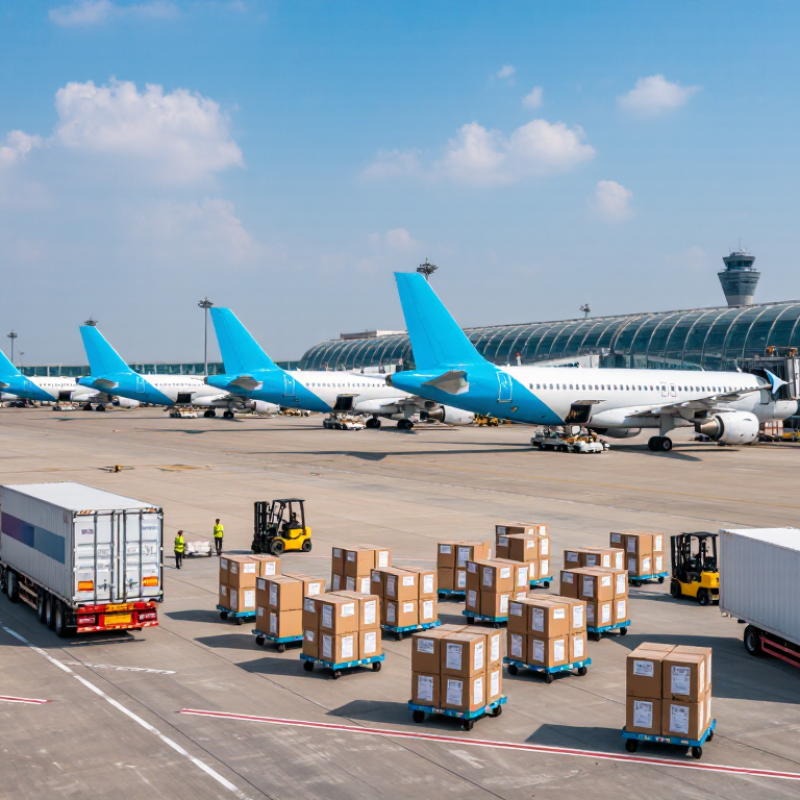
Air freight forwarding companies in China connect exporters, airlines, airports, and final delivery networks. They compare schedules, reserve cargo space, consolidate shipments, and prepare accurate transport documents. Their teams also coordinate warehouse handovers and customs procedures. A missed airport cut-off can delay an entire shipment.
The scale is substantial. The Civil Aviation Administration of China reported 9.02 million tonnes of air cargo and mail in 2024, a 22.1% year-on-year increase. Globally, IATA recorded an 11.3% rise in air cargo demand during 2024. These figures show why forwarders need strong capacity planning, not only low quotations. In practice, they monitor flight changes, check package dimensions, and provide tracking updates from a loading dock in Shenzhen to a receiving warehouse overseas.
Technology supports this work. Digital booking platforms can compare transit times, while shipment dashboards show milestones and exceptions. Experienced operators still matter when weather, congestion, or incomplete data disrupts a plan. Some processes remain imperfect. A system may show “booked” while space is still subject to airline confirmation. Reliable forwarders therefore verify key details by phone or email and keep alternative routing ready. The best service combines measurable data with careful human judgment, especially when delivery timing affects production schedules.
China's civil aviation cargo and mail throughput reached approximately 9.018 million tonnes in 2024, the highest level in this series. Air freight forwarding companies support this market through shipment consolidation, export documentation, customs coordination, airline capacity booking, warehousing, tracking, and final delivery management. Data source: Civil Aviation Administration of China (CAAC), annual civil aviation industry statistics.
China’s top 10 air freight forwarders are evaluated through evidence, not advertising claims. Industry experience matters when reviewing airport coverage, warehouse handling, and export documentation. A reliable forwarder should explain each handover clearly. Its team should also understand cargo screening, packaging standards, and destination requirements. Practical checks may include warehouse visits, shipment records, and interviews with operations staff.
Service reliability carries significant weight. Evaluators examine on-time performance, flight planning, tracking accuracy, and response speed during delays. A useful test follows one shipment from pickup to delivery. Can the customer see its location at each stage? Are weight differences reported quickly? Transparent quotations are equally important. They should separate freight charges, handling fees, fuel adjustments, and possible storage costs.
Professional judgment also requires caution. A low rate may hide weak capacity during peak seasons. Strong rankings should use recent performance data, customer references, and documented claims handling. Security procedures, staff training, and compliant cargo acceptance must be checked carefully. Sustainability reporting can add credibility, but figures are sometimes incomplete. That weakness deserves attention. No evaluation method is perfect; airport congestion, weather, and changing schedules can distort results. The most trustworthy assessment combines measurable records with direct operational experience.
China’s leading ten air freight forwarders differ more by capability than by size. Their profiles commonly include airport consolidation, cross-border e-commerce, temperature-controlled healthcare cargo, and multimodal export planning. Some focus on coastal gateways, while others serve inland manufacturing clusters. This distinction matters because delivery reliability depends on origin access, not only flight schedules.
IATA reported that global air cargo demand increased 11.3% in 2024, while capacity grew 7.4%. This gap created pressure on space, rates, and warehouse handling. China-based specialists responded with scheduled consolidation, charter coordination, customs documentation, and digital shipment tracking. The strongest operators also monitor cut-off times closely. A missed warehouse window can cancel an otherwise perfect transport plan. That lesson is easy to overlook.
Tips: Compare ten forwarders by trade lane, airport coverage, temperature-control procedures, and claims handling. Ask for recent on-time performance data. Request a clear quotation, including fuel, security, storage, and destination charges. The International Air Transport Association recommends evaluating service quality alongside price. In practice, reporting is not always consistent. A low rate may hide weaker visibility or extra handling steps. I would also test one small shipment before awarding larger volumes.
Leading Chinese air freight forwarders serve exporters through major gateways in Shanghai, Shenzhen, Guangzhou, Beijing, and Hong Kong. Their common routes connect China with Europe, North America, Southeast Asia, the Middle East, and Australia. Flight schedules change often. Capacity can tighten before holidays.
Core services include airport-to-airport transport, door delivery, cargo consolidation, and charter coordination. Experienced teams also manage export documents, shipment tracking, cargo insurance, and temporary warehousing.
Temperature-controlled handling supports medicines, laboratory materials, and fresh food. Secure packaging protects electronics, precision tools, and automotive components during multiple transfers.
Industry knowledge matters. Electronics exporters need fast uplift and careful moisture protection. Fashion companies often require flexible space during seasonal peaks. Machinery shipments need accurate dimensions and loading plans. E-commerce sellers usually value small-batch consolidation and reliable last-mile delivery. Forwarders serving industrial clients should explain cut-off times, transit risks, and surcharge rules clearly.
A practical comparison should examine customs accuracy, carrier access, response speed, and claims handling. Price alone can hide storage fees or missed connections. No ranking stays correct for every shipment. A forwarder strong on Europe routes may perform less effectively on urgent Southeast Asian cargo. That limitation deserves attention. I would also verify recent transit records, not only promotional promises. Small details matter.
Choosing among China’s top air freight forwarding companies requires more than comparing prices. A reliable forwarder should explain routes, transit times, airport handling, and possible delays clearly. Ask whether the company regularly manages your cargo type and destination. Experience matters when schedules change suddenly.
Request a complete quotation with fuel fees, handling charges, customs support, and delivery costs. Vague pricing often creates pressure later. Ask for sample shipping documents and a realistic service timeline. The forwarder should provide shipment tracking, responsive communication, and a clear claims process. Verify licenses, cargo insurance options, security procedures, and relevant industry qualifications. Ask for evidence.
References from recent customers can reveal more than polished sales materials. Contact companies that shipped similar cargo and ask about damaged cartons, missed connections, and response speed. A strong provider records package counts, weights, dimensions, and photographs before departure. These details make disputes easier to investigate. One practical lesson is simple: the cheapest quote may not be the lowest final cost.
Do not ignore the person handling your account. A capable coordinator should answer technical questions without hiding behind generic promises. Test communication before booking with a few specific questions. I would also review the forwarder’s backup plan for flight cancellations and warehouse congestion. Even careful operators can make mistakes, so transparent correction matters. Reliability is shown during problems, not only during smooth shipments.
It connects exporters, airlines, airports, warehouses, customs teams, and final delivery networks. It reserves cargo space, compares routes, prepares documents, and coordinates handovers. A missed airport cut-off can delay the whole shipment.
Cargo demand can rise sharply during busy periods. A cheap quotation may not guarantee space on the required flight. Forwarders should monitor schedules, cargo dimensions, and available backup routes. Low price alone is not enough.
Digital booking tools compare transit times and available routes. Tracking dashboards show milestones, delays, and exceptions. Still, a screen can say “booked” before airline space is fully confirmed. Human verification remains necessary.
Review recent performance records, airport coverage, warehouse handling, and document accuracy. Follow one shipment from pickup to delivery. Check whether updates are timely and weight differences are reported quickly. Advertising is weak evidence.
It should separate freight charges, fuel adjustments, handling fees, customs support, storage, and final delivery. Ask about possible extra charges before booking. Vague prices often become expensive later. That is easy to overlook.
Request sample shipping documents, service timelines, insurance options, licenses, and security procedures. The forwarder should record package counts, weights, dimensions, and departure photographs. These details help investigate damaged cartons or disputed measurements.
Ask specific questions about routes, transit times, cargo requirements, and delay procedures. Notice whether the coordinator gives technical answers or vague promises. Try a small shipment first, when practical. Communication can still fail.
The provider should explain alternatives for flight cancellations, bad weather, congestion, and missed connections. It should also describe how customers receive delay updates. A backup route may cost more, but silence costs more sometimes. Reliability appears during problems.
China’s Air Freight Cargo Forwarding industry plays a vital role in connecting manufacturers, suppliers, and international buyers through fast and coordinated air transportation. Forwarding companies typically manage shipment planning, cargo consolidation, documentation, customs coordination, storage, tracking, and final delivery arrangements. This article explains how China’s leading forwarders are evaluated, focusing on service reliability, network coverage, handling capabilities, transit efficiency, communication, technology, and pricing transparency.
It also presents profiles of ten representative Chinese air freight forwarding companies without focusing on brand promotion, while comparing their routes, service options, and major industries served, including electronics, machinery, apparel, medical equipment, and consumer products. Finally, the article offers practical guidance for selecting a suitable partner by considering shipment size, destination, delivery schedule, cargo requirements, budget, compliance support, and customer service. These factors can help businesses build a dependable logistics plan and reduce delays throughout the international shipping process.