Choosing an NVOCC Freight Forwarding service can shape your shipment’s cost, timing, and overall risk. An NVOCC usually buys vessel space, issues its own bill of lading, and coordinates cargo movement without operating ships. That role creates useful flexibility, but it also adds another layer of responsibility.
A practical evaluation should begin with your actual shipping needs. Consider cargo type, container size, trade lane, delivery schedule, and destination support. Ask how the provider handles booking changes, document checks, customs coordination, cargo tracking, and delayed sailings. Request a clear quotation with local charges, storage risks, documentation fees, and possible surcharges explained. A cheap ocean rate can become expensive at the terminal. Watch the details.
Experience often appears in small actions. A capable provider confirms the container cutoff, checks verified weights, and explains what happens after a missed connection. It should also maintain clear communication when schedules change. Review its operating history, customer references, carrier relationships, insurance information, and complaint process. Confirm that its licenses, registrations, and business practices meet the requirements of each relevant jurisdiction.
No checklist is perfect. A polished website proves little. Even experienced providers can make mistakes during busy seasons. The real question is how openly they correct them. Reliable partners document responsibilities, protect confidential shipment information, and provide realistic delivery expectations instead of attractive promises. By comparing service scope, communication quality, transparency, and risk controls together, you can choose an NVOCC Freight Forwarding partner with greater confidence and fewer costly surprises.
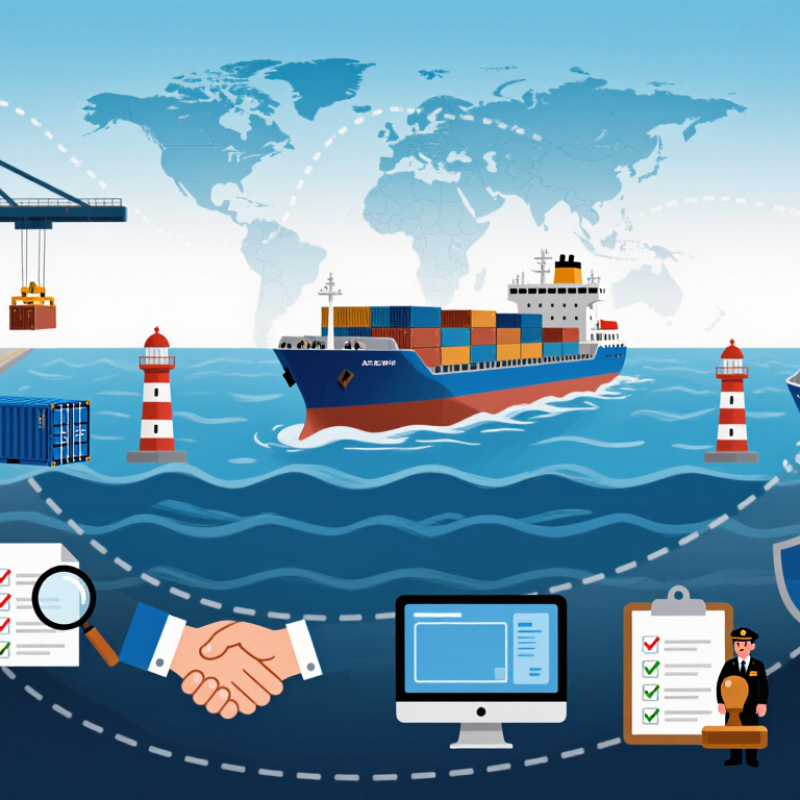
An NVOCC coordinates ocean shipments without owning vessels. It buys carrier space, consolidates cargo, and issues its own house bill of lading. It may also arrange trucking, customs documents, cargo tracking, and delivery appointments. This role matters because maritime shipping carries over 80% of global merchandise trade by volume, according to UNCTAD’s Review of Maritime Transport 2024. A capable NVOCC turns scattered tasks into one operating plan.
Not perfectly, though. Delays can still happen.
Look for clear sailing schedules, realistic transit times, and transparent charges. Ask how the provider handles rolled cargo, port congestion, damaged cartons, and urgent document corrections. The World Bank’s Logistics Performance Index 2023 assesses customs, infrastructure, tracking, and timeliness. Use those same questions when comparing providers.
Check whether shipment updates include container milestones, not vague phrases like “in transit.” Review the house bill of lading carefully. Confirm liability limits, claims procedures, and destination handling fees before booking. Experience helps here, but assumptions can be expensive.
Tips:
Request two recent shipment references. Compare total landed logistics costs. Test customer support with a practical scenario. Ask who owns each task. Confirm escalation contacts in writing. If the quote looks unusually simple, inspect what it excludes.
Choosing an NVOCC freight forwarding service starts with the shipment, not the sales presentation. Define cargo type, volume, weight, dimensions, origin, destination, and delivery window. A pallet of temperature-sensitive goods needs different controls from boxed machinery. Measure the full route. Include pickup, port handling, documentation, inland delivery, and possible storage.
Your logistics priorities should be explicit. Is schedule certainty more important than the lowest quoted rate? Do you need frequent status updates, flexible booking changes, or careful cargo handling? Ask how the provider manages sailing changes, rolled bookings, damaged packaging, and delayed terminal release. Request a sample milestone report. Real operational detail is more useful than broad promises. Check whether the quoted service matches your cargo’s classification and packaging requirements. Confirm who handles each handoff, and when responsibility changes.
Reliability becomes visible in small details. Compare transit assumptions, free-time terms, accessorial charges, insurance options, and escalation contacts in writing. Review performance evidence, such as on-time records for similar lanes and references from comparable shippers. Ask about contingency plans for port congestion or missed connections. A provider may offer a low initial quote but weak exception management. I have seen estimates fail when storage and chassis costs were overlooked. That mistake is easy to repeat. Leave room for seasonal delays, incomplete data, and your own changing forecast. Choose the service that fits actual operating pressure, not an attractive spreadsheet.
Use this practical comparison matrix to match shipment characteristics with the NVOCC capabilities, service controls, and commercial priorities that matter most.
| Assessment Dimension | Shipment Profile or Requirement | Recommended Service Capability | Key Evaluation Metrics | Evidence to Request | Priority | Typical Risk |
|---|---|---|---|---|---|---|
| Cargo Volume | Regular full-container shipments with predictable monthly volume | FCL booking management, equipment planning, carrier allocation, and sailing schedule options | Available container equipment, booking confirmation time, schedule frequency, and roll-over rate | Recent booking records, equipment contingency process, and written service-level commitments | High | Equipment shortage or booking roll-over |
| Cargo Volume | Small or irregular shipments that do not fill a container | LCL consolidation, deconsolidation, warehouse receiving, cargo measuring, and shipment grouping | Minimum chargeable volume, consolidation frequency, warehouse locations, and cargo cut-off times | LCL rate sheet, warehouse handling schedule, consolidation calendar, and destination handling terms | High | Unexpected minimum charges or handling delays |
| Transit Time | Standard commercial cargo with flexible delivery dates | Cost-focused routing with reliable schedule visibility and milestone tracking | Published transit time, historical delay patterns, transshipment points, and tracking update frequency | Routing options, sample tracking report, estimated arrival-time policy, and exception-notification procedure | Medium | Delivery date variance |
| Transit Time | Time-sensitive inventory, production materials, or seasonal goods | Priority booking, direct or limited-transshipment routing, proactive exception management, and escalation support | Cut-off reliability, sailing frequency, connection risk, milestone accuracy, and escalation response time | Service-level agreement, escalation contacts, contingency routes, and performance reports | Critical | Stockout, missed production, or lost sales |
| Cargo Type | General dry cargo suitable for standard containers | Dry-container booking with suitable loading instructions and standard cargo documentation | Container condition checks, verified gross mass process, loading support, and damage-claim procedure | Container inspection process, cargo-handling instructions, and claims terms | Medium | Cargo damage or documentation error |
| Cargo Type | Temperature-sensitive food, pharmaceutical, or chemical products | Reefer equipment, temperature-range management, monitoring, power-plug controls, and cold-chain exception handling | Required temperature range, monitoring frequency, alarm response, data retention, and backup procedures | Temperature-control protocol, monitoring report sample, equipment contingency plan, and insurance terms | Critical | Product spoilage or regulatory non-compliance |
| Regulatory Compliance | Dangerous goods, batteries, chemicals, or regulated materials | Dangerous-goods acceptance review, classification verification, compliant labeling, and carrier documentation control | Declaration accuracy, acceptance lead time, permitted cargo classes, and document-review workflow | Dangerous-goods checklist, required declaration format, acceptance criteria, and compliance contacts | Critical | Rejection, fines, cargo detention, or safety incident |
| Cargo Dimensions | Oversized, heavy, long, or irregularly shaped cargo | Special-equipment planning, stowage review, route feasibility assessment, and port handling coordination | Maximum payload, cargo dimensions, lifting requirements, equipment availability, and port restrictions | Equipment specifications, pre-approval workflow, loading plan, and origin/destination handling quote | High | Extra handling cost or shipment rejection |
| Destination Coverage | Shipments to multiple countries or inland delivery points | Multi-port network, destination agents, customs coordination, drayage, and inland transportation options | Port coverage, inland service area, customs support, local response time, and delivery appointment capability | Destination service map, partner responsibilities, local contact list, and delivery terms | High | Handover gaps or destination delays |
| Documentation | Shipments requiring accurate commercial, customs, or banking documents | Document pre-check, bill-of-lading management, manifest submission, amendment control, and deadline reminders | Document accuracy, correction turnaround, cut-off compliance, and electronic document availability | Document checklist, sample bill of lading, amendment policy, and submission timeline | Critical | Customs hold, cargo release delay, or financial loss |
| Cost Structure | Cost-sensitive cargo where the lowest total landed cost is important | Transparent ocean freight, origin charges, destination charges, surcharges, and accessorial fee disclosure | All-in cost, rate validity, surcharge formula, free-time allowance, and invoice accuracy | Itemized quotation, tariff validity, charge definitions, free-time terms, and sample invoice | High | Hidden charges or budget overrun |
| Cargo Security | High-value, theft-sensitive, or commercially confidential goods | Secure warehouse handling, container seal control, restricted access, incident reporting, and cargo insurance options | Seal verification, warehouse security controls, chain-of-custody records, and claims response process | Security policy, insurance coverage details, incident procedure, and warehouse certification records | Critical | Theft, tampering, or unrecoverable loss |
| Visibility | Shippers needing frequent shipment updates and exception alerts | Online tracking, milestone notifications, document access, reporting dashboards, and named account support | Tracking milestones, update frequency, data accuracy, alert configuration, and response time | System demonstration, sample status report, alert rules, and customer-support procedure | High | Late reaction to delays or missing documents |
| Free Time | Importers with limited warehouse capacity or slower cargo clearance | Clearly defined demurrage, detention, storage, and free-time terms at origin and destination | Free-time days, applicable equipment type, local tariff, extension process, and notification timing | Written free-time confirmation, destination tariff, and escalation process for extensions | High | Demurrage, detention, or storage charges |
| Claims Handling | Businesses requiring formal accountability for loss, damage, or delay | Documented claims process, liability explanation, survey coordination, and dedicated escalation contact | Claim-notification deadline, evidence requirements, response time, settlement process, and coverage limits | Terms and conditions, claims form, insurance certificate, and historical claims-performance summary | High | Slow recovery or disputed liability |
| Sustainability | Companies with emissions-reporting or responsible-sourcing requirements | Shipment emissions data, transport-mode comparison, paperless documentation, and environmental reporting support | Emissions methodology, data scope, reporting frequency, and auditability of calculations | Sample emissions report, calculation methodology, data assumptions, and reporting format | Medium | Incomplete or inconsistent sustainability reporting |
Choosing an NVOCC freight forwarding service starts with licensing, not attractive pricing. In the United States, verify the provider through the Federal Maritime Commission’s public OTI records. Check its license status, bond, and registered business details. Other countries use different authorities, so confirm the local registry directly. A valid license does not guarantee excellent service. It only creates a basic accountability trail.
Carrier partnerships deserve practical examination. Ask for current service contracts, destination coverage, sailing frequency, booking procedures, and space-allocation evidence. A provider should explain what happens when vessels roll or ports become congested. UNCTAD’s Review of Maritime Transport 2024 states that over 80% of global merchandise trade by volume moves by sea. Small disruptions can therefore affect factories, warehouses, and customer promises. Request recent performance records, including transit-time variance and claim-handling speed. Vague answers are warning signs.
Industry experience should match your route and cargo profile. Ask for anonymized case examples, not just “ten years of experience.” Review references, operating procedures, shipment visibility, and escalation contacts. The World Bank’s Logistics Performance Index 2023 evaluates reliability, tracking, and timeliness, which are useful comparison points. A spreadsheet can hide service weaknesses. I would test the provider with one controlled shipment first, then compare its updates against actual milestones. Mistakes still happen. What matters is whether the forwarder reports them early, explains the cause, and improves the process.
Choosing an NVOCC freight forwarding service starts with practical service coverage. Check the origin and destination ports, inland pickup areas, and customs coordination. A provider may advertise broad coverage, but local handling can vary. Ask who manages documentation at each transfer point. In my experience, unclear responsibility often causes avoidable delays. Request recent performance data, not general promises. Port pairs, container availability, and seasonal capacity all deserve attention.
Transit options should match your cargo, schedule, and budget. Compare direct sailings with services involving transshipment. A direct route may reduce handling, while a connecting route can offer better departure frequency. Confirm the estimated transit time and its usual variation. Ask about cut-off times, rollovers, and alternative sailings. Small details matter. A low quoted rate can lose value after storage or missed connection charges.
Shipment visibility is more than a tracking link. Reliable systems should show booking status, container release, gate-in, departure, transshipment, and arrival updates. Check whether alerts arrive automatically or require manual requests. The reporting format should be understandable to warehouse and purchasing teams. I would also test the support process before signing. Send a realistic question and measure the response. Sometimes the portal looks impressive, but the answer arrives too late. Review escalation contacts, update frequency, and data accuracy using a sample shipment.
How to Choose an NVOCC Freight Forwarding Service?
Pricing should be transparent before cargo moves. Request a line-by-line quotation covering ocean freight, documentation, handling, storage, and possible surcharges. UNCTAD’s Review of Maritime Transport 2024 notes that over 80% of global merchandise trade moves by sea. Even small pricing errors can therefore affect inventory costs significantly. Ask whether rates are fixed, indexed, or subject to carrier adjustments. A low quote may look attractive, but unclear accessorial charges can damage the budget later. That gap matters.
Contracts should clearly define transit responsibilities, free time, claims procedures, and service failures. Check whether the NVOCC issues its own transport document and explains liability limits in plain language. Customer support should provide a named contact, regular milestone updates, and escalation procedures for delays. The World Bank’s Logistics Performance Index 2023 evaluates tracking, timeliness, and logistics competence, highlighting how visibility affects supply-chain reliability. Test the support team before signing. Send a difficult, realistic question.
Risk protection deserves equal attention. Review cargo insurance options, exclusions, deductibles, declared-value requirements, and claim deadlines. Do not assume “all-risk” means every loss is covered. Packaging, weather events, misdeclaration, and port delays may receive different treatment. A practical mistake is focusing on the cheapest premium while ignoring claim evidence requirements. Request sample claim instructions and verify the provider’s financial and operational credentials through independent industry records. Perfect protection is unlikely; informed protection is achievable.
A practical baseline weighting for comparing NVOCC freight forwarding services across pricing, contract terms, customer support, and risk protection.
The percentages represent decision weights for a structured evaluation model, not market averages. Adjust them according to shipment value, route complexity, service requirements, and risk exposure.
It buys vessel space without owning ships. It combines cargo, issues its own house bill of lading, and coordinates ocean transport. It may also arrange trucking, customs documents, tracking, and delivery appointments.
Compare sailing schedules, transit estimates, total charges, and tracking details. Ask for two recent shipment references. Request clear escalation contacts. A simple quote may hide important exclusions.
The quotation should list ocean freight, documentation, handling, storage, and possible surcharges. Ask whether rates are fixed, indexed, or adjustable. Review destination handling fees carefully. Small omissions can create large budget problems.
Updates should show booking, container release, loading, departure, arrival, and delivery milestones. Avoid vague messages such as “in transit.” Ask how often updates are sent. Tracking is useful, but it can still contain delays or errors.
It should define transit responsibilities, free time, claims procedures, and service failures. Check who handles each task. Confirm liability limits and document requirements. Do not rely on verbal promises alone.
Send a realistic question about rolled cargo, port congestion, or damaged cartons. Ask for a named contact and written escalation steps. Notice response speed and practical detail. Fast replies are not always good replies.
Review covered events, exclusions, deductibles, declared-value rules, and claim deadlines. “All-risk” does not mean every loss is covered. Packaging damage and weather events may receive different treatment. Request sample claim instructions before shipping.
Verify operational experience through independent industry records and shipment references. Compare landed logistics costs, not only the starting freight rate. Confirm who handles document corrections and urgent problems. Perfect protection is unlikely. Better preparation is possible.
Choosing the right NVOCC Freight Forwarding service begins with understanding how it consolidates shipments, coordinates ocean carriers, and manages documentation without operating its own vessels. Start by defining your shipment volume, cargo type, destinations, delivery schedules, and logistics priorities. These details will help you identify a provider with suitable consolidation methods, routing options, and operational capabilities.
Before making a decision, verify the provider’s licensing, carrier partnerships, industry experience, and service coverage. Compare transit options, tracking tools, communication processes, and shipment visibility to ensure reliable coordination from origin to destination. Pricing should be reviewed alongside contract terms, accessorial charges, payment conditions, and risk protection. A responsive customer support team, clear claims procedures, and appropriate cargo insurance guidance can also reduce disruption. The best service is not always the cheapest; it should offer transparent costs, dependable performance, flexible solutions, and professional support that match your long-term shipping requirements.