
0%

For global buyers, choosing a reliable domestic carrier is more complex than comparing freight rates. Domestic Truckload Logistics connects imported goods, regional distribution centers, retailers, manufacturers, and final delivery points across the United States. A missed appointment can leave a trailer waiting for hours. A weak tracking process can create uncertainty across several time zones.

Bob Costello, Chief Economist at the American Trucking Associations, has described trucking as “the backbone of the American economy.” His observation reflects the industry’s practical importance. Truckload providers move large shipments directly, often using dry vans, refrigerated trailers, or flatbeds. The right equipment depends on cargo characteristics, delivery deadlines, temperature requirements, and loading conditions. Experienced providers also explain fuel surcharges, detention rules, accessorial fees, cargo insurance, and claims procedures before accepting a shipment.

This guide reviews leading domestic truckload logistics providers for international purchasing teams. It considers coverage, carrier networks, technology, safety practices, service consistency, and communication quality. Electronic tracking matters, but human support matters too. A dashboard cannot always resolve a delayed appointment or a damaged pallet. No provider is flawless. That deserves honest attention. Buyers should compare tender acceptance, on-time performance, dwell management, pricing transparency, and recovery plans for disruptions. They should also verify operating authority, insurance documentation, and compliance records through appropriate official sources. Strong partnerships are built through clear expectations, measurable performance, and regular review—not through promises alone.
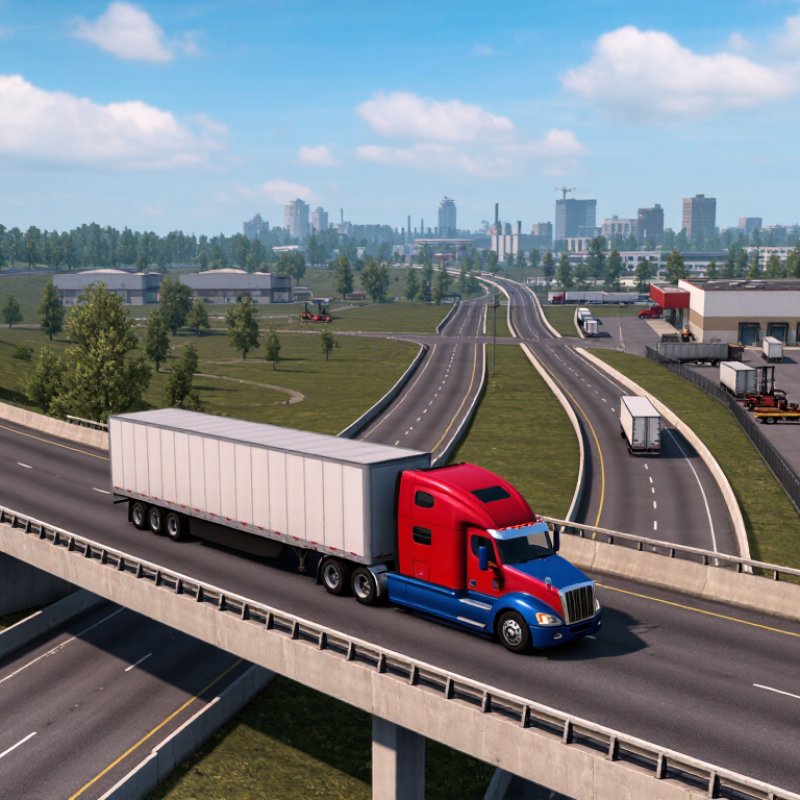
Top Domestic Truckload Logistics Providers for Global Buyers

Definition and Role of Domestic Truckload Logistics Providers

Top Domestic Truckload Logistics Providers for Global Buyers

Definition and Role of Domestic Truckload Logistics Providers

Domestic truckload logistics providers move full loads within one country’s borders. They coordinate trucks, drivers, routes, pickup windows, and delivery appointments. Their work may begin after a container reaches a seaport or rail terminal. A loaded trailer then travels to a warehouse, factory, or distribution center. This is the domestic link in an international supply chain. Simple? Not always.

For global buyers, these providers turn overseas purchasing plans into physical deliveries. They compare equipment needs, confirm pallet dimensions, and schedule loading safely. Experienced dispatch teams monitor weather, road restrictions, dwell time, and appointment changes. They also share shipment status, delivery records, and exception notices. Clear communication matters when buyers work across time zones. Small delays can become expensive. These providers support domestic transportation, but they do not replace international forwarders or customs specialists.

Reliable selection requires checking coverage, carrier screening, cargo insurance terms, and performance records. Ask how claims, missed appointments, temperature needs, and damaged pallets are handled. A practical test involves requesting a sample status update before booking regular volume. It reveals whether reports are precise or merely reassuring. No provider is flawless. Even strong operations can misjudge traffic or warehouse congestion. That limitation deserves honest planning, backup appointments, and realistic delivery windows.

Top Domestic Truckload Logistics Providers for Global Buyers

Definition and Role of Domestic Truckload Logistics Providers

Domestic truckload logistics providers coordinate full-truck shipments within a single country, including carrier sourcing, route planning, freight compliance, shipment tracking, and delivery execution. The chart shows key U.S. federal weight limits that providers must consider when planning domestic truckload movements.

Source: U.S. Federal Highway Administration, federal commercial vehicle size and weight regulations. Actual limits may vary by state, route, axle configuration, and permit requirements.

Core Services Offered to Global Buyers

For global buyers, domestic truckload logistics often begins when freight reaches a port, rail terminal, or local supplier. Providers can arrange full truckload moves between these points and warehouses, factories, or distribution centers. They help match shipments to suitable equipment, such as dry vans, refrigerated trailers, or flatbeds. Good planning matters.

Core services also include capacity booking, route planning, pickup and delivery appointment coordination, and shipment tracking. Buyers should expect clear status updates, not just a dispatch confirmation. For time-sensitive freight, providers may offer dedicated or expedited options, subject to available trucks and realistic transit times. No route is perfect.

Documentation support can include bills of lading, proof of delivery, and freight billing details. Some providers also coordinate claims communication when freight arrives damaged or short. Buyers can make this work smoother by sharing accurate weights, dimensions, delivery hours, and handling instructions before pickup. Details matter. Carrier qualification and safety checks are useful, but they do not remove every delay risk. A late purchase order or crowded receiving dock can still disrupt a carefully planned move. That is easy to overlook. Set an escalation contact and agree on update intervals before freight is collected.

How to Evaluate Truckload Logistics Providers

Top Domestic Truckload Logistics Providers for Global Buyers

How to Evaluate Truckload Logistics Providers

A capable truckload provider should fit your freight, lanes, and operating schedule—not just quote a low rate. Ask how it manages capacity during seasonal peaks and what happens when a planned truck becomes unavailable. Request sample updates for a delayed shipment, including who contacts your team and when. Clear communication matters.

Review safety practices, insurance documentation, driver qualification processes, and performance data. Compare on-time delivery rates by lane, not only company-wide averages. A provider may perform well on one route and struggle on another. Ask for recent references with similar freight and shipment volumes. Then check whether its tracking system shows meaningful milestones, such as pickup confirmation, location updates, and proof of delivery.

Test the working relationship before committing substantial freight. Share a realistic shipment scenario with a tight pickup window or a delivery appointment that changes. Notice how quickly the provider responds and whether its proposed solution includes practical details. Rates can be imperfect comparisons when accessorial charges or fuel terms differ. Review those assumptions carefully. A polished presentation is useful, but it cannot replace consistent execution. You may not predict every disruption; even a careful evaluation can miss something.

Leading Provider Categories in the Domestic Market

Domestic truckload providers generally fall into four categories: asset-based carriers, freight brokers, regional carriers, and dedicated fleet operators. Asset-based carriers control their own trucks and trailers, which can offer clearer visibility into capacity and equipment. Their networks may be less flexible in remote lanes, though. A trailer still has to be in the right place.

Freight brokers connect shippers with qualified carriers across a wider network. They can help cover seasonal surges or awkward pickup locations, but service quality depends on carrier selection and communication. Ask how often shipment updates are provided, who handles missed appointments, and what documentation is shared after delivery. A low quote alone tells little.

Regional carriers focus on defined areas and may know local traffic patterns, loading rules, and receiving schedules well. Dedicated fleet operators assign vehicles and drivers to recurring routes, making them useful for steady freight volumes and specialized handling needs. Buyers should compare more than price: examine insurance records, equipment condition, on-time performance, claims procedures, and the provider’s ability to manage peak demand. Small details matter. A driver waiting outside a distribution center can disrupt the whole day. Even careful reviews miss things; test a provider on a limited lane before expanding the relationship.

Top Domestic Truckload Logistics Providers for Global Buyers - Leading Provider Categories in the Domestic Market

Provider category Operating model Typical equipment and freight Common strengths Key considerations for global buyers Often suited to
National asset-based truckload carriers Operate and dispatch their own tractors and trailers across multiple domestic regions. Commonly dry vans and, depending on the network, refrigerated trailers or flatbeds; full truckload freight. Direct control of equipment and drivers; broad geographic coverage; established operating and safety processes. Confirm lane coverage, equipment availability, cargo limits, insurance, tracking capability, and procedures for accessorial charges. Regular full truckload shipments moving across several domestic regions.
Regional asset-based carriers Concentrate owned equipment and operations within a particular region or set of neighboring states. Equipment varies by network; commonly handle dry van, temperature-controlled, or flatbed loads in their service area. Local market knowledge and concentrated capacity on regional lanes; may provide direct communication with operations teams. Check whether shipments crossing the provider’s core territory require a handoff or another carrier, and verify coverage for less common lanes. Frequent shipments within a defined domestic region.
Dedicated fleet providers Assign vehicles and drivers to a customer’s recurring operation under a contracted service arrangement. Equipment is configured for the operation, such as dry vans, refrigerated trailers, or specialized trailers. Consistent equipment and operating procedures; can support scheduled routes, recurring volumes, and customer-specific requirements. Review minimum-volume commitments, contract term, fuel adjustments, driver availability, peak-season provisions, and responsibility for unused capacity. Stable, recurring freight flows with predictable pickup and delivery patterns.
Truckload freight brokers Arrange transportation by matching shipper loads with capacity from motor carriers; typically do not operate the trucks used for the shipment. Access to multiple equipment types through carrier networks, subject to available capacity and lane requirements. Can source capacity across a broad carrier base and help manage changing shipment volumes or less frequent lanes. Clarify the contracting party, carrier identification, insurance verification, tracking process, claims handling, and payment terms. Variable volumes, spot-market shipments, or lanes where a shipper needs access to a wider carrier pool.
Refrigerated truckload specialists Provide temperature-controlled truckload transportation using refrigerated trailers and related operating procedures. Refrigerated trailers for freight requiring specified temperature conditions, such as certain food or pharmaceutical products. Experience with temperature settings, reefer equipment, and shipment-specific handling instructions. Specify required temperature range, pre-cooling instructions, monitoring records, seal procedures, and response steps for temperature excursions. Temperature-sensitive freight requiring controlled conditions during transit.
Flatbed and specialized truckload providers Transport freight that requires open-deck, heavy-haul, or other specialized equipment and handling. Flatbeds, step decks, or other specialized trailers, depending on cargo dimensions, weight, and loading requirements. Knowledge of load securement, permits where required, and equipment selection for non-standard freight. Provide accurate dimensions and weight; confirm securement, tarping, permits, route restrictions, loading equipment, and site access in advance. Construction materials, industrial equipment, or freight that cannot be loaded into a standard enclosed trailer.

Note: These are general provider categories and common service characteristics, not guarantees of a particular provider’s coverage or performance. Confirm lane availability, equipment, service terms, insurance, and regulatory credentials directly before booking.

Key Factors in Selecting a Reliable Logistics Partner

For global buyers, a domestic truckload partner must do more than offer a low rate. The right provider can coordinate pickup windows, cross-dock handoffs, and delivery appointments when plans change. Ask how dispatchers handle delays and who gives your team updates. Request recent on-time delivery, claims, and invoice-accuracy data—not just a polished service promise.

The 2024 State of Logistics report estimated U.S. business logistics costs at 8.7% of GDP in 2023, underscoring how transport choices affect the wider supply chain. A single percentage point may look small. Across repeated shipments, it can matter.

Evaluate operational fit before signing. Check whether the provider has capacity on your actual lanes, suitable equipment, clear escalation procedures, and shipment visibility that your staff can use. Review sample tracking updates and a real claims workflow. Ask for references handling similar freight and seasonal volume. Confirm that pricing explains fuel adjustments, detention, and accessorial charges in plain language. No scorecard catches every bad Tuesday. Leave room to reassess.

Tips: Test a lane with a small shipment before awarding broader volume. Share realistic pickup and delivery requirements, then compare quoted service with actual performance. Keep a short monthly review of late loads, damage, response times, and billing errors. If the provider misses targets, ask for a corrective plan with dates and owners. The review may feel tedious; skipping it can cost more.

FAQS

What services can truckload providers offer global buyers?

They can move freight from ports, rail terminals, or suppliers to warehouses and factories. They may also arrange appointments, tracking, documents, and capacity.

How should buyers choose the right trailer?

Match the equipment to the freight. Dry vans suit general cargo. Refrigerated trailers handle temperature-sensitive goods. Flatbeds support oversized or unusual loads. Small details matter.

What information should buyers provide before pickup?

Share accurate weights, dimensions, delivery hours, and handling instructions. Include the pickup window and receiving appointment. Incomplete details can cause avoidable delays.

What tracking information should buyers expect?

Updates should show meaningful milestones, including pickup confirmation, location changes, and proof of delivery. A dispatch notice alone is not enough. Ask for agreed update intervals.

Can a provider guarantee fast delivery?

Dedicated or expedited service may reduce transit time, depending on truck availability. No route is perfect. Weather, traffic, equipment shortages, or crowded docks can still interfere.

Which documents are commonly handled during a shipment?

Support may include bills of lading, proof of delivery, and freight billing details. Providers may also coordinate communication when freight arrives damaged or short. Keep your records aligned.

How can buyers compare provider performance fairly?

Review on-time delivery by lane, not only overall averages. Check safety practices, insurance documents, driver qualification processes, and recent performance data. One strong route proves little.

What should buyers examine beyond the quoted freight rate?

Review fuel terms, accessorial charges, cancellation rules, and other pricing assumptions. Two rates may not cover the same services. Low is not always better.

Should buyers test a provider before assigning major freight volumes?

Yes. Share a realistic shipment scenario with a narrow pickup window or changing delivery appointment. Watch the response time and practical details. Even careful testing can miss something.

Conclusion

Domestic Truckload Logistics providers move freight by truck within a country, connecting suppliers, warehouses, distribution centers, and end customers. For global buyers, they serve as an essential link between international shipments and local delivery networks. Their services may include full truckload transportation, route planning, shipment tracking, freight coordination, and delivery scheduling, helping buyers manage domestic distribution with greater visibility and consistency.

When evaluating providers, buyers should consider geographic coverage, equipment availability, capacity, communication, technology, service reliability, and transparent pricing. Domestic providers may range from regional carriers to nationwide networks and logistics coordinators that arrange transportation through multiple carriers. The right partner should match a buyer’s shipment volumes, delivery requirements, and operating needs, while demonstrating dependable performance, clear accountability, and the flexibility to respond to changing demand.

Charlotte

Charlotte

Charlotte is a dedicated marketing professional with a strong understanding of the company’s products, services, and customer-focused solutions. With a talent for translating complex information into clear, practical insights, she regularly updates the company’s professional blog, sharing useful......