Explore our CE-compliant equipment catalog, specialized intermodal dry cargo assets, and accredited door-to-door global freight programs.
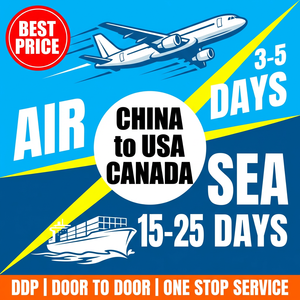
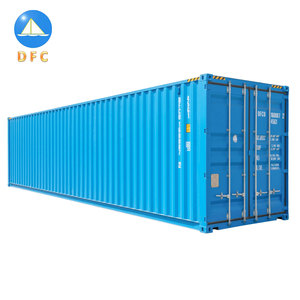
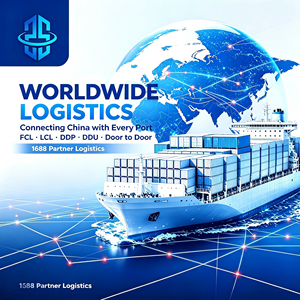
A comprehensive analysis of global logistics compliance, intermodal equipment standards, and strategic procurement frameworks for international buyers and enterprise manufacturers.
"In an era defined by volatile maritime tariffs, stringent customs enforcement, and tight regulatory compliance, true information gain stems from combining CE certified equipment quality with direct FMC-licensed carrier execution."
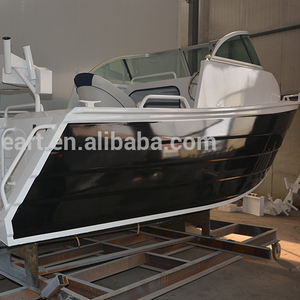
Modern cross-border trade demands unprecedented precision. As global supply chains shift toward nearshoring, localized warehousing, and strict regulatory governance, enterprise importers must re-evaluate how cargo moves from manufacturing floors to retail docks. Acquiring ISO-standard shipping containers or chartering marine assets such as 5m cuddy cabin yachts requires robust certification alignment—specifically CE marking, CSC safety approvals, and compliance with International Maritime Dangerous Goods (IMDG) standards.
Simultaneously, freight execution cannot be left to unverified intermediaries. Operating as an FMC-licensed Non-Vessel Operating Common Carrier (NVOCC) and a validated CTPAT partner, Intertrans Express Inc. (incorporating ZS Logistics operational network) provides the structural foundation required for total freight security. By combining direct bill of lading issuance with in-house Automated Manifest System (AMS) and Importer Security Filing (ISF) processing, international buyers mitigate detention risk, streamline customs entry, and establish end-to-end auditability.
Why Fortune-level importers, e-commerce sellers, and industrial OEMs trust our 40-year operational heritage.
We hold active FMC authority to issue proprietary ocean Bills of Lading and maintain CTPAT tier-validated supply chain security status. This ensures accelerated U.S. Customs clearance, prioritized inspection processing, and direct compliance auditability.
Eliminate costly Customs and Border Protection (CBP) holds. Our specialized clearance desk files ISF 10+2 and AMS data directly into U.S. and Canadian regulatory portals well ahead of 24-hour vessel loading windows.
Unlike virtual brokers, we operate strategic offices in key international trade centers: Los Angeles HQ, New York, Toronto, and Bangkok. Our local ground teams oversee drayage, cross-docking, and warehouse distribution directly.
From 1688 procurement consolidation to Amazon FBA warehouse fulfillment across North America, Europe, and Australia, we handle customs duties, tax assessments, bond coverage, and final-mile liftgate appointments.
Certified in IATA and IMDG protocols for dangerous goods transport. Our engineering team manages heavy-lift equipment, open-top, and flat-rack ocean containers alongside marine vessel charters.
Analyzing technological innovations, material engineering, and structural trends shaping international freight assets.
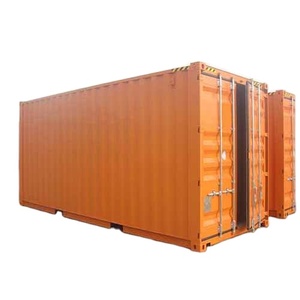
Modern ISO shipping containers (10ft, 20ft, 40ft, 45ft) are increasingly fabricated using SPA-H Corten anti-corrosive steel. CE certification mandates rigid structural testing, ensuring floor payload capacity exceeds 28,000 kg for high-density industrial cargo.
Standardized 20ft and 40ft dry cargo units are evolving from passive transport shells into smart modular storage assets. Integrated IoT sensors track internal humidity, temperature, and door tampering in real-time across oceanic transit corridors.
Commercial and leisure marine craft, including CE-certified 5m cuddy cabin mini yachts, leverage aluminum-magnesium alloy hulls. Vacuum infusion manufacturing reduces weight while providing ISO 12217-3 stability verification for offshore operation.
Critical intent insights for enterprise purchasing directors navigating shifting global supply chain paradigms.
Global procurement teams are moving away from FOB and EXW terms toward complete DDP solutions. Under DDP arrangements, the logistics provider assumes total responsibility for marine insurance, tariff valuation adjustments, customs clearance, and destination port drayage. This mitigates currency volatility and unexpected demurrage surcharges at destination terminals.
To prevent capital lockup in massive inventory stockpiles, buyers are opting for higher-frequency LCL (Less than Container Load) express consolidation. By pairing regional factory hubs in Asia with automated domestic sorting centers in the U.S. and Europe, shippers maintain lean JIT (Just-in-Time) inventory flows.
EU Carbon Border Adjustment Mechanism (CBAM) regulations are forcing procurement officers to audit emissions across ocean and air legs. Partnering with forwarders that utilize slow-steaming container lines, SAF-backed (Sustainable Aviation Fuel) air cargo, and green intermodal rail links is transitioning from an ESG goal to a legal mandate.
Procurement intent is now tied directly to visibility. Advanced freight forwarders leverage telemetry data from vessel AIS systems and terminal crane operating software to predict port congestion delays, enabling proactive re-routing prior to vessel berth arrival.
Expert answers addressing regulatory, operational, and documentation requirements for international shippers.
CE Certification serves as proof that equipment—such as modified ISO containers, lifting gear, or mini yachts—meets European Union safety, health, and environmental protection standards. For global exporters, CE marking ensures smooth entry into European markets and verifies compliance with international industrial safety mandates.
An FMC (Federal Maritime Commission) licensed NVOCC is a legally recognized ocean common carrier that issues its own House Bills of Lading, assumes carrier liability, publishes tariffs, and enters into direct space contracts with vessel operators. A freight broker merely acts as an agent without carrier authority or contract control.
CTPAT (Customs-Trade Partnership Against Terrorism) validation grants importers prioritized U.S. Customs examination, reduced risk-scoring scores, faster border processing, and dedicated access to CBP FAST lanes along land borders, drastically cutting transit delays.
For ISF (Importer Security Filing 10+2), shippers must provide buyer/seller details, importer of record number, consignee number, manufacturer/supplier address, country of origin, and HTSUS codes at least 24 hours prior to vessel loading. AMS requires full bill of lading manifest data.
By pre-clearing entry documentation prior to vessel discharge, securing pre-assigned chassis allocations, and utilizing localized drayage fleets with established port appointment access, cargo is moved off dock immediately within free-time windows.
Yes. Our hazmat operations unit holds full IMDG and IATA dangerous goods certifications. We verify UN packaging specifications, generate safety data sheet (SDS) declarations, and secure carrier acceptance for Class 2 through Class 9 regulated cargo.