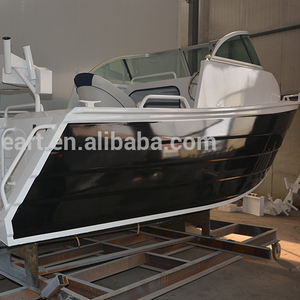
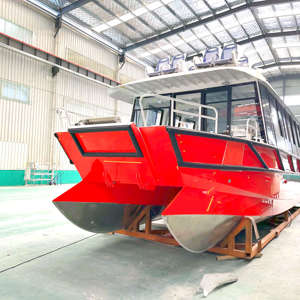
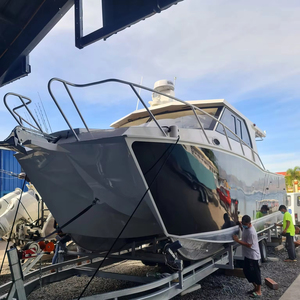
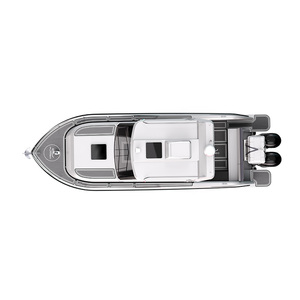
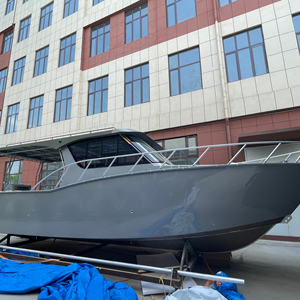
5m Cuddy Cabin Mini Boat Yacht - Containerized Export Cleared
- Classification: HTS 8903.92 / Marine
- Compliance: CE Certified / IMO
- Logistics Mode: FCL 40'HQ / Flat Rack
- Clearance Port: Qingdao / Shanghai
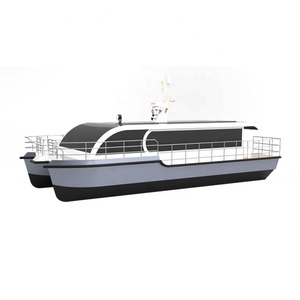
Explore factory-direct commercial vessels, passenger catamarans, and specialized marine craft featuring complete customs documentation, export clearance verification, and international sea charter logistics.
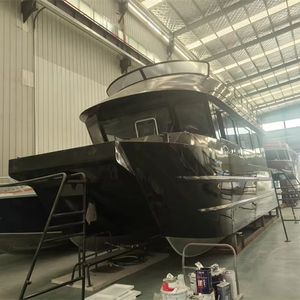
Navigating complex international customs frameworks requires more than simple cargo movement; it demands rigorous regulatory compliance, tariff engineering, and direct FMC-licensed NVOCC authority.
Sourcing manufactured goods, specialized machinery, or commercial marine craft from premier industrial hubs across China—such as Qingdao, Shanghai, Ningbo, and Shenzhen—presents distinct compliance challenges for international buyers. Customs holds, improper Harmonized Tariff Schedule (HTS) classifications, and missed Automated Manifest System (AMS) or Importer Security Filing (ISF 10+2) deadlines can rapidly trigger costly storage fines, demurrage penalties, and supply chain delays.
Operating as a fully licensed Non-Vessel Operating Common Carrier (NVOCC) and a validated partner in the U.S. Customs and Border Protection CTPAT (Customs-Trade Partnership Against Terrorism) program, our organization offers unified end-to-end control. We combine origin export manifest verification with direct destination customs brokerage, ensuring seamless passage across Transpacific, European, North American, and Intra-Asia shipping lanes.
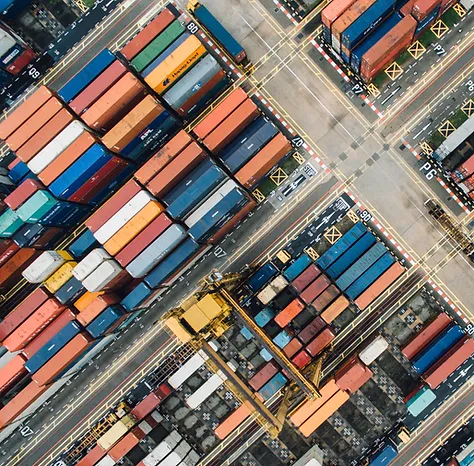
Evaluating the risk exposure, landed cost efficiency, and operational speed between uncoordinated freight intermediaries and an integrated, FMC-licensed customs brokerage partner.
| Operational Vector | Fragmented Third-Party Freight Brokers | Integrated FMC-Licensed NVOCC & Customs Partner |
|---|---|---|
| Bill of Lading Authority | Sub-contracts to secondary agents; no proprietary House B/L issuance. | Directly issues FMC-registered Bills of Lading with full legal auditability. |
| AMS & ISF Filing Execution | Outsourced to third-party software, increasing risk of transmission lag. | Direct ABI integration with U.S. CBP and global customs data gateways. |
| Tariff Classification (HTS) | Generic line-item entry based solely on commercial invoice text. | Expert tariff engineering to optimize legal duty rates and mitigate penalties. |
| Supply Chain Security | Standard compliance; higher risk of random physical inspections. | CTPAT certified partner status, securing priority physical inspection queues. |
| Out-of-Gauge (OOG) Handling | Limited capability for specialized equipment (Flat Racks/Breakbulk). | In-house engineers for marine vessel lashing, cradles, and port surveys. |
| Accountability & Tracking | Fragmented updates split between origin forwarders and destination brokers. | Single accountable point of contact across North America & Asia offices. |
The global trade ecosystem is undergoing a structural shift driven by digital customs clearance, mandatory sustainability tracking, and heightened geopolitical compliance standards.
Customs authorities worldwide are implementing machine-learning algorithms to audit Harmonized Tariff Schedule (HTS) codes in real time. Future procurement strategies demand that China suppliers and customs brokers align accurate technical product specifications, preventing automated cross-border fines before vessel departure.
The introduction of the Carbon Border Adjustment Mechanism (CBAM) in Europe and similar scope-3 emission tracking in North America requires customs clearance to incorporate certified embedded carbon documentation. Importers must work with forwarders capable of providing verified vessel fuel and carbon audits.
China's International Trade Single Window system is now directly interfaced with regional trading partners across Southeast Asia (RCEP) and major global ports. This integration allows instant cross-verification of Certificates of Origin (Form E), commercial invoices, and export licenses, accelerating clearance windows to mere hours.
As sourcing of heavy industrial machinery and commercial marine vessels (such as aluminum fishing catamarans and sport yachts) increases, specialized intermodal drayage—incorporating heavy-haul permits, lowboy trailers, and port-side craning—has become a core bottleneck to solve upfront.
Understanding changing trade policy, anti-dumping regulations, and supply chain security validation empowers procurement directors to protect their margins.
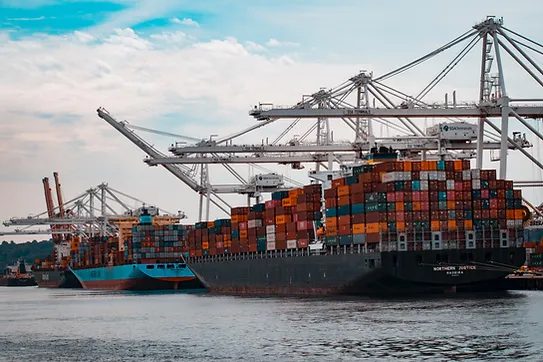
International trade policies continue to dynamic adjustments, particularly on trade lanes connecting China to North America and Europe. Importers must leverage advanced tariff mitigation tools such as First Sale Valuation, Tariff Exclusion auditing, and bonded warehouse entries to temporarily defer or minimize duty exposure.
Supply chain security programs like CTPAT (USA) and Authorized Economic Operator (AEO in China & Europe) have established mutual recognition frameworks. Utilizing an accredited customs broker with CTPAT validation reduces physical container examination rates by up to 500%, drastically improving landed schedule reliability.
Exporting commercial vessels, aluminum fishing boats, and luxury charter yachts requires specialized customs treatment. Beyond basic export declarations, brokers must manage environmental compliance certifications (such as US EPA engine conformity or CE Recreational Craft Directive standards), biosecurity inspections, and specialized ocean charter space booking.
Our standardized four-phase operational model ensures continuous visibility, compliance verification, and predictable landed timelines for every shipment file.
Verification of commercial invoices, packing lists, HS classifications, and regulatory compliance certificates prior to origin vessel loading.
Issuance of House Bill of Lading, space allocation on core ocean carriers, and timely transmission of AMS, ISF 10+2, or ENS manifest filings.
Direct EDI transmission to destination customs authorities, duty payment processing, PGA (Partner Government Agency) clearances, and release monitoring.
Coordinated port drayage, specialized lowboy heavy-haul trucking, dock appointment booking, and full proof-of-delivery record archiving.
Expert answers to critical operational, customs clearance, and freight forwarding inquiries for global trade professionals.
Our dedicated internal staff manages origin booking, export compliance, destination customs entry, and inland delivery across owned international office hubs.
Intertrans Express Inc.
2209 W Valley Blvd.
Alhambra, CA 91803, USA
Phone: +1 (626) 299-1822
Key Hub for Transpacific Ocean Freight & West Coast Drayage
Intertrans Express Inc.
20 W Lincoln Ave. Suite 102
Valley Stream, NY 11580, USA
Phone: +1 (516) 812-8500
East Coast Air Freight & Port Gateway Clearance
Intertrans Express (Canada), Inc.
65 International Blvd. Suite 204
Etobicoke, ON M9W 6L9, Canada
Phone: +1 (416) 674-9888
Cross-Border US-Canada Transport & CBSA Entry Brokerage
Connect directly with our licensed customs specialists and logistics engineers to review your lane requirements, audit HTS classifications, and secure guaranteed vessel space.
Contact Us