Explore our CE-certified aluminum cargo workboats, commercial chartering vessels, and heavy-duty logistics fleet designed for global procurement and demanding maritime operations.
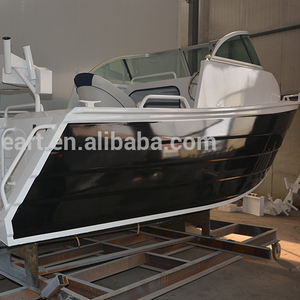
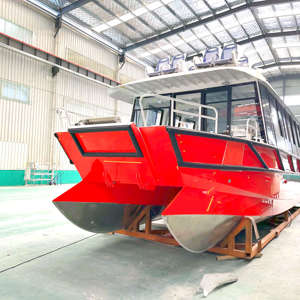
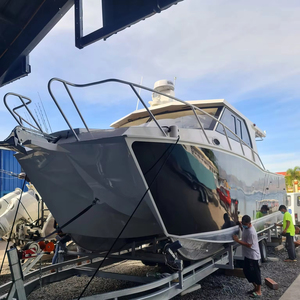
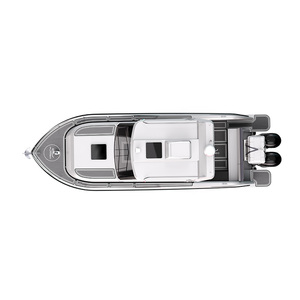
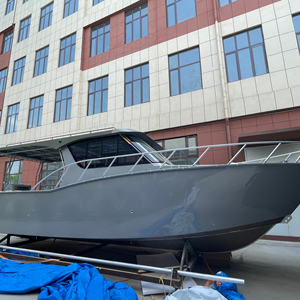
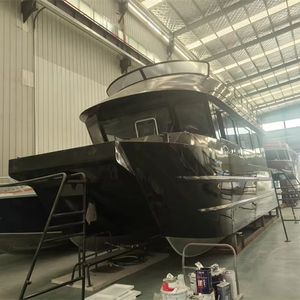
The global maritime trade and freight forwarding landscape is undergoing a structural paradigm shift. As international supply chains demand higher efficiency, reduced carbon footprints, and resilient end-to-end transport networks, global importers, port operators, and commercial vessel charterers are turning directly to China wholesale cargo handling factories and specialized marine exporters. Sourcing commercial workboats, aluminum cargo catamarans, and heavy-lift logistics infrastructure from China requires a deep understanding of manufacturing capabilities, naval engineering standards, and international shipping protocols.
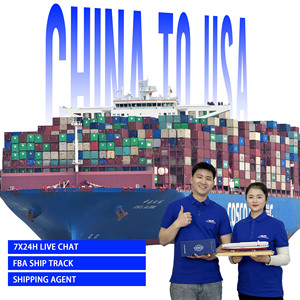
Procuring specialized heavy equipment or commercial cargo vessels overseas often fails not at the factory floor, but during international transportation, customs entry, and final delivery. Our integrated enterprise model merges high-precision aluminum vessel manufacturing (located in maritime hubs like Qingdao) with fully certified FMC-licensed NVOCC and CTPAT-validated freight logistics (headquartered in Los Angeles with offices in New York, Toronto, and Bangkok).
By controlling both the production pipeline and the Transpacific logistics chain, buyers eliminate intermediary broker friction, guarantee compliance with U.S. Customs & Border Protection (CBP), and secure seamless telex releases, automated ISF/AMS filings, and precise dock-to-door execution.
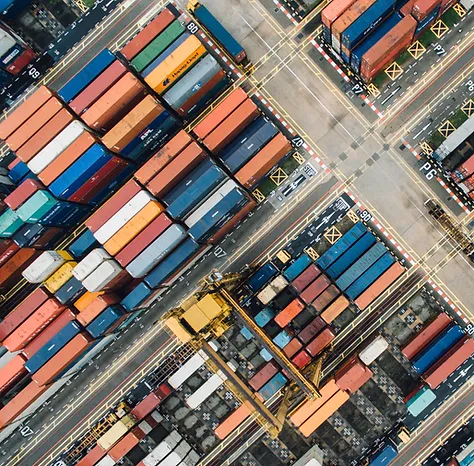
To provide actionable Information Gain for commercial procurement directors and supply chain engineers, we have identified three macro trends redefining China's cargo handling and marine vessel export sector:
Modern cargo handling and charter workboats have pivoted from traditional fiberglass (FRP) and structural steel to marine-grade 5083-H116 aluminum alloys. This lightweight, highly anti-corrosive material increases payload capacities by up to 35% while slashing fuel burn on commercial transit routes.
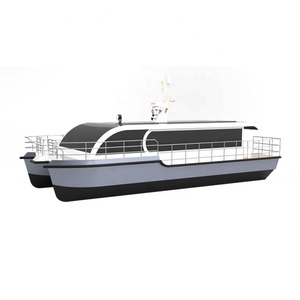
Multi-hull designs (10m to 18m center console catamarans) are replacing monohulls for commercial chartering, island logistics, and shallow-water cargo transport. Their superior transverse stability permits deck-mounted cranes, modular pallet storage, and heavy outboard motor pairings.
Global buyers now mandate that cargo handling suppliers utilize CTPAT-certified supply chain security. This ensures prioritized customs processing in North American ports, minimum inspection hold frequencies, and seamless automated AMS/ISF 10+2 data transmissions prior to vessel loading.
When evaluating wholesale cargo handling factories, procurement officers must look beyond FOB purchase prices and analyze structural metallurgy, ISO quality compliance, and total landed cost efficiency.
| Evaluation Parameter | China Wholesale OEM Factories (Our Fleet) | Traditional Regional Shipyards | Strategic Advantage for Importers |
|---|---|---|---|
| Primary Construction Material | 5083-H116 / 5086 Marine-Grade Aluminum Alloy | Standard Mild Steel or Molded FRP Fiberglass | Superior strength-to-weight ratio, zero corrosion in salt water, higher resale value. |
| Quality Standards & Certification | CE Certified (Ocean Class B/C), ISO 9001, AS/NZS Standards | Varies (often restricted to local domestic standards) | Turnkey approval for commercial chartering in USA, UK, EU, Australia, and Canada. |
| Export Logistics Integration | In-House FMC NVOCC & CTPAT Carrier Contracts (FCL/LCL/Flat Rack) | Third-party unvetted freight forwarders | Guaranteed space allocation, transparent telex releases, no unexpected port demurrage. |
| Customization Capability | Full OEM/ODM Deck Layouts, Reinforced Cargo Davits, Twin Engine Rigging | Fixed standard production molds | Customized specifically for your commercial intent (freight transport, fishing, charter). |
| Landed Cost Efficiency | Direct Factory Pricing + Optimized Ocean Freight Rate Bundling | High overhead margins + disconnected shipping charges | Achieves 25% to 40% overall cost reduction per unit delivered. |
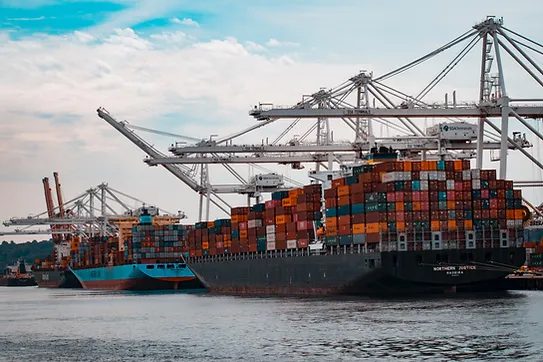
Established with a legacy spanning over 40 years of combined maritime and freight experience, Intertrans Express Inc. operates as an FMC-licensed Non-Vessel Operating Common Carrier (NVOCC) and a CTPAT-certified security partner. We bridge the gap between Chinese cargo handling manufacturers and overseas buyers.
Procuring commercial vessels and heavy cargo handling equipment from Chinese exporters requires a rigorous four-step workflow to mitigate technical, regulatory, and financial risks:
We work with your procurement team to define vessel dimensions, hull plating thicknesses, engine horsepower, and exact Harmonized System (HS) classifications for accurate duty rate estimations.
Prior to shipment, aluminum welds (NDT testing), hydro-test hull integrity, electrical systems, and CE compliance documentation undergo comprehensive factory acceptance testing (FAT).
As an FMC-licensed NVOCC, we issue our master/house bills of lading, secure flat-rack or breakbulk vessel space, and submit mandatory ISF 10+2 and AMS filings directly to US Customs well before arrival.
Clear answers to crucial procurement, technical compliance, and shipping questions for global wholesale buyers.
Marine-grade 5083-H116 aluminum offers vastly superior impact strength, lower structural weight, zero water absorption, and complete resistance to osmosis. For commercial cargo handling and chartering, aluminum vessels provide higher payload capacities, easier field repairs, lower maintenance overhead, and exceptional structural longevity under rugged commercial use.
Depending on overall dimensions (length, beam, and height), vessels are transported using three primary methods: 40ft High Cube Open Top containers, Flat Rack containers with custom cradles and lashings, or Breakbulk/RO-RO cargo shipping. Our in-house NVOCC team designs certified marine lashing plans to prevent movement during oceanic transit.
Yes. All featured commercial vessels comply with rigorous CE standards (Category B Offshore or Category C Inshore/Coastal depending on model). They undergo third-party module inspections for stability, buoyancy, deck drainage, and structural integrity, ensuring seamless maritime registration upon arrival in destination ports.
An FMC-licensed Non-Vessel Operating Common Carrier (NVOCC) holds official authority from the U.S. Federal Maritime Commission. This enables us to issue legal Bills of Lading, publish independent freight tariffs, contract directly with ocean vessel lines, and manage customs clearance without unvetted third-party brokers—ensuring total accountability over your landed cost.
Absolutely. Factory production lines offer full OEM/ODM customization including deck layout modifications, reinforced davit mounting plates, heavy-duty towing posts, custom seating, fuel tank capacity upgrades, and specialized electronics integration for commercial chartering operations.
Essential import documentation includes the Commercial Invoice, Packing List, Bill of Lading (issued by our NVOCC desk), Manufacturer Statement of Origin (MSO), EPA Engine Conformity certificates (if engine included), and verified ISF (Importer Security Filing) 10+2 documentation transmitted 24 hours prior to origin vessel loading.
Standard manufacturing lead times for custom aluminum commercial vessels typically range from 45 to 75 days depending on size and specs. Ocean transit times average 14–22 days for Transpacific US West Coast routes, and 30–40 days for US East Coast and European ports.
Connect with our technical engineering team and logistics directors to receive comprehensive product catalogs, OEM factory specifications, and turnkey landed freight quotations.