Clear, direct answers to essential cross-border logistics questions for enterprise buyers and manufacturing supply chain managers.
What specific advantages does an FMC-Licensed NVOCC offer OEM/ODM importers over standard freight brokers?
An FMC (Federal Maritime Commission) licensed NVOCC acts as a carrier in the eyes of the law. Intertrans Express Inc. issues its own proprietary House Bills of Lading, negotiates direct service contracts with ocean liner alliances, and maintains legal responsibility for cargo custody. Unlike unlicensed brokers, we control container prioritization, eliminate middleman markups, and manage destination terminal drayage directly through our owned infrastructure.
How does CTPAT certification reduce clearance delays and total landed costs for enterprise shipments?
CTPAT (Customs-Trade Partnership Against Terrorism) is a voluntary government-business initiative building cooperative relationships that strengthen overall international supply chain security. As a certified CTPAT partner, shipments managed by Intertrans experience significantly lower U.S. Customs inspection rates (X-ray, Tailgate, and Intensive Examinations). Reduced inspection frequency prevents costly demurrage fees ($200–$800/day) and eliminates terminal staging delays, ensuring predictable delivery schedules.
What is the critical timeline for ISF 10+2 and AMS filing for U.S.-bound ocean freight?
The Importer Security Filing (ISF 10+2) must be transmitted electronically to U.S. Customs and Border Protection at least 24 hours prior to cargo being loaded aboard the vessel at the foreign port of origin. Failure to file accurately or on time results in mandatory $5,000 liquidated damages fines per shipment and automatic hold orders upon U.S. port arrival. Intertrans handles all ISF/AMS transmissions directly via dedicated EDI interfaces.
Can Intertrans manage DDP (Delivered Duty Paid) shipping to non-US destinations like Europe, Saudi Arabia, and Brazil?
Yes. Our international destination infrastructure covers global DDP/DDU logistics. In Europe, we manage Import One-Stop Shop (IOSS) registration and VAT clearances. In Saudi Arabia, we integrate directly with SABER quality portal certifications and the FASAH customs clearance platform. In Brazil, our localized brokers navigate Siscomex tariff structures, ICMS tax calculations, and Anvisa/MAPA regulatory holds.
What documentation is required to execute breakbulk vessel chartering for commercial craft or heavy machinery?
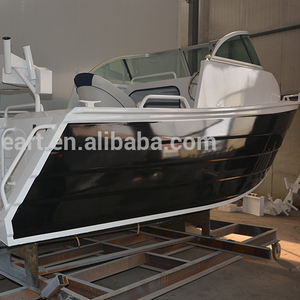
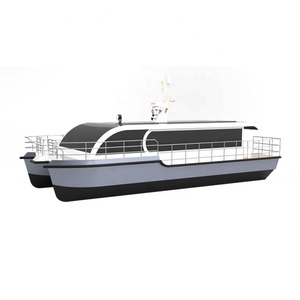
Executing breakbulk chartering (e.g., for commercial fishing catamarans, yachts, or industrial manufacturing skids) requires accurate General Arrangement (GA) drawings, verified gross weight and center-of-gravity calculations, lifting point diagrams, and specialized lashing/cradling specifications. Our project cargo engineers conduct pre-stowage surveys and secure port captain approvals to ensure safe transoceanic transit.
How does Intertrans handle Partner Government Agency (PGA) clearances such as FDA, EPA, or DOT?
Customs entry involves more than tariff payment. If your manufactured goods fall under PGA jurisdiction (e.g., electronic devices under FCC, medical components or food-contact goods under FDA, engine equipment under EPA), Intertrans files required PGA data elements simultaneously with standard customs entries through the Automated Commercial Environment (ACE), preventing port-of-entry detentions.