As international commercial tourism, deep-sea sports fishing, island transport, and high-priority cargo logistics expand globally, enterprise buyers require robust OEM/ODM manufacturing partnerships. This comprehensive guide evaluates the top charter vessel manufacturers, air charter logistics integrators, marine-grade aluminum structural engineering, and multimodal freight solutions for global fleet operators.
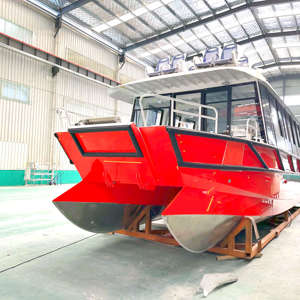
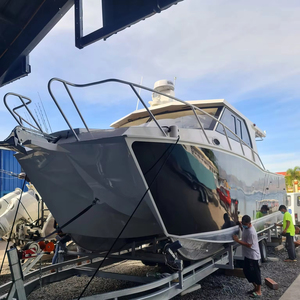
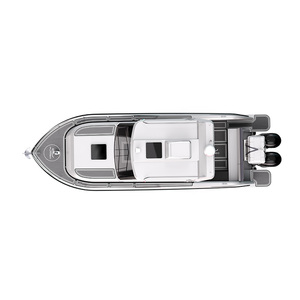
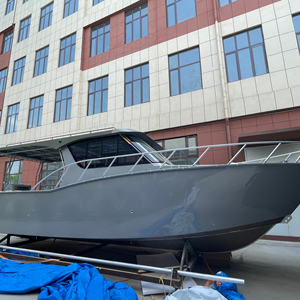
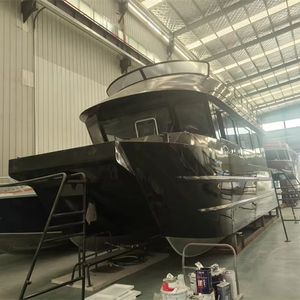
When evaluating suppliers for air charters, commercial vessel procurement, and multimodal transport logistics, procurement teams must balance structural integrity, operational efficiency, regulatory certification, and Total Cost of Ownership (TCO). Below is an architectural comparison of leading charter factory standards across key performance dimensions.
| Supplier / Factory Category | Primary Engineering Focus | Structural Material & Specs | Compliance Standard | Logistics & Delivery Integration |
|---|---|---|---|---|
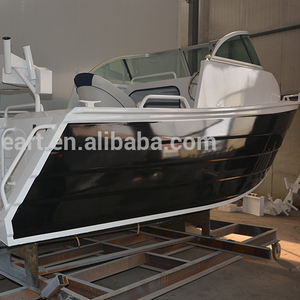
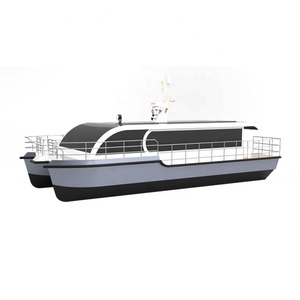
| Aluminum Catamaran OEM Factories | High-speed dual-hull stability, hydrodynamics, twin outboard efficiency | Marine Grade 5083-H116 Aluminum (6mm Bottom/5mm Deck) | CE Category B/C, AS/NZS 1799, USCG Standard | Flat Rack / Open Top Ocean Freight, Port Drayage |
| Air Freight & Cargo Charter Integrators | Time-critical oversized equipment, out-of-gauge payload transport | Aerospace Composite & High-Payload Aircraft Hold Specs | IATA Dangerous Goods, FAA Part 135 / EASA Air Operator | Direct Airport-to-Airport Uplift, Onward Domestic Trucking |
| Luxury Cuddy Cabin & Sport Yacht OEMs | VIP passenger ergonomics, deep-V offshore deadrise hulls | Fiberglass Composite / Hybrid Alloy Reinforced Frames | ISO 12217 Small Craft Buoyancy & Stability | Ro-Ro Vessel Shipping & Custom Cradling Setup |
| Multimodal Charter Logistics Partners | Turnkey supply chain, AMS/ISF custom clearance, door-to-dock delivery | Licensed Freight Forwarding, NVOCC Paperwork & Tracking | FMC Licensed, CTPAT Certified, IMDG Compliant | Owned Offices in LA, New York, Toronto & Bangkok |
Deploying commercial charter assets—whether airborne cargo charters or heavy-duty aluminum catamaran vessels—requires an audited international supply chain infrastructure. Intertrans Express Inc. bridges factory floor production with end-user delivery through 40+ years of operational expertise.
We issue our own bills of lading, execute direct carrier contract agreements, and transmit AMS/ISF filings in-house, minimizing customs hold risks and ensuring streamlined security clearance at international ports.
With operational headquarters in Los Angeles (HQ) and owned offices in New York, Toronto, and Bangkok, our teams provide continuous coverage across Transpacific, Intra-Asia, and European maritime and air corridors.
From 18-meter commercial catamarans requiring flat rack cradling to urgent air charter cargo charters, our project desk handles IMDG/IATA dangerous goods compliance, route surveys, and port-side lashing supervision.
Avoid fragmented subcontractor handoffs. Importers and charter buyers deal directly with one dedicated file manager who tracks vessel, flight, and container movements from factory exit to final-mile destination dock.
The commercial charter sector is undergoing dynamic structural shifts driven by stringent maritime carbon regulations, advances in naval architecture, and the digital transformation of international logistics chains. Enterprise buyers updating their fleet acquisition strategies must account for four major industry trends:
Modern charter fleet operators are migrating from single-hull vessels to twin-hull aluminum catamarans. Dual sponson designs reduce hydrodynamic drag by up to 28%, enabling higher cruise speeds with lower engine displacement—substantially lowering daily fuel overhead for passenger charter businesses.
Regulatory authorities across North America (USCG), Europe (CE Category B/C), and Australia (AS/NZS 1799) have heightened safety enforcement for commercial passenger vessels. Sourcing from factories with pre-tested structural integrity, sealed air flotation chambers, and audited alloy welding is now mandatory for commercial licensing.
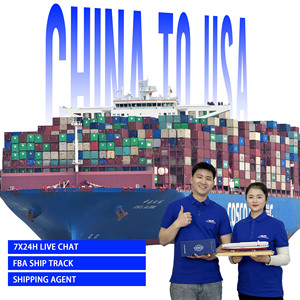
Procuring boats from overseas factories involves complex logistics: custom cradle engineering, ocean freight space booking, AMS/ISF customs clearance, port drayage, and inland transport. Buyers increasingly demand single-source logistics integration to prevent costly port demurrage and shipping damage.
Why are premier charter suppliers shifting towards Marine Grade 5083-H116 Aluminum Alloy for commercial vessel construction? Unlike fiberglass composite boats which suffer from gelcoat osmosis and structural degradation under heavy commercial utilization, 5083 alloy provides exceptional tensile strength, impact absorption, and corrosion resistance in marine environments.
Key engineering highlights include:
Essential answers for charter fleet buyers, logistics managers, and commercial operators.