
Pre-inspected, customs-verified, and tax-optimized services designed for global B2B procurement and seamless tariff execution.


In an era defined by volatile geopolitical shifts, aggressive trade policy enforcement, Section 301/232 tariffs, and strict environmental regulations such as the EU Carbon Border Adjustment Mechanism (CBAM), selecting the right tariff compliance manufacturer and factory is no longer just a purchasing decision—it is an enterprise risk management imperative. Global buyers, supply chain directors, and chief procurement officers face unprecedented scrutiny from customs authorities including U.S. Customs and Border Protection (CBP), EU DG TAXUD, and regional tax agencies.
True tariff compliance extends far beyond standard country-of-origin labeling. It demands an integrated operational framework encompassing accurate Harmonized Tariff Schedule (HTS) code engineering, robust Valuation Methodologies under GATT Article VII, strict adherence to Rules of Origin (RoO), automated Material Safety Data Sheet (MSDS) hazard disclosures, and audited pre-shipment quality verification. Partnering with top-tier compliance-aligned factories enables multinational enterprises to eliminate punitive fines, mitigate cargo holds, unlock Duty Drawback programs (19 U.S.C. § 1313), and secure maximum landed cost efficiency.
To assist enterprise buyers in auditing overseas suppliers, our global trade specialists have established a multi-variable compliance framework. Top-performing manufacturing facilities are benchmarked across six mission-critical compliance dimensions:
| Compliance Pillar | Standard Factory Level | Top 10 Compliance Factory Standard | Enterprise Impact |
|---|---|---|---|
| HTS Code Engineering | Generic line item description | Multi-jurisdictional pre-classified HTS database | Zero classification penalties & optimal duty rates |
| Origin Documentation | Self-declared Certificate of Origin | Third-party audited Bill of Materials (BOM) & RoO tracking | Immunity from Section 301 evasion audits |
| Regulatory Filings | Third-party delayed filing | In-house Automated Commercial Environment (ACE) / ISF Integration | Elimination of $5,000+ ISF late filing liquidated damages |
| Chemical & Safety Compliance | Outdated PDF Safety Sheets | Real-time GHS 16-section automated MSDS & REACH/TSCA certificates | Instant port clearance for DG & regulated goods |
| E-Commerce Customs Modes | Standard bulk ocean freight | Integrated 9610 / 9710 / 9810 cross-border tax refund processing | Accelerated export tax rebates & automated duty clearance |
| Inland Logistics Security | Unvetted third-party truckers | CTPAT-validated bonded transit & real-time GPS container tracking | Bypasses high-risk customs examination lanes |
The global trade landscape is undergoing a structural paradigm shift driven by legislative reforms, digital automation, and nearshoring trends. Enterprise procurement teams must adapt their sourcing strategies to match these emerging trends:
Global regulatory bodies are closing low-value import exemptions. Future procurement requires integrated DDP (Delivered Duty Paid) frameworks to handle duty assessment at source.
Customs agencies are deploying machine learning algorithms to detect tariff classification mismatches. Compliant factories must utilize automated HTS cross-referencing software.
Manufacturers are restructuring product supply chains to import component parts under lower-duty subheadings rather than complete assemblies subject to punitive tariffs.
Leading e-commerce manufacturers are adopting China Customs 9810 (B2B export to overseas warehouses), streamlining VAT refunds and local customs clearance.
Importers must now track carbon footprints and manufacturing energy consumption. Facilities equipped with CE-compliant smart power meters win preferential contract status.
Supply chains are diversifying through Southeast Asian hubs (e.g., Thailand, Vietnam) backed by owned logistics networks in Los Angeles, New York, and Toronto.
Modern compliance-ready factories are transforming their production floors into smart, audit-transparent environments. Key technical developments in manufacturing include:
1. Automated Pre-Shipment Inspection (PSI) Systems: Enterprise buyers no longer accept post-arrival defect reports. Leading factories embed digital pre-shipment quality checks directly into their manufacturing execution systems (MES), issuing certified inspection reports that pair with customs declaration dossiers.
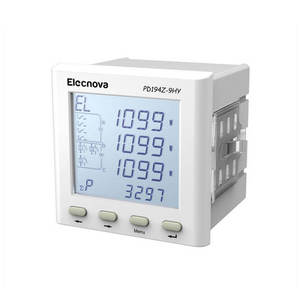
2. Smart Industrial Metering for Carbon Audits: High-precision energy metering devices, such as three-phase multi-measurement power analyzers with Ethernet Modbus TCP protocols, are being installed across manufacturing lines to measure exact energy consumption per batch—satisfying EU CE compliance and green tariff declarations.
3. GHS Chemical Data Digitization: Chemical manufacturers are transitioning from static MSDS sheets to dynamically updated, multi-lingual GHS safety documentation platforms that integrate directly with ocean and air freight Dangerous Goods (DG) manifests.
Backed by over 40 years of combined operational experience, licensed credentials, and owned global hubs, we deliver total end-to-end supply chain security.
As a fully licensed Non-Vessel Operating Common Carrier (NVOCC) and validated U.S. Customs CTPAT partner, we issue house bills of lading, transmit direct AMS/ISF filings, and reduce customs inspection hold risks for high-volume importers.
With corporate-owned strategic offices in Los Angeles (HQ), New York, Toronto, and Bangkok, our localized operations teams directly control origin consolidation, destination clearance, and final-mile drayage without untrusted handoffs.
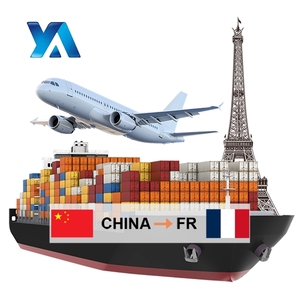
Our customs brokerage teams specialize in European VAT compliance, tax refund processing, and Section 301 tariff mitigation strategies for clients shipping across Transpacific, European, and intra-Asia trade lanes.
From hazardous chemical MSDS validation and IMDG/IATA dangerous goods handling to heavy-lift project cargo and oversized flat-rack ocean shipping, we provide turnkey engineering and permit execution.
Expert insights into common customs clearance, tariff mitigation, and pre-shipment documentation challenges.
Compliance-focused factories utilize precise Tariff Engineering—optimizing assembly methods or raw material origin to qualify for lower HTS subheadings. They also provide detailed Bill of Materials (BOM) accounting to substantiate substantial transformation outside tariff-penalized zones.
Under DDP (Delivered Duty Paid), the seller/factory assumes complete responsibility for clearing customs, paying import duties, and settling local taxes (such as VAT/GST). Under DDU (Delivered Duty Unpaid), the buyer handles duty settlement. Partnering with a DDP-experienced forwarder ensures zero unexpected landed costs at destination ports.
These specialized customs control codes enable legal tax refunds for e-commerce exports. Code 9610 applies to direct B2C parcel shipping, 9710 handles B2B cross-border direct sales, and 9810 streamlines bulk exports destined for overseas fulfillment warehouses, allowing enterprise sellers to claim legit export tax rebates efficiently.
Chemical shipments require an up-to-date 16-section GHS-compliant Material Safety Data Sheet (MSDS), TSCA (Toxic Substances Control Act) statements for U.S. imports, REACH compliance certificates for EU imports, and accurate IMDG/IATA dangerous goods declarations when applicable.
CTPAT (Customs-Trade Partnership Against Terrorism) certified supply chains are recognized by U.S. Customs as low-risk. Benefits include significantly reduced examination rates, priority processing during port congestion, access to FAST lanes at land borders, and dedicated CBP account managers.