Discover direct factory-to-destination multimodal services, containerized ocean shipping, specialized chartering, and streamlined DDP door-to-door logistics.
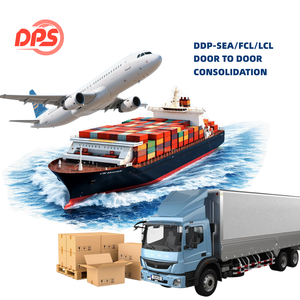
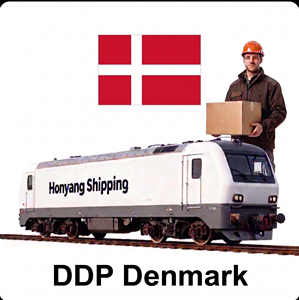
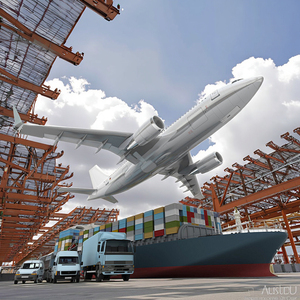
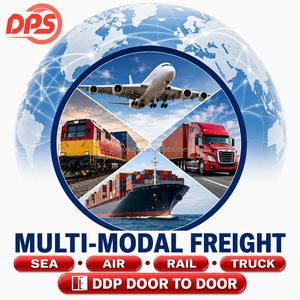
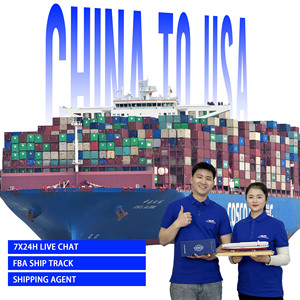
In the dynamic paradigm of international trade, China intermodal freight factories and exporters serve as the indispensable backbone of global supply chain architecture. As enterprise procurement teams and global buyers seek to optimize landed costs, shorten transit windows, and mitigate maritime bottlenecks, the transition from traditional single-mode shipping to synchronized multimodal transportation (Ocean-Rail-Truck-Air) has become strategic imperative.
Intermodal freight integration synthesizes the structural efficiency of rail transport across Eurasian corridors, the massive volume capacity of Transpacific and Asia-Europe ocean lines, and the agility of localized last-mile drayage. Supported by FMC-licensed NVOCC (Non-Vessel Operating Common Carrier) compliance and CTPAT (Customs Trade Partnership Against Terrorism) security validation, leading Chinese manufacturing hubs now offer direct-to-consignee Delivery Duty Paid (DDP) solutions tailored for complex global distribution networks.
Operating a resilient global intermodal route requires sophisticated end-to-end oversight. Rather than relying on fragmented freight brokers, tier-1 exporters align with unified logistics entities that manage carrier contracts, customs entry, automated Automated Manifest System (AMS) filings, Importer Security Filings (ISF), and specialized container equipment (such as 40HQ full-side open units for machinery and automotive loading).
With strategic operational nodes anchored in core hubs—including Los Angeles (HQ), New York, Toronto, and Bangkok—our synchronized infrastructure provides global buyers with continuous chain-of-custody tracking, eliminating traditional handover friction between ocean carriers, rail ramps, and inland drayage fleets.
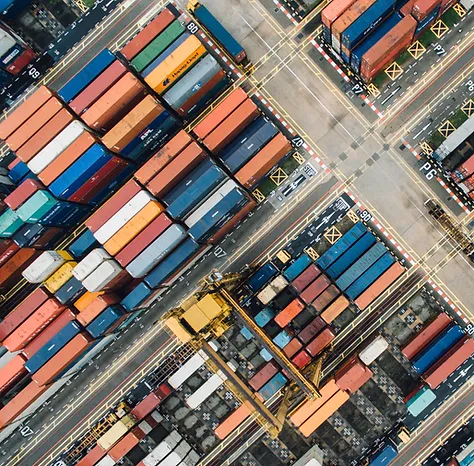
Selecting the optimal logistics corridor requires balancing cost per Forty-Foot Equivalent Unit (FEU), transit velocity, customs complexity, and carbon intensity. The matrix below outlines operational metrics across core China outbound intermodal routes:
| Freight Routing Mode | Primary Destinations | Avg. Transit Time | Cost Profile | Customs Integration | Optimal Cargo Profile |
|---|---|---|---|---|---|
| China-Europe Express Rail + Truck | Germany, France, UK, Poland | 12 - 18 Days | Moderate-Low | DDP / Bonded Rail Transit | High-Value Electronics, Industrial Machinery, Auto Parts |
| Transpacific Ocean FCL (Side-Open/Standard) | USA West Coast (LAX/LGB), East Coast (NY) | 14 - 24 Days | Economical | FMC NVOCC B/L + AMS/ISF | Bulk Manufactured Goods, Consumer Commodities, Vehicles |
| Asia-Oceania Consolidated Sea-Air | Australia (Sydney/Melbourne), NZ | 10 - 15 Days | Moderate | Single-Window Clearance | E-commerce Freight, Retail Inventory, Seasonal Equipment |
| Project Breakbulk & Vessel Chartering | Global Ports (USA, UK, EU, Middle East) | Scheduled Charter | Custom Quote | IMDG / Heavy-Lift Survey | Yachts, Oversized Machinery, Heavy Industrial Structures |
As global commerce adapts to nearshoring, automated customs compliance, and supply chain volatility, enterprise procurement directors must align with forward-looking intermodal trends:
Global buyers increasingly demand single-rate Delivered Duty Paid (DDP) contracts. By transferring customs risk, duty calculations, and terminal handling to an FMC-licensed NVOCC, importers lock in total landed cost predictable down to the SKU level.
Standard containers are giving way to purpose-built units. High-cube side-opening containers (40HQ Side-Open) enable lateral forklift entry, drastically reducing turnaround times for heavy machinery, automotive exports, and long-dimension timber or steel products.
Regulatory stringency by U.S. Customs and Border Protection (CBP) and European revenue agencies demands automated, zero-error filing. In-house processing of 10+2 ISF and ocean AMS filings prevents costly port holds and demurrage accumulation.
The China-Europe Railway Express (CR Express) has evolved into a key alternative to ocean transit during maritime peak seasons. Direct rail connections from Chengdu, Xi'an, and Zhengzhou into European logistics hubs offer 50% faster transit than ocean voyages.
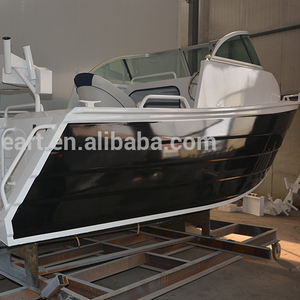
For out-of-gauge (OOG) industrial cargo, marine craft (such as yachts and luxury boats), and heavy project gear, enterprise buyers are utilizing specialized vessel chartering services to circumvent containerized dimensions and secure dedicated berth scheduling.
End-to-end security compliance verified under CTPAT standards significantly minimizes U.S. Customs examination rates. Tier-1 intermodal forwarders guarantee strict security protocols across origin packing, seal integrity, and transit monitoring.
Established with a heritage spanning over four decades of hands-on logistics management, Intertrans Express Inc. operates as a premier FMC-licensed NVOCC and CTPAT-certified international logistics organization. We bridge the operational gap between Chinese manufacturing hubs and destination warehouses across North America, Europe, and Australia.
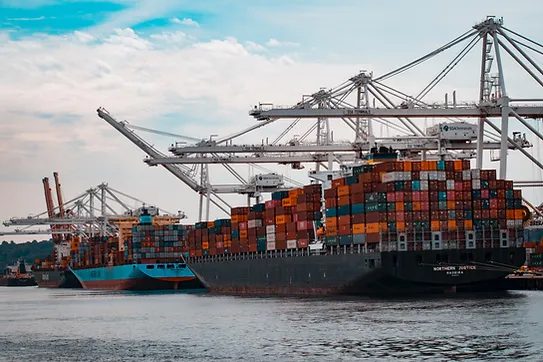
Unlike asset-light freight brokers who outsource critical steps to unvetted subcontractors, our internal infrastructure retains single-file accountability from origin pickup to final dock delivery.
Addressing core operational, compliance, and financial considerations for enterprise buyers importing from China via intermodal channels.
Intermodal freight refers to moving cargo in an standardized ISO intermodal container using multiple modes of transportation—such as rail, ocean vessel, and truck—without handling the cargo itself when changing modes. This reduces cargo handling risk, optimizes shipping speed, and lowers total logistics costs.
Under DDP terms, the seller/forwarder assumes complete responsibility for shipping costs, export/import customs clearance, international duties, tariffs, and final dock delivery. Importers receive their shipment with zero unexpected terminal fees, customs holds, or administrative friction.
An FMC (Federal Maritime Commission) licensed NVOCC possesses legal authorization to issue its own Bills of Lading, publish tariffs, and contract directly with ocean container lines. This ensures regulatory compliance, audited financial bonding, and direct accountability in resolving maritime cargo claims.
Full side-opening 40HQ containers feature full-length side doors allowing side-loading of long-dimension goods, vehicles, industrial machinery, and heavy equipment that cannot easily enter standard rear-door containers via traditional ramp loading.
China-Europe Railway Express transit typically takes 12 to 18 days depending on the European terminal (e.g., Hamburg, Duisburg, Warsaw), compared to 30 to 40 days by ocean vessel. Rail intermodal delivers significant time savings at a cost substantially lower than air freight.
For U.S.-bound intermodal shipments, Importer Security Filing (ISF 10+2) must be submitted electronically at least 24 hours prior to cargo loading at the origin port, alongside the ocean Automated Manifest System (AMS) data. In-house handling guarantees zero filing penalties or customs holds.
Partner with an FMC-licensed NVOCC and CTPAT certified forwarder backed by 40+ years of logistics excellence. Connect directly with our intermodal desk for competitive freight rates, customs guidance, and route planning.