As global industrial capital projects expand across renewable energy, petrochemical processing, infrastructure construction, and mining, procurement directors are increasingly sourcing specialized breakbulk machinery and heavy equipment from top-tier Chinese manufacturers. Managing the transportation of Out-of-Gauge (OOG) and Heavy Lift equipment demands rigorous engineering feasibility, precise maritime load distribution planning, and strict compliance with international customs security programs.
Explore certified heavy transport solutions, specialized container equipment, and door-to-door engineering logistics protocols.
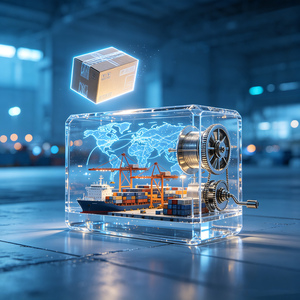
Optimized multi-modal logistics linking key Chinese manufacturing hubs (Shenzhen, Ningbo, Shanghai) directly to North American and European fulfillment centers with end-to-end customs clearance.
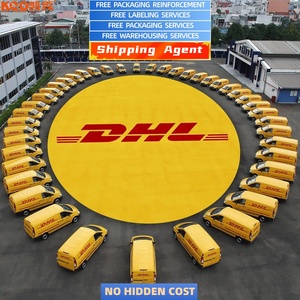
Tailored charter and scheduled air freight services for time-critical industrial components, heavy machinery spare parts, and urgent project equipment with full customs brokerage support.
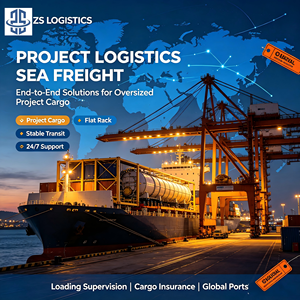
Specialized breakbulk and heavy lift ocean transport designed for oversized machinery, power generation units, and heavy industrial plant modules with certified port captain supervision.
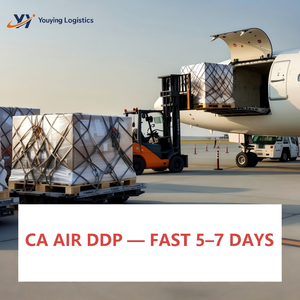
Turnkey logistics management covering oversized inland drayage, specialized permit acquisition, warehousing, and customs entry for major North American engineering projects.
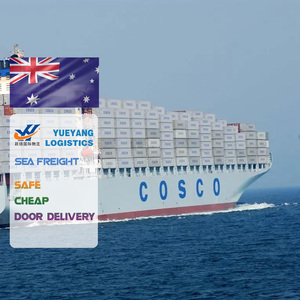
Integrated containerized freight services from Shanghai to South Africa, Australia, and the UK, supporting Open Top (OT) and Flat Rack (FR) heavy load configurations.
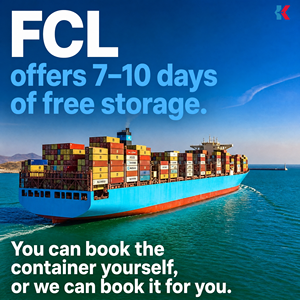
Direct carrier-contracted FCL container allocations ensuring guaranteed space allocation, competitive ocean spot/contract rates, and flexible routing schedules across Transpacific lanes.
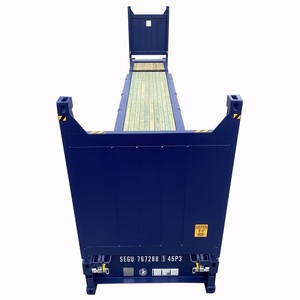
ISO-certified heavy-duty 40ft Flat Rack equipment engineered for extreme load capacities, featuring heavy-securing lashing points for un-containerized industrial manufacturing machinery.

Priority courier and heavy air cargo dispatch backed by IATA-certified dangerous goods (DG) compliance and door-to-door tracking for crucial engineering project components.
Global EPC contracts are shifting from raw component procurement to modularized construction. Chinese manufacturers are producing fully integrated skid-mounted process units, power sub-stations, and pipe-racks. This requires forwarders capable of managing ultra-wide, pre-assembled modules on heavy-lift RORO or multipurpose breakbulk vessels.
Procurement for offshore wind turbine components (jackets, nacelles, 100m+ blades), green hydrogen electrolyzers, and gigawatt-scale transformer stations dominates ocean transport out of China. Transporting these delicate yet massive structures requires advanced FEA structural dynamic analysis during vessel stowage planning.
Overseas buyers are abandoning traditional FOB terms in favor of DDP (Delivered Duty Paid) or DAP project site contracts. This forces Chinese exporters and international forwarders to collaborate deeply, taking total operational responsibility for destination customs clearance, heavy drayage permits, and site crane offloading.
Standard containerized shipping relies on routine handling protocols; however, Project Cargo execution requires civil and marine engineering rigor. Sourcing heavy machinery from Chinese manufacturers demands rigorous verification of lashing point stress tolerances, center-of-gravity (CoG) load distribution on flat racks, marine deck load density (metric tons per square meter), and bridge weight limit clearances during final-mile inland drayage. Partnering with an FMC-licensed NVOCC ensures legal accountability and operational transparency across every maritime link.
How advancements in specialized transport equipment, regulatory frameworks, and green maritime corridor policies are redefining project cargo shipping.
Manufacturers are producing ultra-heavy-duty 40ft Flat Rack containers featuring reinforced floor cross-members capable of carrying concentrated loads up to 50 Metric Tons. On land, the deployment of Self-Propelled Modular Transporters (SPMTs) equipped with hydraulic axle suspension systems allows for the seamless transport of 1,000+ ton refinery reactors from factory yards directly onto heavy-lift barges.
The International Maritime Organization (IMO) carbon intensity regulations (CII and EEXI) are driving heavy-lift vessel owners to modernize their fleets. Project forwarders are chartering dual-fuel methanol or LNG-powered heavy lift ships equipped with high-capacity onboard cranes (up to 1,500T combined lift capacity) to minimize Scope 3 carbon emissions for global buyers.
Before an oversized cargo unit leaves a Chinese manufacturing yard, logistics engineers utilize 3D LiDAR scanning and digital twin simulation software to perform swept-path analyses. This virtual modeling identifies physical obstructions, overhead wire heights, turning radiuses, and bridge load capacities along the inland highway route prior to equipment dispatch.
Navigating global border controls for high-value industrial assets requires compliance with security programs such as CTPAT (Customs-Trade Partnership Against Terrorism) and FMC (Federal Maritime Commission) regulations. Ensuring early Automated Manifest System (AMS) and Importer Security Filing (ISF) filings prevents severe port holds and costly demurrage penalties on specialized carrier equipment.
Combining 40+ years of freight forwarding heritage with direct operational control across North America and Southeast Asia.
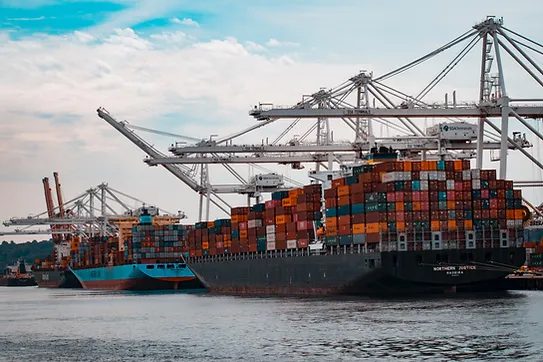
Incorporated with a foundation of four decades of maritime experience, Intertrans Express Inc. operates as an FMC-licensed NVOCC and CTPAT-certified international forwarder. We eliminate the risk of chain-subcontracting by managing booking, lashing engineering, customs brokerage, and final-mile drayage through our dedicated company personnel.
Expert answers to common engineering, regulatory, and shipping questions when importing project cargo from China.
Standard FCL (Full Container Load) shipping utilizes uniform ISO containers (20GP, 40GP, 40HQ) that conform to automated port stacking and crane handling. Project Cargo involves equipment that is Out-of-Gauge (OOG), excessively heavy (Heavy Lift), or legally dangerous (IMDG Hazmat). It requires customized lashing calculations, open-top or flat-rack container stowage, or breakbulk chartering on multipurpose vessels, coupled with specialized route permits and marine surveyor inspections.
The Federal Maritime Commission (FMC) licenses Non-Vessel Operating Common Carriers (NVOCCs) to ensure regulatory compliance, financial bonding, and legal accountability. An FMC-licensed NVOCC can issue its own recognized Bills of Lading, negotiate direct service contracts with ocean lines, and legally process Automated Manifest System (AMS) filings, protecting importers from carrier disputes, arbitrary surcharges, and legal liability.
Flat Rack containers are ideal for machinery exceeding standard container dimensions in width or height but weighing under ~45 Metric Tons, allowing cargo to move on scheduled container liners. Breakbulk ocean chartering becomes necessary when cargo dimensions exceed flat-rack envelopes or when individual unit weights exceed liner container crane limits, requiring specialized multipurpose vessels equipped with heavy-duty ship cranes.
CTPAT (Customs-Trade Partnership Against Terrorism) is a voluntary U.S. Customs and Border Protection (CBP) supply chain security program. Importers operating through CTPAT-certified logistics partners benefit from significantly reduced CBP examination rates, priority processing during port inspections, and access to expedited FAST lanes for final-mile truck drayage, eliminating costly terminal container holds.
Under U.S. Customs regulations, Importer Security Filings (ISF 10+2) and Automated Manifest System (AMS) data must be submitted electronically at least 24 hours prior to cargo loading at the Chinese port of origin. For project cargo, accurate tariff classification (HTS), stowage location data, and buying party identification must be locked in early to prevent severe fines ($5,000+ per violation) or do-not-load (DNL) orders issued by CBP.
Demurrage and detention fees escalate quickly on specialized equipment like Flat Racks or Open Tops. Prevention strategies include pre-clearing customs via advance entry filings, pre-arranging specialized heavy-haul chassis and overweight highway permits 14 days prior to vessel arrival, and securing extended free-time agreements (10-14 days) negotiated directly into the NVOCC ocean carrier contract.
Yes. Our operations team is fully certified in IMDG (Ocean Dangerous Goods) and IATA (Air Dangerous Goods) regulations. We verify dangerous goods manifest declarations (DGD), inspect UN-approved packaging compliance, ensure compatible vessel stowage segregation, and manage hazardous placard placement at Chinese ports prior to ocean export.
To calculate accurate freight rates and engineering feasibility, please provide: exact overall dimensions (Length x Width x Height in cm/inches), total gross weight and center-of-gravity (CoG) location diagrams, lifting point blueprints, origin factory pick-up address, destination project site location, preferred Incoterms (FOB, CIF, DDP), and target cargo ready date.
Connect with Intertrans Express Inc.’s project cargo engineering team today. Receive a comprehensive route survey, lashing assessment, and competitive ocean freight quote for your next heavy machinery shipment from China.