Engineered for extreme duty cycle performance, regulatory compliance, and seamless cross-border multimodal transport integration.
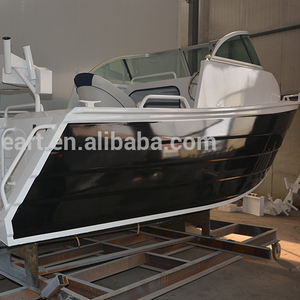
Compact marine craft designed for high-efficiency charter operations, local perimeter survey, and commercial marine freight transport.
Send an Inquiry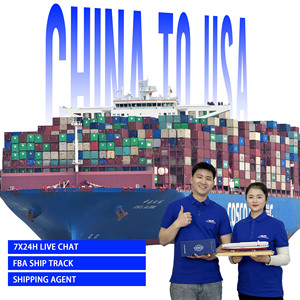
Turnkey commercial chartering solutions tailored for heavy project cargo, intermodal freight exchange, and international maritime corridors.
Send an Inquiry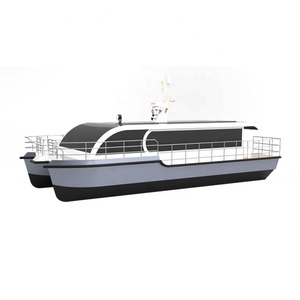
High-displacement twin-hull design ideal for commercial marine harvesting, charter logistics, and high-load maritime transport.
Send an Inquiry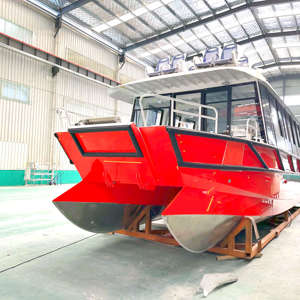
State-of-the-art aluminum catamaran architecture providing fuel-efficient offshore mobility and customizable fleet deployment.
Send an Inquiry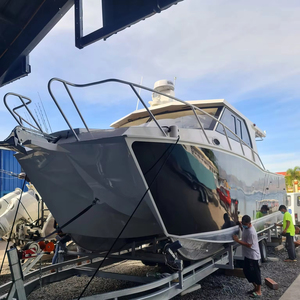
Rugged 5083 marine-grade alloy construction built to withstand rigorous salt-water transport operations and heavy duty cycles.
Send an Inquiry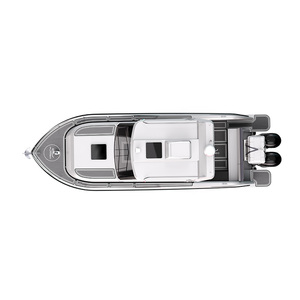
CE-certified high-speed vessel featuring 250HP outboard integration, dual charter utility, and optimized structural endurance.
Send an Inquiry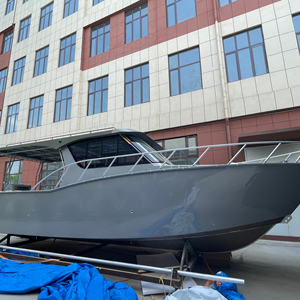
Wide-beam 3.3m stability matrix engineered for commercial transport density, offshore charter operations, and heavy gear loading.
Send an Inquiry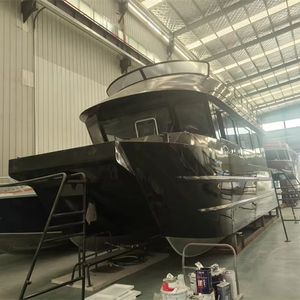
Specially calibrated for Australian ocean safety standards, featuring reinforced transom structure and long-range propulsion efficiency.
Send an InquiryThe contemporary global supply chain network relies upon an intricate synthesis of ground freight manufacturing, intermodal truckload logistics, and specialized maritime vessel export capabilities. As cross-border commerce experiences unprecedented macroeconomic fluctuations, enterprise B2B buyers and supply chain executives can no longer view procurement through a fragmented lens. Ground transport equipment—ranging from heavy-duty chassis trailers, specialized dry vans, and flatbeds to marine-grade commercial charter vessels—forms the backbone of physical asset distribution across North America, Europe, and the Asia-Pacific region.
Achieving operational resilience requires selecting manufacturers and logistics partners certified under rigorous international standards, such as the Federal Maritime Commission (FMC) licensing for Non-Vessel Operating Common Carriers (NVOCC) and the Customs-Trade Partnership Against Terrorism (CTPAT). Integrating heavy equipment manufacturing with end-to-end multimodal transport minimizes lead times, neutralizes demurrage and detention risks, and ensures absolute compliance with customs regulations including Automated Manifest System (AMS) and Importer Security Filing (ISF) mandates.
When procuring high-value ground freight machinery or commercial marine vessels, engineering structural integrity must align with freight forwarding logistics. Lightweight aluminum alloys, anti-corrosive marine plating (such as 5083-H116 aluminum), aerodynamic trailer cowlings, and IoT-enabled telematics are fundamental prerequisites for maximizing lifecycle return on investment (ROI) while minimizing operating expenditures (OPEX).
Key technical modules driving superior reliability across manufacturing and global distribution channels.
Seamless transition architecture between over-the-road (OTR) ground haulage, rail intermodal ramps, and ocean vessel loading staging.
Certified supply chain risk mitigation protocols, facilitating expedited green-lane U.S. Customs entry clearance and reduced physical inspection rates.
Specialized engineering for Out-of-Gauge (OOG) machinery, flat-rack lashing, open-top stowage, and heavy haulage permit routing.
Directly owned corporate infrastructure in Los Angeles, New York, Toronto, and Bangkok governing origin export to final delivery point.
Utilization of high-tensile steel and 5083 marine aluminum alloys ensuring superior payload ratios and structural fatigue endurance.
End-to-end milestone visibility via integrated GPS sensor arrays, container status telemetry, and automated automated customs notifications.
Procuring ground freight machinery and marine export assets requires rigorous technical evaluation. B2B purchasers must balance initial capital expenditures against lifetime operational efficiencies. Key variables include payload dynamic capacity, axle weight distribution limits under DOT regulations, hydrostatic resistance coefficients for marine craft, and resistance to environmental stress cracking.
The matrix below outlines key engineering criteria across leading industrial commercial freight categories:
| Equipment Category | Structural Metallurgy / Material | Optimal Operating Environment | Regulatory Standard Compliance | Target Payload / Capacity Efficiency |
|---|---|---|---|---|
| Ground Freight Dry Vans & Trailers | Composite Panels / High-Tensile Steel | Long-haul Over-The-Road (OTR) / FTL | DOT, FMVSS, ISO 9001 | Up to 48,000 lbs (21,772 kg) GCWR |
| Commercial Aluminum Catamarans (9m-18m) | 5083-H116 Marine Grade Aluminum | Coastal Waterways & Open Ocean Charter | CE Certified, USCG Standards | 8 - 25 Passengers + Gear / Multi-Ton Cargo |
| Heavy Lift Intermodal Chassis | Grade 80 Structural Steel Frame | Port Drayage & Container Ramps | FMC-NVOCC Terminal Specs, CTPAT | ISO Standard 20', 40', 45' High Cube Containers |
| Dangerous Goods (DG) Freight Units | Insulated Stainless Steel / Reinforced Poly | Chemical & Hazmat Transport Corridor | IMDG, IATA, CFR-49 Hazardous Materials | Specialized Segregated Freight Compartments |
When sourcing manufactured transport assets globally, enterprise buyers should enforce the following four-phase qualification workflow:
The ground transport and commercial export manufacturing sectors are undergoing a structural shift driven by decarbonization mandates, autonomous technology integration, and smart material engineering. Supply chain leaders planning fleet expansions over the next decade must account for several emerging trends:
With stringent global carbon regulations taking effect across North America and the European Union (such as the EU Emissions Trading System for maritime transport), ground freight fleets are rapidly transitioning toward battery-electric (BEV) and hydrogen fuel cell (FCEV) prime movers. Commercial charter vessels and workboats are simultaneously incorporating hybrid outboard architectures (such as dual 250HP high-efficiency engines mated to lithium-iron-phosphate auxiliary banks), reducing harbor idling emissions and fuel burn by up to 32%.
Next-generation 2026 center console catamaran designs leverage computational fluid dynamics (CFD) modeling to optimize tunnel ventilation and reduce hull drag. In terrestrial ground freight, composite trailer side-skirts and lightweight aluminum sub-frames enable higher payload limits within legal gross vehicle weight ratings (GVWR), directly translating to lower ton-mile transportation costs.
Modern commercial freight assets are increasingly deployed with embedded telemetry suites. Telematics nodes continuously transmit telemetry data regarding axle bearing temperatures, tire pressure monitoring systems (TPMS), hull strain values, and bilge pumping frequencies directly to centralized fleet management dashboards. This real-time visibility prevents catastrophic equipment failure, extends asset operating lifespans, and streamlines preventative maintenance scheduling.
Global manufacturers are relocating production facilities to regions with robust ocean freight access and streamlined cross-border customs infrastructure. For example, Qingdao marine export hubs paired with direct transpacific shipping lanes to North American gateways (Los Angeles/Long Beach, NY/NJ) enable manufacturers to maintain rapid assembly cycles while ensuring compliant door-to-door delivery.
Exporting high-specification ground freight machinery, commercial vessels, and heavy industrial cargo demands a partner with deep operational experience, regulatory credentials, and a global network. Incorporated in 1999 by an executive team bringing over four decades of combined shipping experience, Intertrans Express Inc. provides a comprehensive single-source transport solution.
As an FMC-licensed Non-Vessel Operating Common Carrier, we issue our own Bills of Lading, giving enterprise shippers direct control over documentation, ocean contracts, and telex release protocols without intermediary delays.
Our validated CTPAT partnership with U.S. Customs and Border Protection ensures audited supply chain security, lower risk scoring, fewer border holds, and expedited entry processing at all major entry ports.
With corporate offices in Los Angeles (HQ), New York, Toronto, and Bangkok, our internal staff directly coordinates export bookings, customs entry clearance, and inland drayage across North America and Asia.
From factory floor pickup and port drayage to FCL/LCL ocean freight, air cargo forwarding, and specialized project cargo (breakbulk, open-top, flat-rack), we manage the entire movement under one unified file.
Whether you are procuring commercial catamaran workboats, importing heavy vehicle components, or arranging cross-border truckload logistics between Canada and the United States, our dedicated logistics specialists align transport routing with your production timeline and inventory constraints.
Explore authoritative answers to common inquiries regarding commercial freight manufacturing export, customs compliance, and shipping management.
Commercial marine exports require CE certification for European destinations or USCG compliance standards for North American waters. For ground transport and heavy equipment, compliance with DOT (Department of Transportation), FMVSS standards, and EPA emissions requirements is mandatory. Furthermore, international sea shipping requires IMDG certification for hazardous components and clean Bill of Lading issuance via an FMC-licensed NVOCC.
CTPAT (Customs-Trade Partnership Against Terrorism) certification signals to U.S. Customs and Border Protection that the supply chain is secured under strict security guidelines. As a result, CTPAT-certified shipments receive lower risk scores, leading to significantly reduced inspection rates, shorter transit delays at port terminals, and priority processing during supply chain disruptions.
FCL (Full Container Load) dedicates an entire ocean container (20', 40', or 40'HC) exclusively to your cargo, offering lower risk of handling damage and faster transit speeds. LCL (Less than Container Load) consolidates smaller cargo loads from multiple shippers into a shared container, making it a cost-effective option for spare parts or smaller components. Oversized boats or heavy machinery may instead require specialized Open Top, Flat Rack, or Breakbulk shipping configurations.
The Automated Manifest System (AMS) and Importer Security Filing (ISF 10+2) are mandatory customs filings required by U.S. authorities. ISF must be submitted electronically at least 24 hours prior to loading cargo onto a vessel bound for the United States. Failure to file correctly or on time can result in severe financial penalties ($5,000+ per violation), hold-at-port orders, and extended demurrage charges.
To receive an accurate landed-cost quotation, shippers should provide: precise equipment dimensions (Length x Width x Height), gross weight, HS Tariff Classification code, preferred Incoterms (e.g., FOB, CIF, DDP), origin address, destination port or final warehouse address, and any regulatory or temperature-control requirements.
Consult with our FMC-licensed operations specialists to map out reliable, cost-effective routing for your heavy equipment, commercial marine vessels, and intermodal transport needs.