Explore our specialized vessel inventory and international ocean consolidation capabilities designed for commercial operations, chartering services, and global payload delivery.
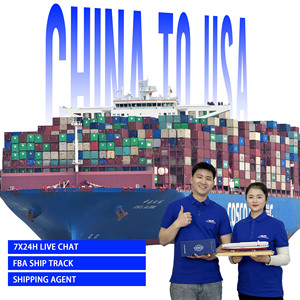
In international maritime logistics, selecting a qualified Less Than Container Load (LCL) shipping supplier requires evaluating structural compliance, carrier access, and single-source accountability. Intertrans Express Inc. operates as an FMC-licensed Non-Vessel Operating Common Carrier (NVOCC) backed by over four decades of combined shipping experience.
Our direct carrier contract framework allows B2B buyers to move low-volume, high-value, or bulk specialized cargo across core Transpacific, Intra-Asia, European, and North American trade corridors without incurring the costs of half-empty Full Container Loads (FCL).
We hold independent Federal Maritime Commission (FMC) NVOCC licensing and active C-TPAT security accreditation, granting direct House Bill of Lading (HBL) issuance and expedited Customs inspection status.
Headquartered in Los Angeles (Alhambra, CA), with full-service owned regional offices in New York, Toronto, and Bangkok, providing uninterrupted multi-time-zone file monitoring and ground execution.
Eliminate middleman compliance holds. Our automated documentation system directly transmits Automated Manifest System (AMS) and Importer Security Filing (ISF 10+2) to U.S. Customs prior to vessel departure.
The ocean consolidation landscape is undergoing rapid technological and regulatory shifts. Procurement directors must align with forwarders equipped for modern digital logistics infrastructure.
Traditional LCL shipping relied on centralized Container Freight Stations (CFS) that often introduced transit lags during cargo sorting. Modern top trusted LCL shipping suppliers utilize micro-hub consolidation networks powered by AI algorithms. Cargo is grouped at origin by destination ZIP/postal code rather than broad regional port zones. This reduces dwell time at origin CFS facilities by up to 35% and enables expedited drayage dispatch immediately upon vessel discharge.
With the International Maritime Organization (IMO) tightening carbon intensity indicators (CII), LCL ocean freight is increasingly favored over carbon-heavy air freight. Top tier suppliers now provide precise carbon emissions tracking per CBM/KG. By optimizing vessel stowage density and selecting modern dual-fuel container ships, consolidated ocean freight allows corporate buyers to fulfill Scope 3 environmental compliance targets without sacrificing schedule reliability.
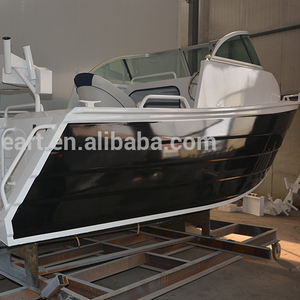
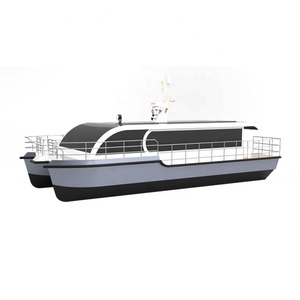
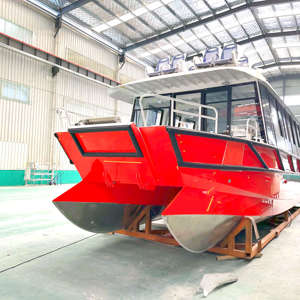
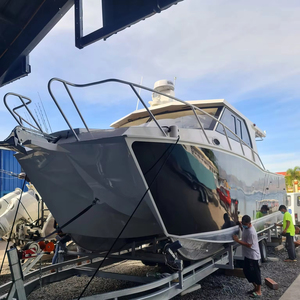
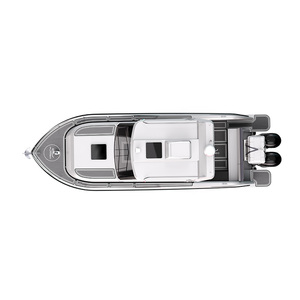
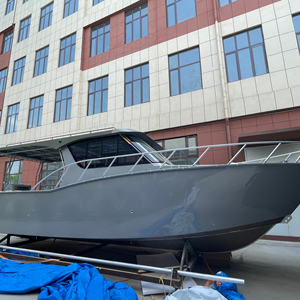
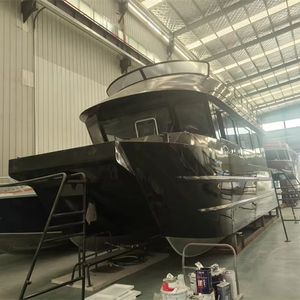
For commercial marine buyers importing luxury charters, aluminum fishing vessels, or catamarans (ranging from 5m to 18m, as shown in our fleet index), shipping logistics requires hybrid chartering and LCL consolidation solutions. Utilizing customized cradle lashing on flat-rack equipment combined with consolidated accessories in dry vans optimizes freight costs while maintaining strict IMDG and safe-stowage engineering standards.
Select the optimal ocean transportation model based on your payload volume, budget constraints, and delivery urgency.
| Logistics Mode | Ideal Cargo Volume | Cost Structure | Customs Clearance Mode | Risk & Handling Level | Recommended Application |
|---|---|---|---|---|---|
| LCL Consolidation | 1 to 15 CBM | Pay strictly per CBM / Weight Ton | Individual HBL Clearance | Managed CFS Handshake | Commercial machinery, boat spare parts, moderate B2B orders |
| FCL (Full Container) | 15 to 70 CBM (20'/40'HC) | Flat Rate per Container Unit | Single Master B/L Entry | Direct Shipper-to-Consignee Seal | Full vessel shipments, high-density finished retail stock |
| Flat Rack / Open Top | Out-of-Gauge (OOG) Heavy Payload | Specialized Equipment Surcharge | Project Cargo Clearance | Rigging & Marine Surveyor Approved | Catamarans, 9m-18m Aluminum Boats, Heavy Industrial Skids |
| Vessel Chartering | Bulk / Multi-Unit Fleets | Lump Sum Charter Party Agreement | Port-to-Port Terminal Entry | Direct Captain & Stevedore Control | Government contracts, commercial fleet deployments |
Navigating supply chain volatility requires moving from reactive booking to strategic procurement frameworks. Key trends shaping future ocean logistics procurement include:
Everything procurement managers need to know about LCL shipping rates, booking security, and international customs clearance.
LCL freight is calculated on a W/M (Weight or Measurement) basis. Rates are applied per Cubic Meter (CBM) or per Metric Ton (1,000 kg), whichever generates the higher value. 1 CBM is equivalent to 1,000 kg. Charges include ocean carriage, origin CFS loading, destination terminal handling (DTHC), and customs documentation fees.
An FMC-licensed NVOCC is legally authorized by the U.S. Federal Maritime Commission to issue its own House Bills of Lading, publish tariffs, and enter direct contract rates with ocean vessel carriers. This ensures legal accountability, cargo financial protection, and direct control over shipment release without third-party broker risk.
Yes. Smaller vessels (such as 5m mini boat yachts) can be crated and loaded into standard high-cube dry vans via LCL. Larger commercial vessels (9m to 18m catamarans) utilize Flat-Rack consolidation or specialized Breakbulk chartering services, backed by custom blocking, bracing, and marine surveyor approval.
Importer Security Filing (ISF 10+2) must be transmitted to U.S. Customs & Border Protection at least 24 hours prior to vessel loading at the foreign port of origin. Automated Manifest System (AMS) data is filed concurrently. Late submissions result in $5,000+ non-compliance penalties per shipment.
As a certified C-TPAT partner, Intertrans Express Inc. offers clients significantly reduced U.S. Customs examination rates, priority processing during security holds, and front-of-line inspection status, resulting in faster terminal turnaround and reduced demurrage risks.
Importers must provide a Commercial Invoice, Detailed Packing List (with exact weights/dimensions per pallet or crate), Master/House Bill of Lading instructions, HTS code classifications, and a signed Customs Power of Attorney (POA) for clearance execution.
Our owned CFS facilities enforce strict cargo segregation guidelines. Heavy industrial machinery or boxed goods are never stowed on top of fragile cargo. All units are strapped, dunnaged, and photo-documented prior to container door sealing.
Port-to-Port covers ocean transit between origin and destination ocean terminals. Door-to-Door includes origin factory pickup, export customs, ocean freight, destination clearance, and final-mile drayage/trucking straight to your warehouse or dock appointment window.