Engineered with marine-grade 5083-H116 aluminum alloys, CE-certified, and tailored for high-efficiency operations across Port Klang, Penang, Kuantan, and East Malaysia maritime corridors.
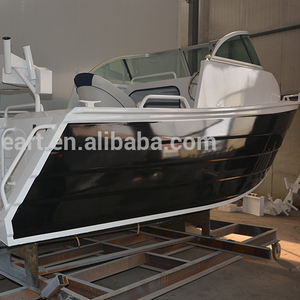
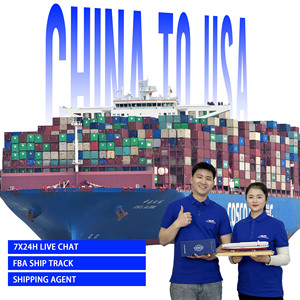
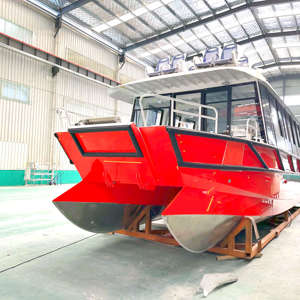
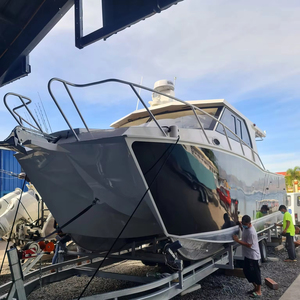
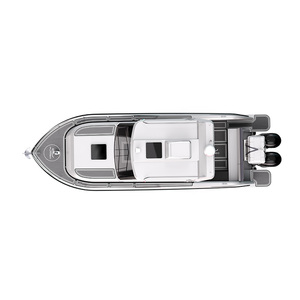
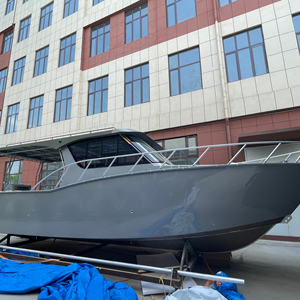
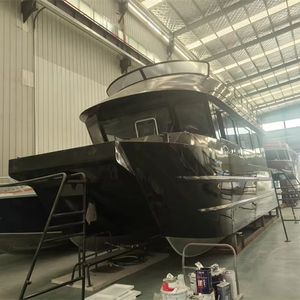
Malaysia occupies one of the most strategic maritime crossroads on earth. Straddling the Strait of Malacca—the vital artery handling over 25% of world sea-borne oil and containerized commerce—and extending across the South China Sea to the resource-rich states of Sabah and Sarawak, Malaysia demands marine hardware and logistics infrastructure built to exacting naval and environmental standards. For global procurers, offshore contractors, and fleet operators seeking reliable cargo shipping manufacturers & exporter for the Malaysia market, navigating this complex landscape requires a partner capable of unifying advanced aluminum vessel fabrication with licensed international freight forwarding.
The Malaysian maritime landscape is undergoing a structural transition driven by the National Transport Policy, the expansion of the Port Klang Free Zone (PKFZ), and the aggressive modernization of East Malaysian ports such as Kuching, Bintulu, and Kota Kinabalu. Operating in these tropical, highly saline, and hydrodynamically demanding waters requires marine transport solutions that minimize total cost of ownership (TCO), prevent marine bio-fouling, and deliver exceptional fuel efficiency during long inter-island transits.
Why Marine-Grade 5083-H116 Aluminum Catamarans Dominate Malaysian Coastal & Offshore Logistics:
When selecting commercial workboats, charter passenger craft, or utility cargo vessels for Malaysian deployment, hull material integrity dictates long-term operating profit. Traditional steel hulls suffer from accelerated galvanic corrosion in the warm, high-salinity waters of the Straits of Malacca, demanding continuous sandblasting and costly dry-docking cycles. Fiberglass (FRP) vessels, while resistant to rust, are susceptible to structural delamination and osmosis degradation under severe equatorial ultraviolet radiation and monsoon sea conditions.
Our manufacturing facilities utilize high-tensile 5083-H116 and 5086-H116 marine-grade aluminum alloy plate cut via high-precision CNC plasma systems. Unlike standard commercial alloys, 5083-H116 undergoes specialized strain-hardening processes, rendering it virtually immune to stress corrosion cracking and pitting in tropical seawater.
| Performance Criterion | 5083-H116 Aluminum Hull | Structural Carbon Steel | Fiberglass (FRP / GRP) |
|---|---|---|---|
| Deadweight-to-Displacement Efficiency | Superior (35% Weight Reduction) | Heavy (High Fuel Burn Rate) | Moderate (Structural Flex Concerns) |
| Galvanic Seawater Corrosion Rate | Negligible (Self-Passivating Layer) | Severe (Requires Continuous Anode Care) | None (Susceptible to Osmosis Blistering) |
| Impact Strain & Deformability | High Yield Ductility (Absorbs Shock) | High Yield (Prone to Puncture under Load) | Brittle Failure under Hard Docking |
| Recyclability & Residual Value | 95%+ Scrap Material Retention | Low Residual Scrap Worth | Zero (Hazardous Disposal Cost) |
| Expected Service Life (Equatorial Seas) | 30+ Years with Minimal Maintenance | 12-15 Years (Intensive Repainting) | 10-15 Years (Structural Fatigue) |
Combining over 40 years of combined maritime logistics expertise with dedicated shipbuilding facilities in Qingdao, China, and global logistics hubs in Los Angeles, New York, Toronto, and Bangkok.
As a licensed Non-Vessel Operating Common Carrier (NVOCC) and CTPAT-certified partner, we issue direct house bills of lading, contract ocean freight space directly with vessel lines, and maintain full liability coverage across the entire shipping route to Malaysia.
Avoid costly demurrage, customs holds, and paperwork discrepancies. Our internal compliance division manages full customs brokerage, Royal Malaysian Customs Department K1/K2/K8 declarations, and automated manifest security filings.
Transporting commercial vessels, catamarans, and heavy industrial machinery requires specialized stowage engineering. We manage Ro-Ro, Flat Rack, Open Top, and custom cradle lashing certified under IMDG safety guidelines.
Every catamaran hull is digitally simulated using Hydrodynamic CFD (Computational Fluid Dynamics) software to optimize wave resistance, reduce engine fuel burn, and provide peak seaworthiness in high sea states.
From our primary production yard in Qingdao directly to your destination slip in Johor, Penang, or Kota Kinabalu, our owned offices in LA, NY, Toronto, and Bangkok monitor every milestone in real time.
Our certified status within the U.S. Customs and Border Protection CTPAT initiative ensures audited supply chain protocols, priority customs processing, and zero tolerance for chain-of-custody breakdowns.
Deploying commercial shipping and aluminum workboats within Malaysia requires precise understanding of localized operational environments. Our engineering and export logistics cater specifically to four core regional sectors:
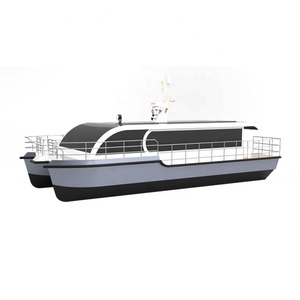
Offshore platforms along the East Coast of Peninsular Malaysia operate under demanding wave climates. Our 11.6m to 18m catamaran utility vessels serve as high-speed crew transfer vessels (CTVs), offering twin-engine redundancy, wide beam stability, and heavy-duty rubber fender systems for safe docking against offshore platforms.
Navigating the shallow reefs surrounding Semporna, Langkawi, and the Tunku Abdul Rahman Marine Park demands shallow-draft hull configurations. Aluminum catamarans provide superior stability for passenger transport, eliminating roll-induced seasickness while guaranteeing zero osmotic hull blistering in warm, shallow coastal zones.
Connecting major hubs such as Port Klang (Westports and Northport) to secondary regional landing points requires agile, fuel-efficient feeder vessels. Our aluminum cargo hulls provide up to 35% fuel savings compared to legacy steel hulls, matching the carbon reduction mandates set by the Maritime Department of Malaysia.
Decarbonization & Hybrid Propulsion Integration: The Malaysian government’s commitment to achieving net-zero greenhouse gas emissions has led maritime operators to seek lightweight aluminum hull forms compatible with dual-fuel LNG, electric hybrid outboard systems, and solar-assisted auxiliary power grids.
Sabah & Sarawak Cabotage Policy Adaptations: Following liberalizations in regional cabotage enforcement, private fleet managers in Kuching and Bintulu are procuring custom multi-role aluminum workboats directly from certified overseas exporters to service localized agricultural and industrial timber transport.
Get tailored vessel specifications, CAD hull line reviews, and complete door-to-port landed cost calculations for the Malaysian market.