Direct factory supply, engineered hardware, prefabricated warehouse structures, and FMC-certified cross-docking freight forwarding solutions optimized for Hungarian importers.
In the contemporary global supply chain landscape, efficiency is no longer merely a competitive advantage—it is the baseline requirement for enterprise survival. As Central and Eastern Europe (CEE) transforms into an advanced industrial and manufacturing powerhouse, Hungary occupies a strategic geographical position at the crossroads of European trade routes. Bridging East-West and North-South transport corridors, including the Pan-European Transport Corridors IV, V, and X, Hungary has become the operational focal point for automotive OEMs, battery mega-factories, consumer electronics assembly plants, and cross-border e-commerce fulfillment hubs.
Cross-docking represents the pinnacle of modern lean logistics—a process wherein incoming shipments from global suppliers, manufacturers, or ocean ports are transferred directly to outbound transit vehicles with minimal to zero intermediate warehouse storage. For enterprise procurement managers in Budapest, Győr, Debrecen, Kecskemét, and Miskolc, implementing robust cross-docking architecture requires two critical pillars: world-class physical infrastructure (such as heavy-duty portable loading ramps, modular steel logistics sheds, and marine-grade river terminal hardware) and an ultra-reliable, licensed freight forwarding execution network.
As a premier Cross Docking Manufacturer & Exporter for Hungary, our organization provides a fully integrated, dual-engine capability. We engineer, manufacture, and export heavy-duty cross-docking platform systems, structural prefabricated steel distribution hubs, specialized marine docking bitts for Danube river transportation, and industrial digital interface hubs. Concurrently, backed by our international FMC-licensed NVOCC and CTPAT-certified logistics operations, we offer complete end-to-end DDP (Delivered Duty Paid) and DDU (Delivered Duty Unpaid) multimodal transportation services from global manufacturing hubs directly to Hungarian industrial parks.
A effective cross-docking ecosystem demands hardware engineered to withstand rigorous multi-shift operational stress, variable climatic conditions, and extreme mechanical loads. Our exported product lineup for the Hungarian market spans four distinct technological categories:
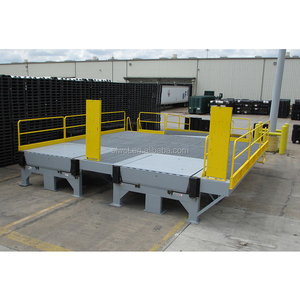
Our 15-Ton Portable Steel Trailer Cross Dock Platforms are constructed with high-yield structural steel, featuring anti-skid serrated steel grating, hydraulic height adjustment ranges (1.1m to 1.75m), and heavy-duty safety curbing to facilitate rapid container loading without permanent concrete ramps.
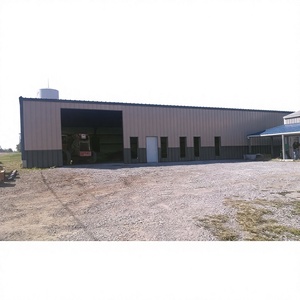
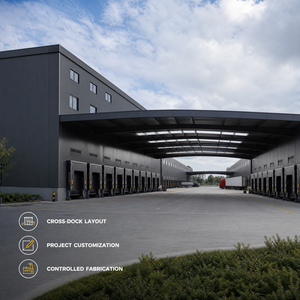
Custom-engineered prefabricated steel structure warehouses and distribution sheds engineered to EN 1090-2 standards. Featuring clear-span designs up to 60 meters, integrated multi-dock door bays, dynamic roof insulation, and rapid bolt-together site assembly.
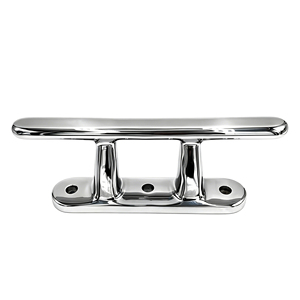
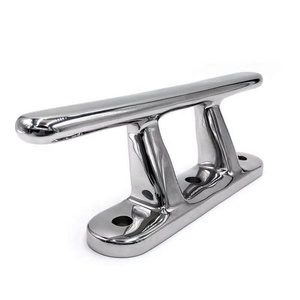
Marine-grade 316 Stainless Steel double cross bollards (10-inch and 12-inch 80° slant configurations) engineered for riverine barging terminals along the Danube, delivering exceptional corrosion resistance and certified bollard pull capacity up to 100 metric tons.
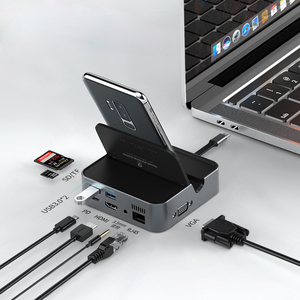
High-speed 9-in-1 Multi-function Type-C docking stations providing multi-monitor 4K display outputs, gigabit Ethernet passthrough, and ultra-fast data transfer for forklift terminals, mobile warehouse management systems (WMS), and cross-dock scanning stations.
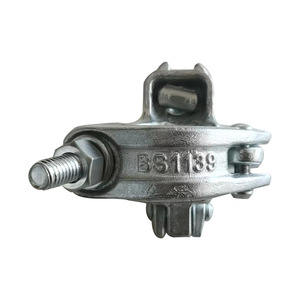
Galvanized forged British cross rotating docking couplers featuring internal suspension beam buckle bolts, delivering structural security for temporary cross-dock scaffolding, mezzanine platforms, and dynamic conveyor bridge assemblies.
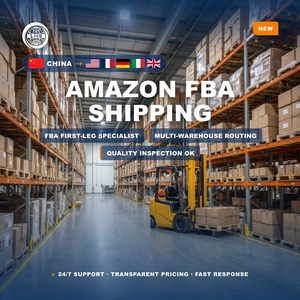
Full door-to-door international forwarder operations managing ocean FCL/LCL, air cargo, and European inland drayage from Asian manufacturing origins straight into Hungarian customs clearance points under unified Bill of Lading execution.
To maximize ROI, cross-docking solutions must be meticulously tailored to the specific regional economic geography of Hungary. Our hardware installations and logistics channels are optimized for four core local operational environments:
Scenario A: Automotive & EV Battery Giga-Factories (Debrecen, Győr, Kecskemét)
Hungary has emerged as Europe’s second-largest EV battery manufacturing ecosystem, anchored by investments from global leaders in Debrecen and established automotive OEM plants in Győr and Kecskemét. In these high-velocity JIT (Just-In-Time) and JIS (Just-In-Sequence) manufacturing zones, raw materials and sub-assemblies arriving in ocean containers via Port of Koper (Slovenia) or Port of Hamburg (Germany) must be cross-docked immediately. Our 15-Ton Portable Steel Dock Platforms enable logistics operators to set up temporary container stripping yards adjacent to assembly plants, bypassing congested warehouse bays. Furthermore, heavy-duty structural steel prefabricated sheds provide weather-protected staging zones for sensitive battery cells and automotive stamping parts prior to line-side feeding.
Scenario B: Danube River Inland Waterway & Intermodal Terminals (Budapest Freeport - Csepel, Dunaújváros, Baja)
The Danube River serves as the maritime backbone of Hungary, connecting Rhine-Main-Danube canal traffic with Black Sea ports. At intermodal river ports such as Budapest Csepel Freeport, bulk industrial cargo, heavy machinery components, and raw steel require heavy-duty mooring and dockside lashing infrastructure. Our 316 Stainless Steel marine double cross bollards (slanted 80 degrees for superior load distribution) provide river barge operators with certified anchoring points capable of handling heavy water level fluctuations and high-tonnage river pushes. Concurrently, galvanized rotating couplers are utilized in dynamic cargo transfer bridge platforms that bridge river barges directly to rail wagons.
Scenario C: Last-Mile E-Commerce & Retail Logistics Ring (Budapest M0 Motorway Beltway)
The M0 ring road encircling Budapest represents the core logistics hub for domestic Hungarian distribution and broader Central European outbound fulfillment (servicing Romania, Slovakia, Serbia, and Croatia). In these high-throughput hubs, parcel sorting density is paramount. Our prefabricated large-span steel distribution centers feature floor layouts devoid of internal load-bearing columns, permitting unrestricted movement for automated guided vehicles (AGVs) and high-speed sorter belts. Within control offices, multi-function Type-C 9-in-1 docking stations connect high-performance WMS terminals with multi-screen monitoring networks, ensuring zero latency in scan-to-manifest processing.
Scenario D: Trans-Balkan & East-West Rail Freight Interchanges (Záhony & Fényeslitke East-West Gate)
Positioned on the EU border, Eastern Hungary handles massive intermodal freight volumes moving between Asia and Western Europe. Cross-docking operations at these rail-to-road junctions rely heavily on robust DDP/DDU logistics forwarding networks that execute immediate T1 customs transit documents, container drayage, and transshipment handling without allowing goods to sit idle in bonded warehouses.
Understanding the macro-environmental vectors shaping Hungarian logistics is critical for enterprise decision-makers evaluating long-term infrastructure investment. Four key trends define the sector:
1. Nearshoring and Supply Chain Re-Regionalization: European industrial enterprises are increasingly shifting production away from far-flung offshore locations toward CEE countries. Hungary is a primary beneficiary. This shift increases the frequency of smaller, higher-velocity cargo shipments across European borders, magnifying the reliance on automated cross-docking facilities over static bulk storage facilities.
2. High-Speed Rail Integration (Budapest–Belgrade Corridor): The ongoing modernization of the Budapest–Belgrade railway line will dramatically accelerate rail freight transit times from Greek ports (Piraeus) into Central Europe. Cross-dock hubs along Southern Hungary (e.g., Szeged) are upgrading their structural facilities with heavy-duty dock ramps and prefabricated loading sheds to absorb containerized block-train transfers.
3. EU Green Deal & Carbon Neutral Warehousing Directives: Strict EU environmental regulations mandate significant reductions in warehouse operational carbon footprints. Static heated warehouses consume vast amounts of energy. Cross-docking structures—particularly open-span prefabricated steel frame sheds utilizing ambient ventilation and solar-ready roofing—align perfectly with corporate ESG targets by drastically reducing energy intensity per pallet handled.
4. Industrial IoT & Hardware Digitalization: The modern cross-dock bay is a high-tech sensor environment. From smart load sensors integrated into 15-ton portable ramps to high-speed Type-C docking stations driving edge-computing telemetry at the dock door, digital hardware integration is now vital for real-time visibility across Hungarian supply chains.
Sourcing heavy industrial equipment or setting up international cross-dock logistics corridors requires an absolute commitment to trust, authority, and verified technical execution. Our corporate background delivers proven E-E-A-T (Experience, Expertise, Authoritativeness, and Trustworthiness) credentials across every file:
For ocean freight routed via the Southern corridor (Port of Koper or Trieste) followed by rail drayage to Budapest, transit times average 26 to 32 days. Air freight direct to Budapest Liszt Ferenc International Airport (BUD) takes 3 to 5 days. Our DDP service covers all origin pickup, export customs, ocean/air leg, Hungarian import VAT/customs clearance, T1 documents, and final truckload delivery directly to your facility.
Yes. All structural steel distribution sheds and prefabricated logistics buildings exported to Hungary are fully compliant with Eurocode 3 (Design of steel structures) and hold EN 1090-2 execution certification. We provide full structural calculation books, mill test certificates (MTC), and CE compliance documentation required for local Hungarian municipal building permits.
Our portable cross-dock platforms are specifically engineered for European winter environments. The driving surface utilizes hot-dip galvanized, heavy-duty serrated steel safety grating that prevents snow and ice buildup, ensuring forklift traction even during freezing rain conditions. Hydraulic systems use cold-climate anti-wear hydraulic oil rated down to -30°C.
While cast iron is common in static sea ports, riverine environments along the Danube experience aggressive seasonal water chemistry shifts, road-salt runoff near bridge piers, and dynamic mechanical abrasion from heavy barge pushes. Grade 316 stainless steel offers superior molybdenum-enhanced corrosion resistance, eliminating rust scaling and extending operational lifespan by over 300% without structural degradation.
Absolutely. Our international logistics desk is fully certified for IMDG (ocean) and IATA (air) dangerous goods handling. We prepare all UN-approved packaging verification, dangerous goods declarations (DGD), ADR road transport compliance, and coordinate specialized bonded temperature-controlled drayage into Hungarian battery assembly hubs.
Whether you require heavy-duty dock hardware, prefabricated steel warehousing, or a complete DDP multimodal shipping solution to Hungary, our engineering and logistics specialists are standing by.