Explore our specialized global freight forwarding and customized clearance solutions engineered for seamless import into the Federal Republic of Germany and broader European Economic Area (EEA) markets.
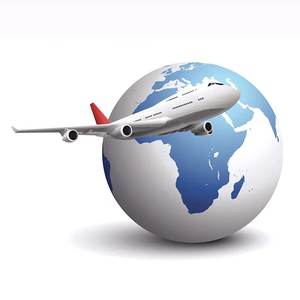
Full-container (FCL) and consolidated (LCL) ocean freight directly servicing Hamburg and Bremerhaven ports, inclusive of European import tax clearance, bonded transit, and fiscal representation.
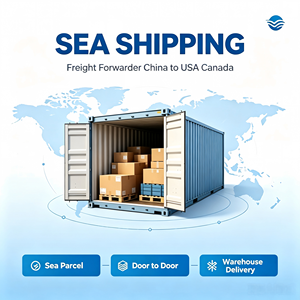
End-to-end door-to-door logistics with complete automated ATLAS system registration, paying pre-calculated customs duties (Zoll) and import VAT directly on behalf of overseas factories.
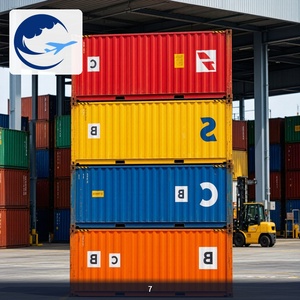
Comprehensive intermodal container transport connecting major global exporter hubs to German industrial centers, managing bonded storage, T1 documentation, and last-mile trucking.
Expedited customs processing tailored for high-priority commercial shipments, ensuring zero terminal delays via pre-lodged electronic declarations and immediate customs release.
Scalable containerized shipping solutions with strict tariff classification oversight, protecting exporters from tariff misclassifications and unexpected European customs penalties.
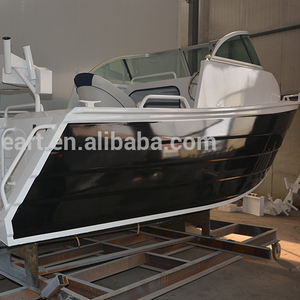
Specialized marine vessel export management, handling complex CE certification verification, hull tariff filing, and out-of-gauge shipping logistics to European harbors.
Full vessel chartering and heavy project cargo coordination for industrial machinery, raw manufacturing inputs, and oversized equipment destined for Rhine-Ruhr industrial hubs.
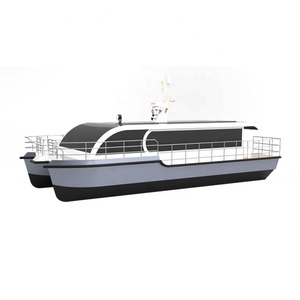
Heavy-lift transport and customs brokerage for commercial-grade catamarans and fishing vessels, ensuring complete tax compliance and international maritime registration clearance.
Exporting manufactured goods to Germany—Europe's largest economy and industrial core—requires navigating one of the world's most rigorous regulatory framework environments. The German Federal Customs Administration (Bundeszollverwaltung) enforces strict European Union customs union mandates, national taxation protocols, and environmental standards. For overseas factories and exporting entities, understanding this architecture is essential to preventing costly port demurrage, cargo seizures, or tariff penalties.
Germany has eliminated paper-based customs declarations in favor of ATLAS, an advanced electronic software system that automates customs processing, duty calculation, and risk assessment. All commercial import declarations must be transmitted digitally through ATLAS. Overseas exporters servicing German buyers must ensure their freight forwarding partner operates native ATLAS API interfaces or works with licensed German customs brokers (Zolldeklaranten) capable of pre-lodging declarations prior to vessel arrival at major gateways such as Hamburg, Bremerhaven, or Frankfurt Airport (FRA).
To declare goods legally within Germany, both overseas factories and domestic German consignees must maintain validated registration profiles:
Customs clearance requirements vary dramatically depending on the geographic destination, industrial vertical, and logistics infrastructure within Germany. Our specialized DDP and customs agent programs cater directly to key localized economic regions:
Delivering precision components, auto parts, and specialized tooling directly to manufacturing plants in Stuttgart, Munich, and Nuremberg requires strict Just-in-Time (JIT) customs release. Utilizing ATLAS pre-clearance and bonded trucking ensures parts transition from port to factory floor without line-stoppage risks.
Heavy-lift machinery and vessel charters moving into Duisburg—the world's largest inland port—require specialized T1 transit bonds. Goods clear customs directly at inland customs offices (Binnenzollamt), avoiding coastal port congestion and minimizing handling costs.
For factories shipping high-volume consumer goods to major fulfillment centers in Bad Hersfeld, Kobern-Gondorf, or Leipzig, our DDP customs service manages EU Import One-Stop Shop (IOSS) rules, CE compliance verification, and localized German labeling requirements.
Overseas manufacturers must adapt to new European green compliance directives and trade regulations enforced heavily by German authorities between 2025 and 2030:
The EU's CBAM policy targets carbon-intensive imports including steel, aluminum, cement, fertilizers, electricity, and hydrogen. Exporters to Germany must establish validated embedded emissions accounting systems. Customs clearances now require reporting verified greenhouse gas data; non-compliant factories face financial surcharges and clearance rejections at German ports.
German buyers are legally mandated to monitor their international supply chains for human rights and environmental violations. Overseas factories supplying German enterprises must provide transparent compliance records. Working with a CTPAT-certified logistics partner ensures documented chain-of-custody verification from origin loading to final recipient delivery.
Industrial machinery, marine craft (such as charter vessels and electric boats), and electronics containing battery systems must comply with strict EU recycling, hazardous substance declarations, and digital passport tracking before clearing German customs inspection.
With over four decades of operational excellence as an FMC-licensed NVOCC and CTPAT-certified freight forwarder, Intertrans Express Inc. provides an unmatched logistics foundation for global supply chains moving cargo into Germany:
We issue our own official Bills of Lading, manage ocean carrier space contracts directly, and uphold strict supply chain security standards that minimize customs inspections at destination ports.
Our operational framework handles ATLAS filings, EORI registration validation, duty deferral structures, and localized T1 transit paperwork under unified file control.
From factory pick-up to ocean container stowage, air freight express routing, and final-mile drayage across German autobahns, overseas buyers deal with one single accountable team.
Under DDP (Delivered Duty Paid), the exporter/seller assumes complete financial and operational responsibility for customs clearance, customs duties (Zoll), import VAT (Einfuhrumsatzsteuer), and transport to the buyer's door. Under DDU (Delivered Duty Unpaid, or DAP), the buyer pays import duties and clears customs through ATLAS upon arrival. DDP provides a frictionless experience for German buyers but requires the seller to have proper EU customs representation.
Yes. Non-EU factories can clear goods under DDP terms by appointing an indirect fiscal representative (Indirekter Stellvertreter) or a licensed German customs broker. The representative acts as the legal declarant in the ATLAS system, utilizing their EU EORI number and customs guarantee bond.
Standard electronic ATLAS clearance for compliant shipments with pre-lodged documentation takes between 1 to 4 hours after container discharge. However, if customs flags a container for physical examination (Zollbeschau) or documentation audit, release can take 2 to 5 business days. Working with a CTPAT-certified forwarder drastically reduces inspection probability.
Mandatory documents include: Commercial Invoice (specifying Incoterms, HS Codes, currency, and value), Packing List, Master/House Bill of Lading or Air Waybill, CE Declaration of Conformity (for machinery/electronics), Certificate of Origin (where preferential tariff rates apply), and T1 Transit Documents if moving inland under bond.
Customs duty is calculated on the CIF value (Cost, Insurance, and Freight to the EU border). Import VAT (19%) is subsequently applied to the combined total of the CIF value PLUS the calculated customs duty amount PLUS any internal EU transport fees to destination. Using structured duty deferral accounts optimizes liquidity management.
Eliminate customs delays, ensure 100% ATLAS compliance, and secure competitive ocean and air freight rates with our certified team of international forwarding experts.
Contact Us