Direct carrier allocations, intermodal equipment, and specialized freight management solutions engineered for Italian importers and industrial enterprises.
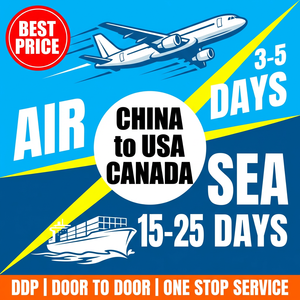
End-to-end multimodal transport from major Asian ports directly to Italian commercial hubs (Milan, Rome, Bologna). Includes customs brokerage, T1 transit documentation, and bonded storage.
Get a Quote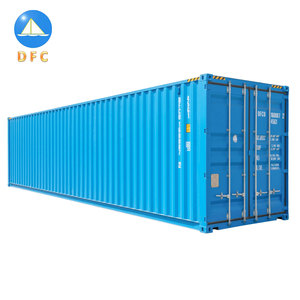
Heavy-duty ISO standard intermodal steel shipping containers engineered for intercontinental maritime transit, secure warehouse storage, and specialized industrial conversions in Italy.
Get a Quote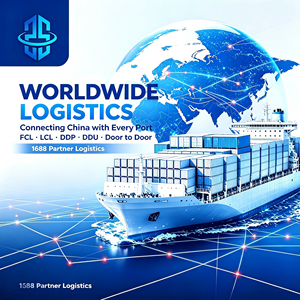
Tailored logistics solutions for Italian micro-importers and e-commerce brands sourcing directly from Chinese supply nodes. Consolidated container loading with full DDP/DDU clearance.
Get a Quote
Specialized supply chain routing for Italian auto parts distributors and tier-2 automotive manufacturing vendors in Turin, Modena, and Lombardy, ensuring just-in-time delivery.
Get a Quote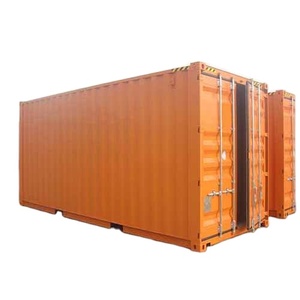
Certified CSC-plated 20-foot dry containers built with high-grade Corten steel. Optimized for ocean freight imports, industrial dry cargo transport, and port-side storage.
Get a Quote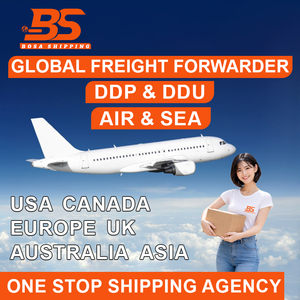
High-speed multimodal freight forwarding tailored for time-sensitive commercial inventory. Features priority air lift options, continuous milestone tracking, and seamless terminal handoffs.
Get a Quote
Consolidated air freight and courier solutions (DHL/UPS/FedEx/TNT integrations) paired with bonded European warehousing for high-value merchandise entering Italy.
Get a Quote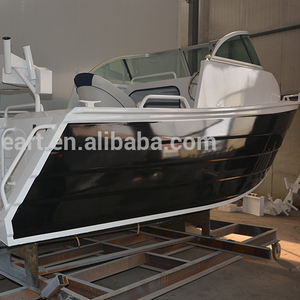
Specialized flat-rack, breakbulk, and out-of-gauge shipping solutions for maritime craft, yachts, and marine equipment destined for Italian shipyards (Viareggio, Genoa, Venice).
Get a QuoteAs the third-largest economy in the European Union and the manufacturing heartbeat of Southern Europe, Italy occupies a unique geopolitical and logistical position in global trade. Operating as the primary maritime bridge connecting the Asia-Pacific maritime routes, North American industrial exporters, and the Middle Eastern resource hubs with Western and Central European consumer markets, Italy’s logistics network requires sophisticated, compliance-driven forwarding frameworks. Importers operating within the Italian economic territory must navigate a complex matrix of European Union customs mandates, maritime port congestion, regional inland distribution bottlenecks, and stringent tax (IVA/VAT) compliance standards.
For international manufacturers, logistics factories, and global suppliers, establishing a resilient supply chain into Italy requires more than simple booking agency services. It demands an integrated Non-Vessel Operating Common Carrier (NVOCC) partner capable of executing direct ocean freight consolidation, managing cross-border customs declarations under the Italian Customs and Monopolies Agency (Agenzia delle Dogane e dei Monopoli - ADM), and deploying synchronized multimodal transportation across major entry portals such as the Port of Genoa, Port of Trieste, Port of La Spezia, and Milan Malpensa Airport (MXP).
SEO Information Gain Insight: Navigating Italian freight import regulations requires precise alignment between ocean carrier vessel schedules and inland rail-truck corridors (such as the Rhine-Alpine and Baltic-Adriatic TEN-T Corridors). Partnering with an FMC-licensed NVOCC ensures single-point accountability from Asian/American origin factories to Italian warehouse docks.
In recent years, the Italian industrial sector—spanning high-end automotive engineering in Emilia-Romagna's "Motor Valley," fashion and textile manufacturing in Lombardy and Tuscany, and industrial machinery across Veneto—has undergone significant structural supply chain shifts. Key macro trends impacting procurement and forwarding architecture include:
Global supply chain efficiency depends heavily on matching specific logistics product configurations with the unique geographical and operational requirements of local Italian buyers. Intertrans Express Inc. bridges global manufacturing nodes with local destination execution through tailored multimodal services:
Ideal for large-scale industrial machinery manufacturers in Lombardy and Veneto importing heavy steel components or mass raw materials. Direct carrier calls into Genoa (VTE Terminal) and La Spezia ensure minimal transit times and reduced demurrage risks.
Designed for mid-sized Italian enterprises, e-commerce vendors, and specialty retailers purchasing lower volume inventory from Asian suppliers. Weekly consolidations are unpacked at customs-bonded warehouses in Milan for rapid final-mile distribution.
Essential for high-value fashion houses in Milan and Florence, pharmaceutical exporters, and time-critical automotive spare parts for the Modena Motor Valley. Priority charter and scheduled airline uplift via Milan Malpensa (MXP Cargo City).
Below is an operational matrix outlining how our core logistics products serve specific industry sectors across Italy:
| Logistics Product | Primary Entry Port / Airport | Target Italian Industry | Key Regulatory & Operational Feature |
|---|---|---|---|
| China-to-Italy FCL Ocean Freight | Port of Genoa / Port of La Spezia | Industrial Machinery, Chemical, Electronics | Direct Carrier Contracts, Free Time Storage Negotiation, T1 Transit Document Control |
| ISO 20ft / 40ft Steel Containers | Port of Trieste / Ravenna | Construction, Modular Housing, On-Site Storage | CSC Safety Certification, Weatherproof Corten Steel, Intermodal Rail-Ready Specs |
| ZS Logistics 1688 LCL Consolidation | Milan Logistics Hub (Liscate / Segrate) | E-commerce, Consumer Goods, Textile Fabric | De-consolidation in Bonded Warehouse, Combined VAT & Duty Billing (DDP Terms) |
| Automotive Accessory DDP Logistics | La Spezia / Bologna Freight Village | Automotive Manufacturing (Turin, Modena) | Just-In-Time (JIT) Dock Scheduling, Specialized Part Number Labeling & Inspection |
| Marine & Yacht Logistics (Cuddy Boats) | Viareggio / Genoa / Venice | Nautical Sector, Yacht Charters, Marine Equipment | Flat-Rack Equipment, Out-of-Gauge (OOG) Lashing Surveys, Special Escort Permits |
The Italian transport and logistics sector is experiencing rapid transformation driven by technological innovation, environmental mandates, and changing trade policies. Global factories and Italian buying houses must align their supply chain operational procedures with these emerging macro trends:
Historically, Northern European ports (Rotterdam, Antwerp, Hamburg) captured a significant share of cargo destined for Northern Italy via long-haul trucking over the Alps. However, rising carbon taxes, driver shortages in Northern Europe, and fuel costs have triggered a massive shift back to the Mediterranean Southern Corridor. Ports like Genoa and Trieste allow ocean vessels originating in Asia to bypass the long voyage around the Iberian Peninsula, reducing maritime transit times by up to 4 to 6 days. Consequently, international suppliers who route cargo directly into Italian gateways gain a decisive time-to-market advantage.
With the integration of maritime shipping into the European Union Emissions Trading System (EU ETS), ocean carriers now incur carbon allowances for emissions on voyages calling at EU ports. This regulatory change directly impacts freight rate structures. Forward-thinking freight forwarders like Intertrans Express assist buyers by optimizing container load factors (maximizing payload per TEU) and utilizing fuel-efficient vessel strings, thereby mitigating carbon tax surcharges on Italian import shipments.
Italy boasts one of Europe’s most advanced networks of inland dry ports, known locally as Interporti (e.g., Interporto di Verona, Interporto di Bologna, Interporto Rivalta Scrivia). Modern supply chain strategies heavily rely on transferring containers directly from ocean terminals onto electrified block trains bound for these inland intermodal nodes. This approach bypasses highway congestion, lowers carbon footprints, and enables seamless customs clearance close to final destination factories.
Founded on over four decades of operational expertise, Intertrans Express Inc. stands out as a premier FMC-licensed NVOCC and CTPAT-certified international logistics organization. Unlike brokers who subcontract core responsibilities, our in-house operational desks directly control documentation, carrier bookings, and customs compliance.
By keeping documentation control under a single accountable team, overseas suppliers and Italian buyers avoid the administrative delays, unexpected demurrage fees, and misclassified tariff penalties common when dealing with fragmented broker chains.
Essential guidance for trade compliance officers, procurement directors, and supply chain managers shipping goods into the Italian territory.
Connect with our senior logistics directors to analyze your lane schedules, review duty optimization strategies, and receive competitive ocean, air, or intermodal freight quotes.
Get a Quote