Intermodal Freight Manufacturer & Suppliers in Australia

Strategic Multimodal Infrastructure, ISO Containers & End-to-End Supply Chain Solutions

Industry Insight Whitepaper

Optimizing Australian Supply Chains Through Advanced Intermodal Engineering

As Australia’s freight task expands exponentially toward a projected 30% growth in domestic ton-kilometers over the next decade, logistics managers, industrial manufacturers, and procurement heads face unprecedented pressures. Navigating the complex geographical vastness from coastal maritime hubs like Port Botany, Port of Melbourne, and Port of Brisbane to Australia’s hinterland and regional mining basins requires high-performance intermodal freight solutions. This industry report evaluates the latest equipment engineering, localized intermodal network integration, biosecurity compliance protocols (DAFF BICON standards), and sustainable multimodal transport infrastructure designed specifically for Australia’s demanding supply chain ecosystem.
40+
Years Industry Expertise
FMC & CTPAT
Global Licensed Authority
100%
Australian Port Coverage
Tier-1
Intermodal Carrier Contracts
Featured Equipment & Transport Fleet

Intermodal Containers & Multimodal Freight Services

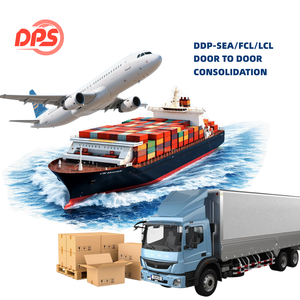
China to Global Rail Truck Intermodal DDP Freight Solutions

China to Global Rail Truck Intermodal Transport DDP Door to Door Freight Solutions

Fully integrated multimodal DDP forwarding connecting Asian manufacturing networks with Australian regional distribution hubs via streamlined rail and road feeds.

Contact Us
Shipper Full Side Open 40HQ Intermodal Container

Shipper Full Side Open 40HQ Container Easy Vehicle Loading Multimodal Ocean FCL Freight Box

High-cube full side access ISO container engineered for rapid side-loading of heavy vehicles, long timber, machinery, and oversized mining equipment.

Contact Us
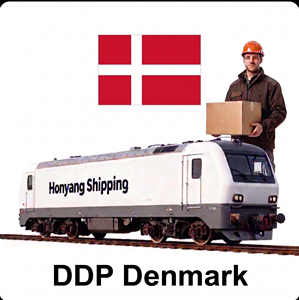
Shipping From China To Australia Logistics Consolidation

Shipping From China To Australia International Logistics Air Sea Freight Consolidation Warehouse Service

Dedicated Transpacific and Australasian ocean/air consolidation programs supported by origin warehousing, de-consolidation, and local Australian drayage.

Contact Us
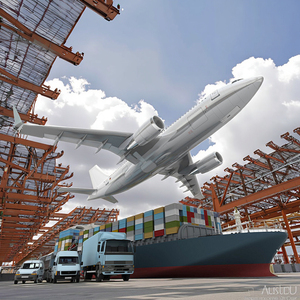
DDP Freight Forwarder Sea Multimodal Transport

DDP Freight Forwarder with Sea/Multimodal Transport Global Shipping Agent LCL+Express Integration

End-to-end duty-paid freight operations featuring tailored customs brokerage, last-mile express dispatch, and real-time container status tracking.

Contact Us
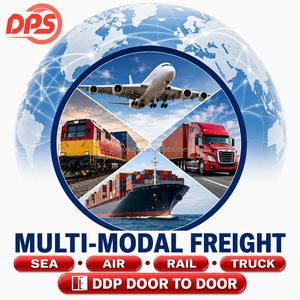
One Stop Multimodal Freight Forwarder Worldwide

One Stop Multimodal Freight Forwarder China To Worldwide DDP Door To Door Intermodal Service

Comprehensive multi-tier logistics handling air, sea, and road freight seamlessly managed under a single NVOCC master bill of lading.

Contact Us
International Freight Agent Direct Intermodal Logistics

International Freight Agent Direct Multimodal Container Intermodal Cargo Solutions

Direct line container allocations ensuring guaranteed vessel space, priority equipment access, and minimized port dwell times for bulk import programs.

Contact Us
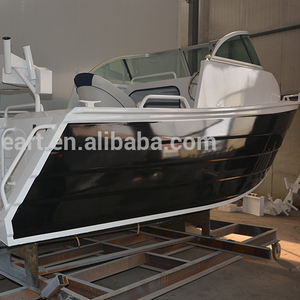
5m Cuddy Cabin Mini Boat Intermodal Transport

Specialized Marine & Recreational Vessel Transport 5m Cuddy Cabin Boat Shipping Solutions

Engineered cradle mounting, specialized flat-rack containerization, and protective shrink-wrapping for high-value marine and leisure craft freight.

Contact Us
Chartering Services for Vessel Rentals

Heavy Lift & Project Cargo Chartering Services for Global Vessel Rentals

Full and part-charter vessel options dedicated to out-of-gauge industrial plant components, heavy machinery, and mining infrastructure imports.

Contact Us
Localized Application Scenarios

Deploying Intermodal Freight Systems Across Australian Supply Corridors

Australia’s distinct economic geography—characterized by concentrated coastal urban centers separated by vast, demanding terrain—requires specialized intermodal application frameworks. Standard freight approaches often fail to address Australia's unique payload weight restrictions, climate extremes, and stringent quarantine laws. Below are key sector applications where customized intermodal equipment drives operational efficiency.

1. Mining & Heavy Industrial Logistics (Pilbara, Bowen Basin, Hunter Valley)

Extractive industries operating in remote locations such as Western Australia’s Pilbara or Queensland’s Bowen Basin require specialized heavy-duty intermodal containers. Utilizing 40HQ Side-Open Containers and Reinforced Flat Racks allows for seamless transfers of heavy mechanical spares, drill bits, and structural steel between coastal discharge ports (Fremantle/Dampier) and heavy rail road trains, bypassing double-handling delays.

2. Agricultural Export & Cold Chain Logistics (Regional VIC, NSW & QLD)

Australia's agricultural exports—ranging from grain and cotton to temperature-sensitive beef and dairy—depend on seamless intermodal connectivity. High-cube reefer containers equipped with remote telemetry move via rail from inland hubs like Parkes, Wagga Wagga, and Toowoomba directly onto marine terminals in Melbourne, Sydney, and Brisbane, maintaining unbroken cold chains.

3. FMCG & Retail Distribution Along the East Coast Corridor

Major retail chains and e-commerce operators leverage double-stacked rail intermodal corridors linking Melbourne, Sydney, and Brisbane. Using standardized 20ft and 40ft ISO intermodal boxes enables rapid intermodal terminal cross-docking, reducing urban road congestion and lowering carbon footprints by up to 65% compared to long-haul road transport alone.

4. Renewable Energy Projects & Infrastructure (Regional Energy Zones)

The rollout of solar, wind, and battery projects across regional Australia requires out-of-gauge intermodal freight services. Custom chartering, combined with specialized heavy-lift trailers and open-top containers, ensures fragile solar modules and massive turbine components reach remote renewable energy zones (REZ) safely.

Market Intelligence

Key Intermodal Growth Trends Shaping Australia’s Logistics Future

Understanding macro trends within the Australian freight industry is essential for procurement leaders seeking to build resilient supply chains. Several structural shifts are fundamentally altering how intermodal equipment is manufactured, specified, and deployed across the continent:

  • The Inland Rail Project Transformation: The 1,600km Inland Rail project connecting Melbourne and Brisbane via regional New South Wales is modernizing Australian freight distribution. By enabling 10-hour transit improvements and double-stacking capacity, demand is surging for high-yield intermodal containers featuring optimized tare weights.
  • Strict Biosecurity & BMSB (Brown Marmorated Stink Bug) Protocols: Australia’s Department of Agriculture, Fisheries and Forestry (DAFF) enforces strict seasonal biosecurity measures. Suppliers must ensure intermodal container designs permit efficient offshore heat treatment or gas fumigation to prevent cargo holds at Australian ports.
  • Decarbonization & ESG Mandates: Major Australian companies are actively targeting Scope 3 emissions reductions. Shifting freight from highway transport to rail-based intermodal systems reduces greenhouse emissions by roughly 75% per ton-kilometer, driving demand for intermodal equipment certified under international sustainability frameworks.
  • Smart Containerization & Telematics: Modern intermodal fleets operating in regional Australia are increasingly integrated with IoT sensors monitoring door status, internal humidity, temperature variances, and shock exposure during rail shunting operations.
Why Partner With Us

Enterprise Strengths & Proven Operational Excellence

Backed by more than 40 years of combined international freight forwarding experience, our organization operates as a fully licensed NVOCC and CTPAT-certified partner. We combine global logistics capabilities with dedicated Australian port execution.

FMC-Licensed NVOCC & CTPAT Certified

We issue our own ocean bills of lading, execute in-house AMS/ISF filings, and maintain audited supply chain security protocols that minimize customs hold risks.

40+ Years Operational Heritage

Founded in 1999 by industry veterans, our team delivers deep expertise across ocean freight, air cargo, domestic drayage, and complex project cargo.

Owned Hub Network & Global Reach

With direct corporate hubs in Los Angeles, New York, Toronto, and Bangkok—complemented by established agency networks across Australia—we maintain full file control.

Customs Clearance & DAFF Compliance

Our dedicated customs desk manages Australian Border Force (ABF) tariff classifications, GST/LCT treatments, biosecurity permits, and seasonal BMSB clearances.

Direct Ocean Carrier Contracts

Tier-1 ocean carrier space guarantees enable competitive FCL/LCL pricing, priority container equipment releases, and reliable allocations on busy trade routes.

Specialized Out-of-Gauge & DG Freight

Certified hazardous cargo (IMDG/IATA) specialists and project logistics planners managing heavy-lift, flat rack, and breakbulk movements end-to-end.

Help & Guidance

Frequently Asked Questions by Australian Procurement Teams

What structural standards must intermodal containers meet for Australian rail networks?
Containers deployed on Australian rail corridors (such as ARTC managed lines) must comply with ISO 1496/1 standards for structural strength, corner casting tolerances, and stacking capacity. Additionally, they must adhere to Heavy Vehicle National Law (HVNL) axle weight limits during last-mile road transport on Australian trailing equipment.
How do you handle Australian biosecurity (DAFF BICON) and BMSB regulations?
We coordinate offshore treatment (sulfuryl fluoride fumigation or heat treatment) at certified target risk origin points prior to vessel loading during the seasonal window (September 1 to April 30). All documentation is verified prior to vessel arrival at major Australian ports to ensure seamless clearance by Australian Border Force and DAFF officers.
What is the advantage of using a 40HQ Full Side Open Container for industrial cargo?
Full side open containers feature bi-folding side doors that expose the entire length of the container floor. This design facilitates lateral loading of long or heavy industrial items using forklifts, significantly reducing packing times and eliminating the need for expensive crane lifts required for standard end-opening units.
What is the typical transit schedule for sea freight from Asian origins to main Australian ports?
Direct ocean sailings from main Asian ports (Shanghai, Ningbo, Shenzhen) to Sydney (Port Botany), Melbourne, and Brisbane typically average 11 to 16 days port-to-port. Transit to Adelaide and Fremantle ranges from 14 to 20 days depending on transshipment calls.
Can your team coordinate multimodal DDP (Delivered Duty Paid) door-to-door shipping into regional Australia?
Yes. Under our door-to-door DDP services, we manage international ocean/air freight, origin export declarations, Australian customs entries, import taxes (GST), biosecurity inspections, and final-mile road or rail transport directly to your regional warehouse or job site.

Request a Customized Australian Intermodal Quote Today

Speak with our intermodal freight specialists to analyze your supply chain requirements, select the optimal equipment, and secure guaranteed space allocations.

Contact Us