High-performance aluminum catamarans, chartering vessels, and multi-purpose support boats engineered for Mediterranean marine deployment and port logistics operations.
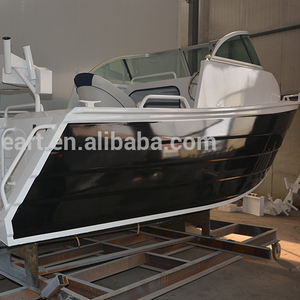
Compact utility vessel ideal for rapid port inspections, shallow water surveys, and harbor personnel transfer in Barcelona port terminals.
Send an Inquiry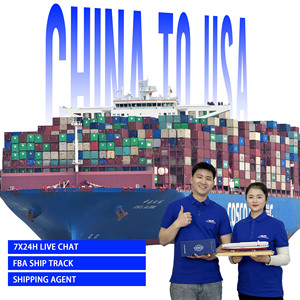
Tailored rental programs servicing transatlantic corridors, bridging Barcelona with North America, UK, France, Germany, and the Netherlands.
Send an Inquiry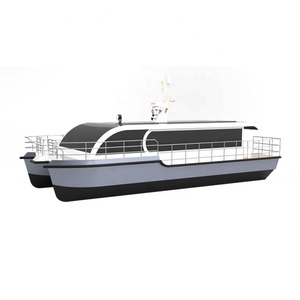
Heavy-duty dual-hull design offering high stability for offshore fishing, hydrographic research, and Mediterranean marine logistics duties.
Send an Inquiry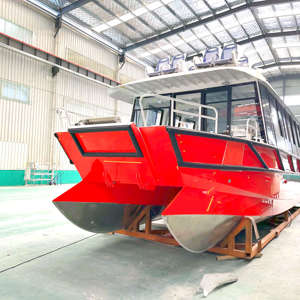
Precision-engineered aluminum catamaran featuring high-speed capabilities and deck versatility for commercial chartering fleets.
Send an Inquiry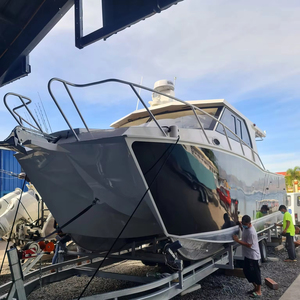
Corrosion-resistant marine-grade aluminum craft optimized for low-fuel consumption coastal operations and commercial charter sales.
Send an Inquiry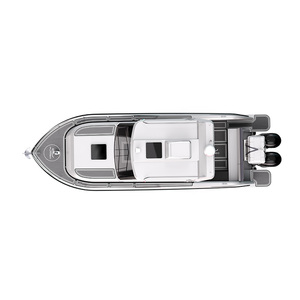
CE-marked 250HP aluminum vessel accommodating 8 passengers, tailored for executive coastal transfers and Mediterranean party cruises.
Send an Inquiry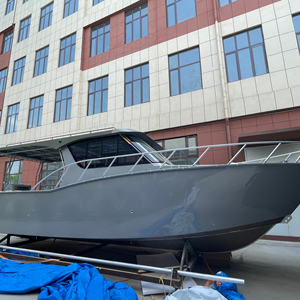
Spacious 11-meter aluminum hull designed for commercial passenger shuttle operations, island connectivity, and charter services.
Send an Inquiry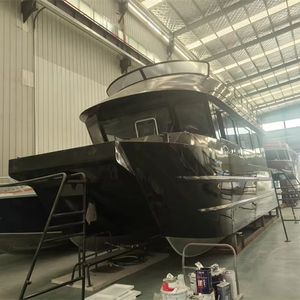
Next-generation outboard sport catamaran built for high seaworthiness, long-range coastal transit, and multi-role maritime duties.
Send an InquiryThe Port of Barcelona (Port de Barcelona) serves as Catalonia's main economic engine and stands as the premier maritime logistics gateway connecting the Iberian Peninsula, North Africa, and Southern Europe with Transpacific and intra-Mediterranean ocean routes. As global trade shifts toward stricter environmental metrics, digital compliance, and resilient regional supply chains, selecting a qualified Maritime Logistics Supplier serving the Barcelona market requires an integrated evaluation of vessel engineering, FMC-licensed ocean freight forwarder networks, and bonded inland logistics.
This industry report examines the convergence of commercial aluminum vessel deployment, non-vessel operating common carrier (NVOCC) frameworks, customs entry procedures at the Zona d'Activitats Logístiques (ZAL Barcelona), and the structural decarbonization trends reshaping Mediterranean shipping corridors.
Direct synchronization with Port of Barcelona container terminals (BEST & APM) and ZAL logistics parks to streamline door-to-door transit times.
Fully compliant ocean freight documentation, direct AMS/ISF transmission, and validated supply chain security under U.S. CBP and EU customs authorities.
Specialized heavy-lift, flat-rack, and breakbulk engineering for shipping commercial boats, catamarans, and industrial marine equipment worldwide.
Maritime suppliers operating within the Barcelona radius must cater to diverse nautical and industrial demands. The geographic layout of the Balearic Sea, combined with the dense industrial hinterlands of Tarragona, Girona, and the broader Catalan industrial belt, dictates specialized vessel deployment and freight logistics workflows.
The constant traffic of mega-containerships, LNG carriers, and cruise liners entering the North and South entrances of Port de Barcelona requires rugged, highly maneuverable crew transfer vessels (CTVs). High-speed aluminum catamarans—such as the 11.6m Center Console Catamaran and 5m Cuddy Cabin Workboats—provide low-draft performance and superior roll stability. Marine service operators leverage these lightweight aluminum hulls to reduce fuel consumption during daily pilotage and offshore maintenance runs.
With ongoing port expansion initiatives focusing on quay electrification (cold ironing) and dock deep-water dredging, marine construction entities in Barcelona require stable platforms for bathymetric surveying, environmental sampling, and diver support. Catamaran hull configurations (ranging from 10m to 18m) provide wide deck areas capable of accommodating multi-beam echo sounders, hydrographic winches, and modular work gear.
Barcelona serves as the main maritime link to Palma de Mallorca, Ibiza, and Menorca. Commercial charter fleet operators utilize CE-certified aluminum passenger vessels (such as the Furreo 9m Luxury Charter Yacht and Gospel 11m Passenger Ship) to support seasonal tourism surges, inter-island luxury transport, and eco-tourist coastal excursions, fulfilling stringent European Union CE stability and safety standards.
Beyond harbor craft operations, maritime logistics suppliers must coordinate the inbound movement of marine spare parts, machinery components, and finished vessels. Operating through Intertrans Express Inc.'s NVOCC network, shippers seamlessly bridge ocean freight imports from Asian manufacturing centers (such as Qingdao, Shanghai, and Ningbo) directly to Barcelona's ZAL (Zona d'Activitats Logístiques) for final assembly, customs clearance, and European distribution.
Commercial maritime operations across European ports are undergoing a radical transition driven by legislative mandates and green technology adoption. Suppliers serving the Barcelona market must align their fleets and logistics strategies with these core industry vectors:
Since the integration of maritime transport into the EU Emissions Trading System (EU ETS) and the rollout of the FuelEU Maritime initiative, vessel operators calling at Barcelona must monitor greenhouse gas (GHG) intensity per energy unit. Commercial vessel buyers are increasingly pivoting toward lightweight marine-grade aluminum hull construction (5083/5086 alloy), which drastically reduces vessel displacement and cuts fuel consumption by up to 22% compared to traditional steel or thick fiberglass hulls.
The Port of Barcelona is investing heavily in its Nexigen project, bringing shore-to-ship power (cold ironing) to container and passenger terminals. Maritime logistics vendors must supply auxiliary power interfaces and hybrid-electric propulsion options on small-to-medium workboats to align with the port’s objective of zero emissions at berth by 2030.
Regulatory compliance for cross-border maritime logistics has tightened under the EU's Import Control System 2 (ICS2) Release 3. Importers and charterers moving marine craft or industrial cargo into Spain require a forwarder with certified risk-management credentials. As a certified partner in the U.S. Customs CTPAT program and holding an official FMC NVOCC license, Intertrans Express Inc. ensures that Bills of Lading, Automated Manifest System (AMS) filings, and Entry Summary declarations match global compliance guidelines, avoiding costly port holds or customs inspection delays at Spanish entry points.
For more than four decades, Intertrans Express Inc. has delivered end-to-end freight forwarding, chartering logistics, and vessel transportation services. Founding our operations in 1999 on a foundation of 40+ years of combined maritime experience, we operate owned offices in key international logistics hubs including Los Angeles (HQ), New York, Toronto, and Bangkok, complemented by dedicated operational coverage across European gateways like Barcelona.
We issue our own official House Bills of Lading (HBL), maintaining direct carrier contract rates with leading ocean consortia for reliable space allocation on Transpacific, Transatlantic, and Mediterranean shipping routes.
Transporting 10m to 18m catamarans or commercial workboats requires specialized cradles, flat-rack lashing, open-top vessel loading, and port-side surveyor supervision to prevent hull stress during ocean transit.
From filing ISF/AMS for U.S.-bound vessels to managing Spanish DUA (Declaración Única Administrativa) customs entries, our in-house compliance specialists oversee every documentation milestone.
A: Importing commercial vessels into Spain requires a Commercial Invoice, Detailed Packing List, Bill of Lading (issued by a licensed NVOCC like Intertrans Express), CE Certificate of Conformity (for recreational/charter vessels under EU Directive 2013/53/EU), and the single administrative document (DUA). For commercial workboats, proof of engine emissions compliance (STAGE V or IMO Tier III) is also mandatory.
A: Vessels exceeding standard container dimensions are shipped via Flat Rack (FR) equipment, Open Top (OT) containers, or directly as Breakbulk cargo on container/ro-ro vessels. Intertrans Express custom-engineers steel or timber cradles, secures shrink-wrap protection, applies certified lashing configurations, and conducts marine surveyor inspections before loading at origin.
A: Yes. Through our global freight network and local Spanish transport partners, we provide comprehensive final-mile logistics. This includes port terminal handling, customs clearance at Barcelona ZAL, specialized low-boy trailer haulage, and permits for out-of-gauge inland transport across Catalonia and mainland Europe.
A: Marine-grade aluminum (such as 5083-H116) offers higher tensile strength, impact resistance against floating debris, zero moisture absorption (no osmosis risk), and easy structural modifications. Additionally, aluminum boats retain higher resale value and reduce operational carbon footprints due to lower hull weight and enhanced fuel efficiency.
A: An FMC-licensed NVOCC provides legal protection, transparent freight rates, single-point accountability, and the capability to issue negotiable Bills of Lading. This eliminates middleman markups, streamlines letter-of-credit (L/C) bank processing, and ensures priority vessel space allocations during peak shipping seasons.
Whether you require custom aluminum catamaran manufacturing, commercial charter vessel sourcing, or reliable global ocean freight forwarding to the Barcelona market, our experienced maritime specialists are ready to assist.