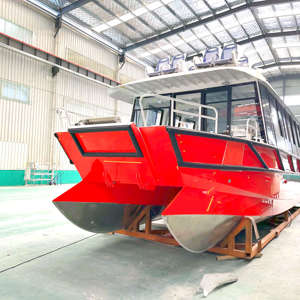
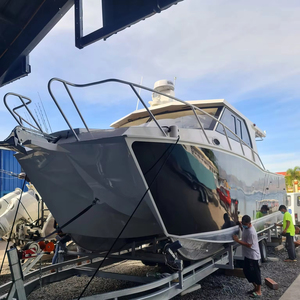
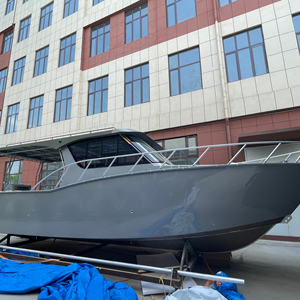
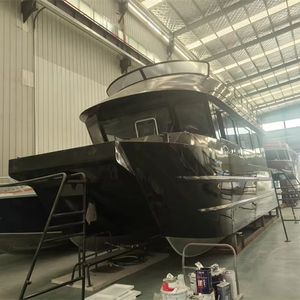
Direct factory supply and ocean chartering services for high-capacity marine craft, passenger aluminum catamarans, and specialized vessels tailored for West African coastal and inland waterways.
An executive whitepaper on optimizing maritime supply chains, mitigating demurrage, and mastering regulatory compliance across Lagos Port Complex, Tin Can Island, and Lekki Deep Sea Port.
As Africa's largest economy and premier consumer market, Nigeria relies heavily on maritime ocean freight imports to fuel its industrialization, infrastructure, and commercial sectors. Shipping goods from manufacturing giants across Asia, North America, and Europe into Nigerian ports requires more than basic freight booking; it demands an intricate knowledge of West African maritime routes, regional port infrastructure, and local customs clearing procedures.
Importers face unique operational variables when cargo arrives at primary gateways such as the Lagos Port Complex (Apapa), Tin Can Island Port, and the newly commissioned, deep-water automated Lekki Deep Sea Port. Managing containerized Full Container Load (FCL), Less than Container Load (LCL), and specialized Breakbulk/Project Cargo requires robust operational frameworks to combat vessel berthing delays, traffic gridlock around port corridors, and complex regulatory audits.
In accordance with guidelines established by the Central Bank of Nigeria (CBN) and the Nigeria Customs Service (NCS), all ocean freight import operations must adhere strictly to documentation standards prior to cargo departure from the origin port. Failure to navigate these procedures leads to severe financial penalties, lengthy port demurrage accumulation, and potential cargo seizures.
The standard mandatory import clearance workflow encompasses three critical pillars:
A. E-Form M Registration: Before manufacturing or shipping begins, importers must open an electronic Form M on the Nigerian Single Window Trade Portal through an Authorized Dealer Bank. Form M validates the regulatory eligibility of the imported commodities and triggers mandatory foreign exchange (FX) monitoring protocols.
B. SONCAP & NAFDAC Certificates: Manufactured industrial goods, vessels, machinery, and consumer products must undergo pre-shipment testing to obtain the Standards Organisation of Nigeria Conformity Assessment Program (SONCAP) Certificate. Food, beverage, chemical, and pharmaceutical consignments require explicit registration with the National Agency for Food and Drug Administration and Control (NAFDAC).
C. Pre-Arrival Assessment Report (PAAR): Issued by the Nigeria Customs Service ruling headquarters, the PAAR document calculates applicable Customs Duties, Value Added Tax (VAT), and National Automotive Council (NAC) levies based on exact Harmonized System (HS) Codes. A valid PAAR is indispensable for final cargo release at terminal gates.
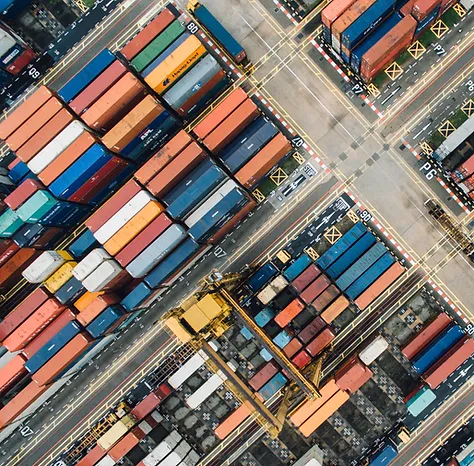
As an FMC-licensed Non-Vessel Operating Common Carrier (NVOCC) and CTPAT-certified international freight forwarder, Intertrans Express Inc. bridges global manufacturing centers directly to Nigerian entry points. By issuing our own direct House Bills of Lading (HBL), we guarantee total transparency over the ocean cargo chain of custody.
Our direct carrier contracts with top-tier ocean lines secure allocated space during peak shipping seasons, while our specialized West Africa desk mitigates detention risks through optimized free-time negotiations (demurrage waivers up to 21 days for inland delivery destinations).
Tailored maritime transport solutions for key economic sectors operating within Nigeria's coastal, riverine, and industrial zones.
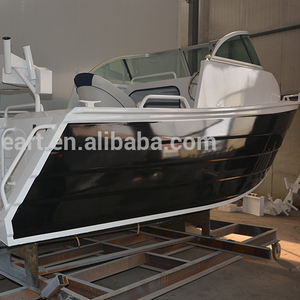
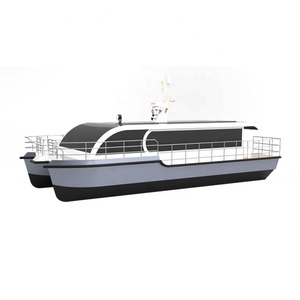
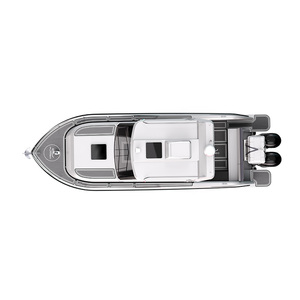
Importation of 10m to 18m aluminum catamarans and fishing vessels for oil field crew transit, coastal patrol, and commercial passenger transport across the Niger Delta waterways (Port Harcourt, Warri, Bonny Island) and Lagos Lagoon corridors.
End-to-end heavy lift chartering and Open Top / Flat Rack container shipping for factory plant setups in Ogun State manufacturing clusters, Kano industrial zones, and Lekki Free Trade Zone (LFTZ) industrial facilities.
Specialized breakbulk shipping and port-to-site drayage for high-value infrastructure projects, power plant components, and commercial maritime yachts bound for privatized docks and marine facilities in West Africa.
Understanding structural market shifts is essential for buyers and manufacturers striving for landed-cost stability.
The operational deployment of the modern Lekki Deep Sea Port has transformed West African shipping dynamics. Capable of handling post-Panamax vessels up to 18,000 TEU capacity, Lekki reduces vessel dwell times and lowers ocean freight transshipment costs. Smart importers are increasingly shifting cargo bookings to Lekki to bypass historical traffic bottlenecks surrounding the Apapa corridor.
To optimize last-mile delivery, shippers are leveraging intermodal barge solutions directly from Lagos port terminals across inland waterways to regional distribution hubs in Ikorodu and Onitsha. This strategy decreases inland trucking transit costs while insulating importers from road corridor delays.
The Nigeria Customs Service’s ongoing digitization initiatives—including integrated risk management modules and automated PAAR issuance systems—have heightened the necessity for zero-error documentation. Importers working with compliant NVOCC operators experience accelerated clearance timelines and reduced physical examination rates.
Managing international logistics into West Africa demands absolute operational accountability. Intertrans Express Inc. manages your entire freight dossier under a single dedicated point of contact.
From pre-advise manifest filings (AMS/ISF for transshipments) to factory floor pickup, container lashing inspections, marine cargo insurance, and final customs clearance support, we protect your profit margins against unexpected surcharges and demurrage fees.
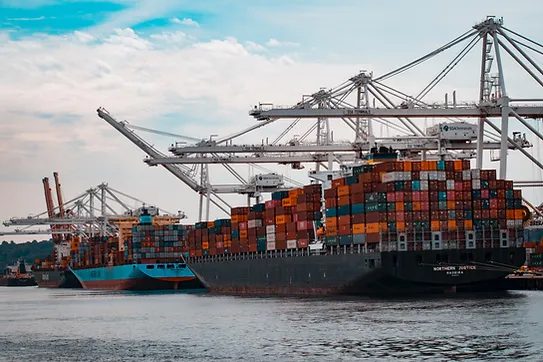
Backed by over four decades of operational expertise, licensed compliance, and direct corporate offices.
We are a fully licensed Non-Vessel Operating Common Carrier (NVOCC) and validated CTPAT supply chain security partner, granting us direct filing authority and expedited customs processing advantages worldwide.
Incorporated with decades of hands-on freight forwarding experience, our operational leadership brings deep expertise in complex maritime trade lanes, dangerous goods (IMDG), and commercial vessel logistics.
With direct corporate offices in Los Angeles (HQ), New York, Toronto, and Bangkok, complemented by audited partner networks in West Africa, we bridge origin factories seamlessly to destination ports.
Expert insights addressing key regulatory, documentation, and operational questions for ocean freight inbound to Nigeria.
PAAR is issued by the Nigeria Customs Service (NCS) ruling center. To obtain PAAR, your designated Authorized Dealer Bank uploads final shipping documents—including the commercial invoice, final bill of lading, packing list, CCVO (Combined Certificate of Value and Origin), and valid SONCAP/NAFDAC certificates—against your active e-Form M file. Once audited, Customs releases the PAAR for duty calculation.
Yes. We specialize in out-of-gauge (OOG) containerized transport (Flat Racks/Open Tops) as well as breakbulk vessel chartering for commercial craft, fishing catamarans, and industrial equipment from global factories in Asia and North America directly into Lagos and Lekki ports.
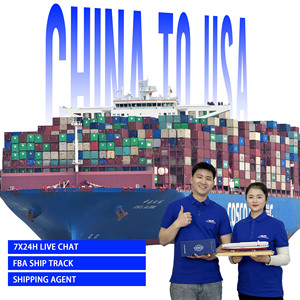
Direct ocean transit from main Asian ports (Qingdao, Shanghai, Ningbo, Shenzhen) to Lagos ports (Apapa, Tin Can, Lekki) typically ranges between 30 to 42 days, depending on carrier service loops and transshipment schedules at intermediate hubs like Singapore or Lome.
Demurrage risk is minimized by: 1) Ensuring all pre-arrival paperwork (Form M and PAAR) is finalized prior to vessel discharge; 2) Securing 14-21 days of container free-time from the ocean line through your NVOCC contract; and 3) Utilizing direct off-dock container terminal transfers or barge evacuation routes.
Yes. Intertrans Express Inc. is a licensed NVOCC authorized by the Federal Maritime Commission (FMC). We issue our own legal House Bills of Lading, offering full financial accountability, regulatory compliance, and cargo track-and-trace visibility throughout the freight journey.
Speak directly with our ocean freight logistics strategists. We provide competitive FCL/LCL ocean rates, vessel chartering solutions, and complete customs clearance guidance tailored to your commercial needs.