Direct manufacturer OEM/ODM marine vessels, commercial charter craft, and specialized breakbulk cargo units fully compliant with European Union CE Directives and international maritime freight protocols.
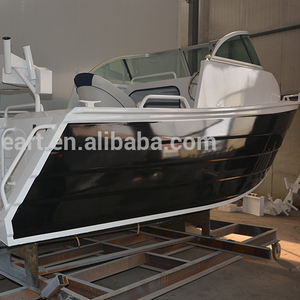
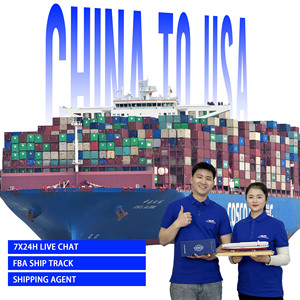
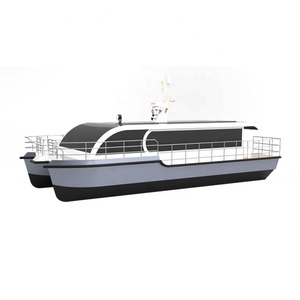
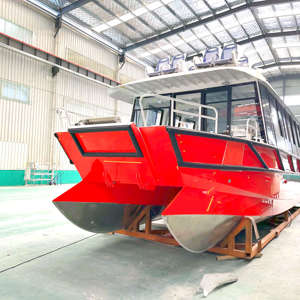
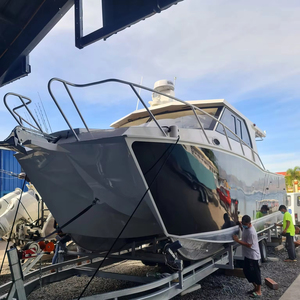
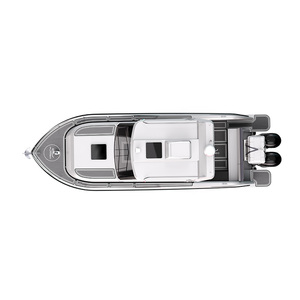
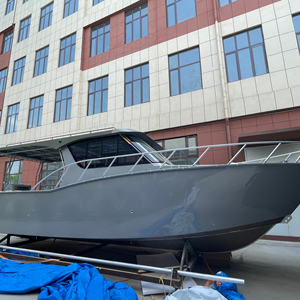
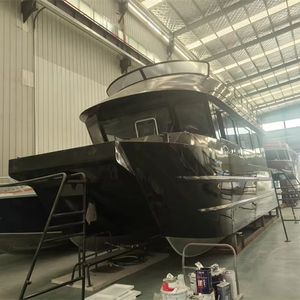
The Grand Duchy of Luxembourg represents a unique, highly sophisticated multimodal hub at the heart of the European Union’s Single Market. Positioned strategically between Germany, France, and Belgium, Luxembourg operates as a primary gateway for international trade, high-tech manufacturing components, luxury maritime goods, and heavy industrial machinery. However, importing and exporting commercial assets, OEM/ODM manufactured goods, and specialized marine vessels (such as aluminum catamarans, charter boats, and cuddy cabin yachts) into the Luxembourg market requires strict adherence to European Union Customs Code (UCC) framework, national tariff schedules (TARIC), and complex cross-border clearance procedures.
Enterprise buyers, fleet charter operators, and industrial importers in Luxembourg do not merely search for standard shipping services; their search intent focuses on regulatory certainty, landed-cost predictability, and end-to-end accountability. Because Luxembourg is landlocked, maritime shipments bound for the Grand Duchy rely heavily on primary seaport gateways including the Port of Rotterdam (Netherlands), Port of Antwerp-Bruges (Belgium), and Zeebrugge, followed by inland waterway barges along the Rhine-Moselle river network arriving directly at the Port of Mertert, or expedited road/rail drayage.
Our role as an integrated OEM/ODM customs brokerage supplier and international freight forwarder is to eliminate the frictional barriers of multi-jurisdictional compliance, ensuring that your commercial vessels, industrial goods, and charter assets move seamlessly from Asian manufacturing centers (such as Qingdao) into the Benelux market without incurring unnecessary demurrage, customs holds, or tax inefficiencies.
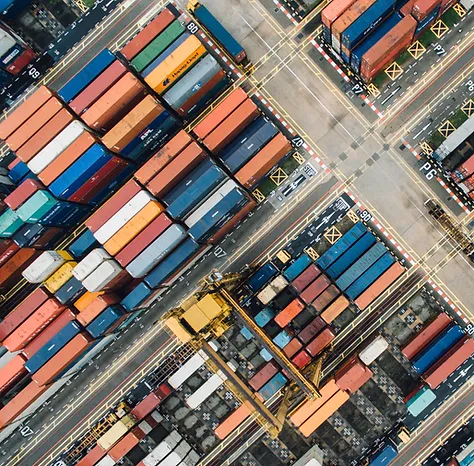
Customs declaration within Luxembourg is governed by the Administration des Douanes et Accises (ADA) under the umbrella of the EU Union Customs Code. Achieving frictionless clearance for OEM/ODM products and commercial marine vessels entails five critical procedural milestones:
All economic operators importing into Luxembourg must hold an active Economic Operators Registration and Identification (EORI) number tied to Luxembourgish VAT systems (TVA), permitting access to simplified import protocols.
Precise Harmonized System (HS) and TARIC code assignment for aluminum vessels (e.g., HS 8903 for yachts and recreational craft, HS 8901 for passenger vessels) dictates exact customs duty rates, anti-dumping checks, and environmental surcharges.
When goods discharge at Rotterdam or Antwerp bound for Luxembourg customs release, our FMC-licensed NVOCC network executes New Computerised Transit System (NCTS) T1 documents to keep cargo in bond until final arrival in Luxembourg.
Tailored logistics models engineered for commercial marine operators, charter boat fleet owners, and industrial importers across the Luxembourg market.
Shipping 11.6m center console catamarans and 18m commercial fishing charter vessels requires special Flat Rack (FR) or Open Top (OT) ocean containers. We manage marine surveyor lashing approvals, port drayage from Antwerp, and heavy-lift trailer movement over Benelux highway corridors with specialized routing permits for oversized loads entering Luxembourg.
For time-sensitive OEM spare parts, marine engines (e.g., 250HP outboard systems), and charter propulsion machinery, we leverage direct air freight forwarding into Luxembourg Findel Airport (LUX). Cargo clears through immediate customs pre-entry algorithms, mitigating AOG (Aircraft/Vessel On Ground) downtime.
Many Luxembourg entities operate as central administrative headquarters for European leisure charter networks. Utilizing Luxembourg’s deferred VAT accounting (Reverse Charge Mechanism), importers avoid upfront cash-flow drain during initial customs entry when distributing vessels into secondary markets like France or Germany.
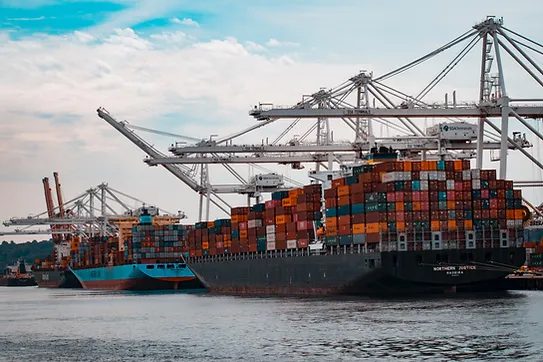
Incorporated in 1999 with a founding operational team possessing over 40 years of hands-on maritime experience, Intertrans Express Inc. operates as a fully licensed Federal Maritime Commission (FMC) Non-Vessel Operating Common Carrier (NVOCC) and a validated CTPAT partner. Unlike traditional freight forwarders who sub-contract documentation and customs clearance to fragmented third-party entities, our in-house specialists execute every operational phase under a single file.
Our direct carrier contracts with global container lines ensure space guarantees for FCL and LCL cargo across Transpacific, Intra-Asia, and European shipping channels, providing Luxembourg buyers with predictable transit schedules and competitive landed costs.
We issue our own FMC-compliant Bills of Lading, facilitating express telex releases, clean chain-of-custody tracking, and simplified bank L/C (Letter of Credit) document verification.
Our CTPAT partner status validates strict security protocol enforcement across loading terminals, reducing mandatory customs examination frequency and accelerating import throughput.
Certified IMDG and IATA dangerous goods operations team skilled in lithium-ion marine battery pack compliance, fuel system hazard declarations, and hazmat container blocking/bracing.
Essential technical insights addressing common customs, tariff, and maritime transport inquiries for buyers operating in the Luxembourg market.
Importation into Luxembourg incurs European Union Customs Duty (typically ranging between 1.7% to 4.7% for sea-going vessels and recreational craft under TARIC chapter 8903) calculated on the CIF (Cost, Insurance, Freight) landed value. Additionally, Luxembourg applies a standard Value Added Tax (TVA) rate of 17%. Authorized Luxembourgish importers can utilize the VAT reverse charge mechanism to defer cash payout during customs clearance.
All recreational and commercial charter vessels under 24 meters entering the EU market must comply with the European Recreational Craft Directive (RCD 2013/53/EU) and bear official CE Marking. Products supplied through our OEM/ODM manufacturing networks undergo rigorous structural hull inspections, stability assessments, and emissions verification to ensure complete CE compliance prior to export dispatch.
Yes. Shippers have two choices: 1) Execute customs clearance directly at the EU port of entry (Belgium/Netherlands) under fiscal representation, allowing goods to circulate freely into Luxembourg; or 2) Move cargo under an NCTS T1 transit document in bond to Luxembourg (e.g., Mertert customs terminal) where final customs clearance and duty/VAT settlement takes place.
Our breakbulk and project cargo desk engineers custom loading proposals using specialized Flat Rack (FR) or Open Top (OT) ocean equipment. We coordinate origin crane loading, marine lashing surveys, breakbulk vessel chartering when required, and final-mile low-boy heavy transport with municipal road permits across Benelux highway routes.
Standard documentation includes: Commercial Invoice (specifying Incoterms, currency, and itemized valuation), Detailed Packing List with net/gross weights, Master/House Bill of Lading (issued by our FMC NVOCC desk), Certificate of Origin (or EUR.1/GSP if preferential tariff treatment applies), CE Declaration of Conformity (for marine craft), and the importer’s EORI number.
Working with an FMC-licensed NVOCC like Intertrans Express Inc. ensures direct contract rates with ocean carriers, eliminates intermediary markup fees, and provides legally recognized Bill of Lading issuance. With owned operational offices in Los Angeles, New York, Toronto, and Bangkok, we maintain 24/7 cross-time-zone oversight on vessel bookings, origin loading, and destination clearance.
Connect directly with our senior customs brokerage specialists and marine logistics engineers to plan your next shipment to the Luxembourg market.
Get Catalog