Procurement & Logistics FAQ
Frequently Asked Questions by U.S. Buyers & Global Exporters
Q: What documentation is mandatory before shipping oversized project cargo to the United States?
A: Mandatory U.S. import documentation includes a detailed Commercial Invoice, Packing List with precise piece dimensions/weights, Bill of Lading (issued by an FMC-licensed NVOCC like Intertrans Express), ISF 10+2 pre-filing confirmation, ISPM-15 wood packaging certification, and structural lifting/lashing diagrams. Depending on the machinery type, EPA compliance declarations (for engine-driven equipment) or USDA agricultural cleanliness certificates may also be required.
Q: How does C-TPAT certification benefit my heavy lift project cargo import timeline?
A: C-TPAT (Customs-Trade Partnership Against Terrorism) certification signals to U.S. Customs and Border Protection that your supply chain meets strict physical and procedural security standards. For project cargo, this translates into significantly lower risk scores, resulting in fewer intrusive X-ray (VACIS) or physical tail-gate examinations at U.S. ports. Avoiding customs inspection holds saves importers thousands of dollars in port demurrage, crane detention, and schedule disruptions.
Q: Can Intertrans Express handle both ocean breakbulk freight and inland U.S. heavy-haul delivery?
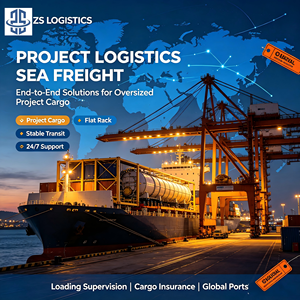
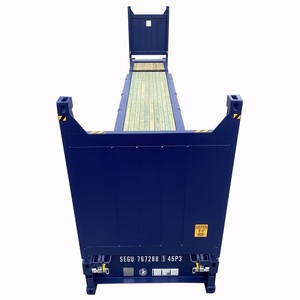
A: Yes. Intertrans Express provides complete end-to-end project cargo execution. We coordinate foreign port loading, charter ocean vessel space or open-top/flat-rack containers, perform FMC-licensed customs entry, handle U.S. port direct-discharge, and arrange specialized multi-axle heavy-haul transport (including state highway permits, route surveys, and police escorts) directly to your job site or manufacturing facility.
Q: What is the difference between purchasing under DDP vs. DAP Incoterms for U.S. project cargo?
A: Under DAP (Delivered at Place), the overseas supplier is responsible for international transport to the U.S. job site, but the U.S. buyer remains the Importer of Record (IOR) responsible for customs duties, taxes, and clearance. Under DDP (Delivered Duty Paid), the exporter assumes full responsibility for all clearance procedures, harbor maintenance fees, and U.S. customs duties. Intertrans Express assists both foreign sellers and U.S. buyers in executing seamless DDP or DAP project cargo moves.
Q: How far in advance should an industrial project logistics plan be initiated?
A: For major out-of-gauge (OOG) or heavy-lift project cargo (exceeding 50 tons or 14 feet in width/height), engineering logistics planning should begin 60 to 90 days prior to the cargo-ready date. This lead time allows for vessel charter negotiations, port crane booking, origin/destination route surveys, state DOT heavy-haul permit approvals, and pre-clearance documentation audits.