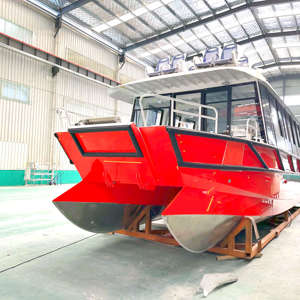
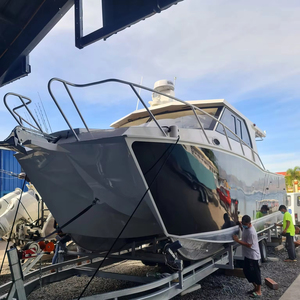
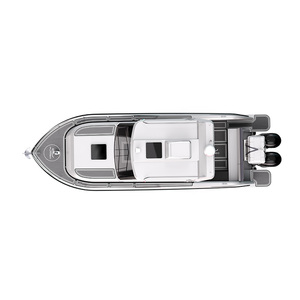
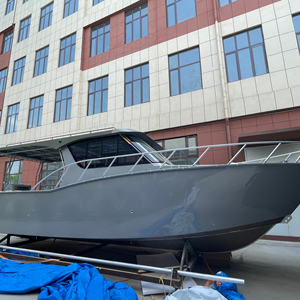
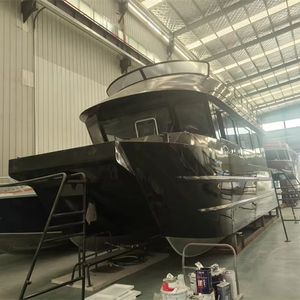
Procuring heavy industrial equipment, modular steel fabrications, and commercial aluminum vessels—such as 12m–18m charter catamarans, center console sport yachts, and custom passenger ships—from top China manufacturing hubs (e.g., Qingdao, Shanghai, Ningbo) requires far more than basic containerized ocean freight booking. When sourcing high-value, oversized assets for deployment across the United States, commercial buyers in Greater Los Angeles, Long Beach, and the Pacific Rim face intricate engineering, regulatory, and maritime hurdles. Bridging the gap between Chinese heavy cargo manufacturers and Southern California job sites demands a specialized logistics architecture that integrates custom cradle engineering, Breakbulk/Flat-Rack ocean transport, specialized port drayage, and strict U.S. Customs and Border Protection (CBP) compliance.
Information Gain Insight: Sourcing heavy machinery or commercial vessels from China into Southern California involves navigating strict port berth congestion rules, specialized Caltrans heavy transport permitting, and mandatory ISF 10+2 documentation. Working with an FMC-licensed NVOCC and CTPAT-validated logistics provider eliminates multi-tiered subcontractor markups and drastically reduces clearance risks at the Port of Los Angeles and Port of Long Beach.
When purchasing commercial boats or heavy structural modules from Chinese manufacturers, determining the optimal stowage configuration on Transpacific ocean carriers is critical to protecting cargo integrity and preventing landed cost inflation:
Ideal for commercial aluminum catamarans and mini yachts up to 45 feet. Freight is secured onto heavy-duty steel platform containers using certified wire rope lashings, wooden chocks, and custom steel cradles.
For oversized commercial vessels exceeding standard container cell limits (width > 14ft, height > 12ft), cargo is directly lifted onto ocean vessel decks or lower holds using vessel cranes or heavy-lift shore gantries under marine surveyor supervision.
Utilized for heavy wheeled machinery, trailers, and vessel-hull assemblies mounted on specialized low-boy mafi trailers, providing weather-protected deck transport across Transpacific ocean routes.
| Cargo Classification | Dimension Threshold | Primary Stowage Mode | Port Equipment Required | LA Drayage Permit Type |
|---|---|---|---|---|
| Compact Aluminum Boats (5m - 9m) | Length < 30ft, Beam < 8.5ft | 40' High Cube / 40' Flat Rack | Standard Gantry Crane | Annual Standard Overweight |
| Commercial Catamarans (10m - 12m) | Beam 10ft - 13.5ft, Height > 10ft | 40' Over-Width Flat Rack (FR) | Top-Handler / Tandem Crane | Caltrans Single-Trip Oversize |
| Heavy Commercial Ships (12m - 18m+) | Length 40ft - 60ft+, Weight 15T+ | Under-Deck Breakbulk / Deck Stowage | Floating Heavy Crane / Floating Derrick | Superload Escort Permit & Night Routing |
| Industrial Heavy Machinery / Modules | Non-Standard Structural Geometry | Open Top / Flat Rack / Ro-Ro Mafi | Spreader Bar Heavy Rigging | Tri-Axle Heavy Haul Chassis |
Executing heavy cargo delivery in Southern California requires precise knowledge of local infrastructure, municipal regulations, and harbor operations. Once heavy lift cargo arrives from China at the Port of Los Angeles (POLA) or Port of Long Beach (POLB)—the busiest container port complex in the Western Hemisphere—it transitions into a highly controlled local supply chain network.
Heavy lift items, such as 11.6m center console catamaran charter boats manufactured in Qingdao or 18m commercial fishing vessels, require direct vessel-to-water or vessel-to-chassis discharge. Key maritime berths in Southern California utilized for heavy project cargo include:
Transporting heavy cargo over Southern California highways—from port terminals to staging yards, commercial shipyards, or industrial centers in Inland Empire (Ontario, Rancho Cucamonga) and San Diego—demands strict regulatory compliance:
For commercial operators purchasing fishing vessels, luxury charter catamarans, and passenger boats, Los Angeles serves as the primary commissioning hub. Vessels discharged at POLA/POLB are transferred to specialized marine facilities in San Pedro, Marina del Rey, or Newport Beach for engine rigging, electronics installation, and USCG (United States Coast Guard) commercial charter certification.
The China-to-Los Angeles heavy cargo trade lane is experiencing rapid transformation driven by environmental mandates, digital supply chain integration, and shifting trade policies across North America.
The Ports of LA and Long Beach are mandating zero-emission terminal equipment and drayage trucks. Heavy haul logistics providers must utilize compliant clean-diesel or electric heavy trucks for port drayage.
U.S. Customs enforcement on Importer Security Filing (ISF 10+2) has intensified. Advanced logistics providers integrate automated EDI connections to transmit cargo data 24+ hours prior to loading at Chinese ports, preventing costly delays.
With heightened international trade scrutiny, importers utilizing CTPAT Tier 2/3 certified forwarders benefit from prioritized U.S. Customs inspection processing and reduced risk of cargo holds at West Coast ports.
Incorporated in 1999 by a veteran logistics management team with over 40 years of combined hands-on shipping experience, Intertrans Express Inc. stands as a premier FMC-licensed NVOCC and CTPAT-certified freight forwarding corporation headquartered in Alhambra, Greater Los Angeles.
Unlike standard freight brokers who subcontract documentation and clearance to unverified parties, Intertrans Express Inc. maintains complete, single-file operational control over your heavy cargo from China origin factories to final delivery across North America.
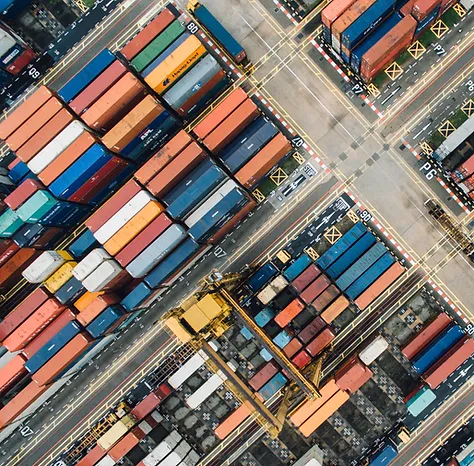
Direct oversight of booking, ocean B/L issuance, customs entry preparation, and drayage routing ensures your shipment never changes hands among unverified subcontractors.
With owned offices in Los Angeles (HQ), New York, Toronto, and Bangkok, our teams provide overlapping time-zone communication across major Pacific trade lanes.
Certified in IMDG/IATA dangerous goods compliance, specialized breakbulk lashing, route surveys, and marine insurance guidance for high-value heavy cargo.
Intertrans Express Inc.
2209 W Valley Blvd., Alhambra, CA 91803, USA
Tel: (626) 299-1822
Intertrans Express Inc.
20 W Lincoln Ave. Suite 102, Valley Stream, NY 11580, USA
Tel: (516) 812-8500
Intertrans Express (Canada), Inc.
65 International Blvd. Suite 204, Etobicoke, ON M9W 6L9
Tel: (416) 674-9888
Intertrans Express, Inc.
582 Soi On Nut 17, Suan Luang, Bangkok 10250, Thailand
Tel: 02-1143360
Clear, direct answers for procurement managers, fleet operators, and importers shipping heavy machinery and commercial vessels from China to the U.S. West Coast.
Importing commercial vessels or heavy machinery requires filing U.S. Customs Entry Summary (CBP Form 7501), Importer Security Filing (ISF 10+2), and securing EPA (Environmental Protection Agency) engine compliance certification (for motorized craft). Working with an FMC-licensed NVOCC like Intertrans Express Inc. ensures seamless filing under valid Customs Bonds.
Vessels are placed into custom steel or heavy timber cradles specifically engineered to match hull deadrise angles. The cradles are secured to 40ft/45ft Flat Racks or vessel breakbulk decks using high-tensile steel chains, turnbuckles, and nylon webbing, certified by an independent Marine Cargo Surveyor before vessel departure.
CTPAT (Customs Trade Partnership Against Terrorism) certification signals to U.S. Customs that your supply chain adheres to rigorous security standards. CTPAT-certified importers experience significantly lower inspection rates, priority processing during port congestion, and expedited clearance through Southern California terminals.
Out-of-gauge equipment often carries shorter free-time allowances at port terminals (typically 2–3 days). Intertrans Express Inc. mitigates demurrage by pre-clearing customs via advance ISF transmission, pre-arranging Caltrans heavy haul permits, and pre-mounting specialized tri-axle chassis prior to vessel discharge.
Yes. Our Los Angeles headquarters controls dedicated drayage operations, coordinating specialized multi-axle low-boy trailers, route clearances, street closure permits, and pilot car escorts across California, Nevada, Arizona, and nationwide corridors.