Engineered for Manila Bay operations, inter-island logistics, passenger transfer, and heavy-lift transshipment across the Philippine archipelago.
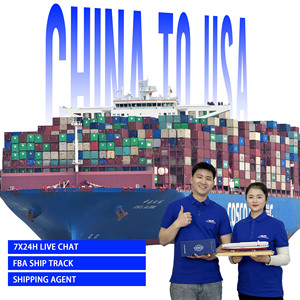
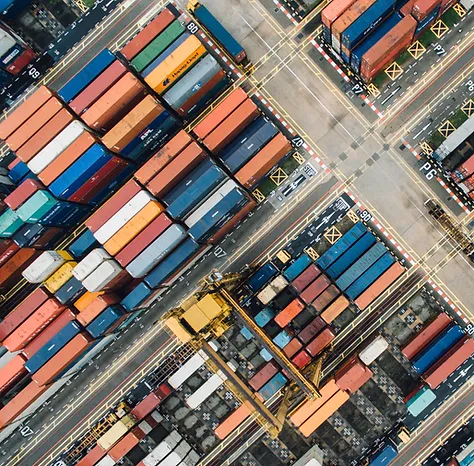
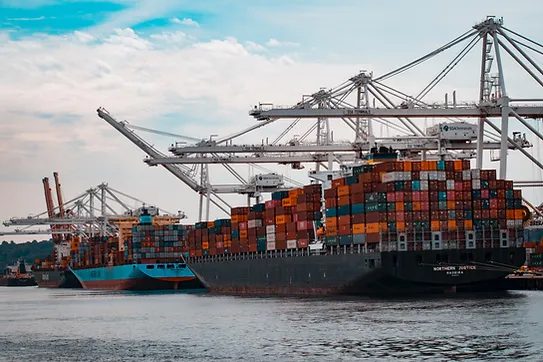
The Port of Manila—encompassing the Manila International Container Terminal (MICT), Manila South Harbor, and Manila North Port—functions as the core maritime heartbeat of the Philippines. Handling over 80% of the nation's international trade volume, Manila represents a critical nexus for East Asian, Transpacific, and European trade routes. However, navigating the complex operational landscape of Manila harbor requires more than generic freight forwarding; it demands an integrated, FMC-licensed NVOCC partner capable of executing precision logistics, vessel chartering, and stringent Philippine Bureau of Customs (BOC) clearance protocols.
Intertrans Express Inc. leverages over four decades of operational mastery to deliver tailored supply chain and cargo shipping solutions. From full container loads (FCL) and less-than-container loads (LCL) to specialized aluminum commercial vessel chartering and out-of-gauge (OOG) project cargo, our enterprise architecture directly addresses the unique pain points of the Manila trade corridor. By establishing direct carrier contracts, owning strategic node offices across Los Angeles, New York, Toronto, and Bangkok, and maintaining CTPAT supply chain security compliance, we ensure your cargo moves seamlessly from global origin ports to final destination docks across Metro Manila, Luzon, and the Visayas-Mindanao regions.
Standard freight forwarders frequently experience extended dwell times at MICT due to yard utilization surges during Q3/Q4 peak cycles. Intertrans Express mitigates this risk by utilizing pre-lodgement customs processing, direct off-dock container yard (ODCY) transfer agreements, and dedicated drayage fleets, cutting average container dwell time by up to 36 hours compared to market averages.
Managing cargo flows into the Philippines requires multi-modal flexibility adapted to urban infrastructure realities, such as Manila’s truck ban regulations and port access windows. Our service portfolio is structured to optimize landed costs while eliminating supply chain bottlenecks.
Our long-established carrier relationships provide guaranteed vessel space allocations even during tight capacity windows. For high-volume manufacturing inputs, retail finished goods, and industrial raw materials, our Full Container Load (FCL) programs cover 20', 40', 40'HC, and high-cube refrigerated (Reefer) equipment. For smaller shipments, our weekly Less-than-Container Load (LCL) consolidations offer direct co-loading options from primary Asian ports (Qingdao, Shanghai, Ningbo, Shenzhen) and Transpacific hubs directly into Manila South Harbor, minimizing handling touches and reducing cargo damage risks.
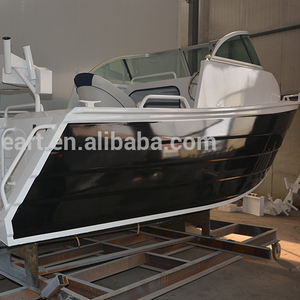
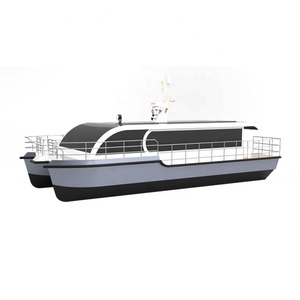
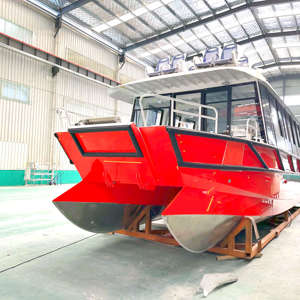
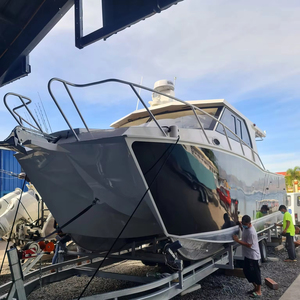
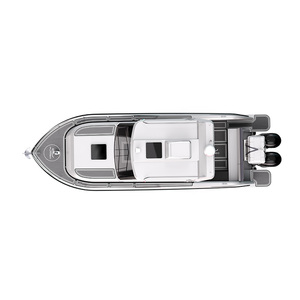
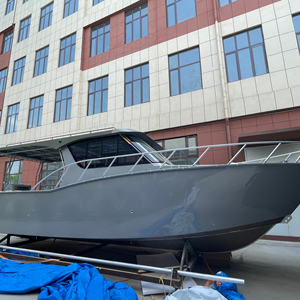
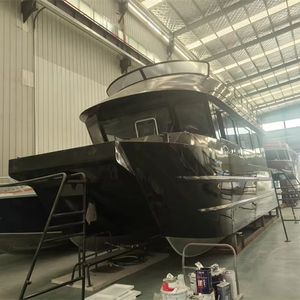
Beyond traditional container shipping, the Philippine archipelago demands specialized maritime assets for island-hopping logistics, coastal transport, tourism charters, and maritime security operations. Intertrans Express specializes in the procurement, export logistics, and chartering deployment of high-grade marine-grade aluminum vessels. Featuring deep-V hulls, catamaran twin-hull stability, and CE-certified commercial configurations (spanning 5m mini cuddy cabins to 18m passenger and fishing catamarans), these vessels serve essential commercial roles across Manila Bay, Palawan, Cebu, and Davao maritime sectors.
Infrastructure growth under Philippine national development programs requires the movement of massive transformers, structural steel, piling rigs, and industrial machinery. Our project cargo desk conducts comprehensive route surveys, hydrographic assessments for barge landings, and specialized lashing/securing oversight in compliance with IMO and IMDG standards.
To assist procurement managers and supply chain directors in selecting optimal logistics assets for Manila deployment, the following matrix outlines key technical parameter benchmarks:
| Logistics / Craft Class | Primary Application | Capacity / Payload | Port / Operational Fit | Compliance & Certs |
|---|---|---|---|---|
| FCL Standard (20'/40'HC) | Bulk Commercial Goods | Up to 28,000 kg | MICT / South Harbor Deepwater | FMC, CTPAT, Bill of Lading |
| LCL Consolidation | Small-Medium Enterprise Cargo | 1 CBM – 15 CBM | Manila Off-Dock CY Facilities | AMS / ISF / BOC Manifest |
| 9m-11.6m Aluminum Catamaran | Island Transfer & Charter | 8–16 Passengers / 2.5 Tons | Shallow Draft Bays & Inter-Island | CE Certified, Marine Grade 5083 |
| 12m-18m Commercial Vessel | Offshore Support & Fisheries | Multi-Ton Equipment / Fuel | Coastal Harbors & Open Seas | IMO / MARPOL Standards |
| Heavy-Lift Flat Rack / Breakbulk | Industrial Infrastructure | 50+ Metric Tons | Specialized Heavy Pier Terminals | Certified Lashing & Route Survey |
Exporting to and importing within the Manila market demands meticulous alignment with local regulatory bodies, specifically the Philippines Bureau of Customs (BOC) under the Customs Modernization and Tariff Act (CMTA). Minor documentation discrepancies can result in severe hold penalties, Warrant of Seizure and Detention (WSD), and costly demurrage fees.
Navigating global supply chains requires an operational structure built on transparency, regulatory compliance, and accountable single-source execution. Intertrans Express Inc. stands apart in the logistics landscape through verified institutional credentials:
Addressing common operational, regulatory, and chartering inquiries for shipping to and operating within Metro Manila.
Transit times to the Port of Manila vary based on the port of origin. Direct ocean freight shipments from major East Asian ports (e.g., Shanghai, Qingdao, Shenzhen) generally take 4 to 8 days. Transpacific shipments from West Coast U.S. ports (e.g., Los Angeles/Long Beach) average 18 to 24 days depending on vessel rotation and transshipment stops in East Asia.
Metro Manila enforces strict daytime truck bans on major arterial roads (typically 6:00 AM – 10:00 AM and 5:00 PM – 10:00 PM, excluding Sundays and holidays). Our local logistics dispatch utilizes designated 24-hour truck routes (such as the Roxas Boulevard - Port Area corridor) and schedules night-move drayage to ensure continuous container movement from MICT/South Harbor directly to warehouse destinations without incurring municipal traffic fines.
Yes. We specialize in end-to-end export logistics for commercial aluminum vessels—including 5m cuddy cabins, 9m-11.6m catamarans, and 18m passenger vessels. We coordinate cradle construction, shrink wrapping, flat rack loading, ocean transport to Manila or Cebu, and local customs entry under the Maritime Industry Authority (MARINA) and BOC guidelines.
Essential import documentation includes the Master & House Bill of Lading, Commercial Invoice, Packing List, Certificate of Origin (Form E for ASEAN-China preference to secure zero/reduced tariffs), Import Entry and Internal Revenue Declaration (IEIRD), and specific regulatory permits (e.g., BPI for agricultural goods, FDA for cosmetics/medicals).
Demurrage and detention fees accrue quickly when container clearance hits paperwork snags. We mitigate this through pre-lodgement manifest filing, proactive monitoring of vessel arrival notices, pre-arranged chassis availability, and prompt container de-stuffing at off-dock yards. Furthermore, our FMC-backed carrier contracts offer extended free-time terms (up to 14 days) for qualified high-volume lanes.
Partner with an FMC-licensed NVOCC and vessel chartering expert equipped to deliver absolute freight reliability, tariff efficiency, and end-to-end transparency across the Philippine market.