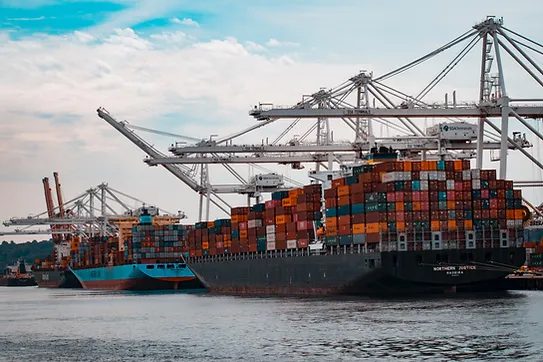
Explore our premier line of CE-certified aluminum commercial catamarans, luxury fishing yachts, and tailored Ro-Ro / Flat-Rack intermodal shipping solutions designed specifically for transpacific delivery to New Zealand ports.
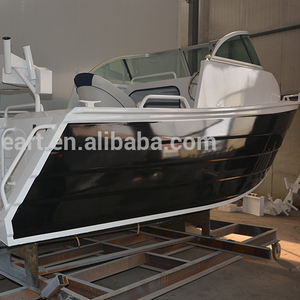
Compact offshore recreational vessel engineered with marine-grade 5083-H116 aluminum hull, ideal for New Zealand coastal charters.
Comprehensive NVOCC vessel chartering and containerized logistics solutions with guaranteed port space allocations.
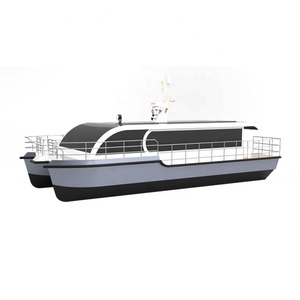
Heavy-duty commercial twin-hull aluminum vessel built for high-wave stability in Southern Ocean & Tasman Sea environments.
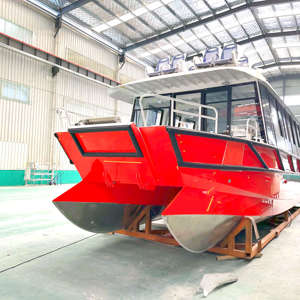
Precision-engineered high-speed ocean catamaran featuring dual outboard engine mounts and modular deck configuration.
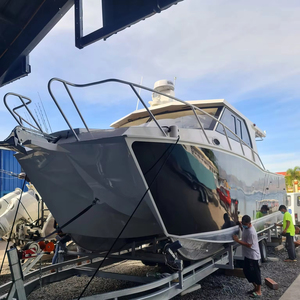
CE-certified commercial fishing vessel utilizing precision deep-V hull architecture for maximum fuel efficiency and displacement.
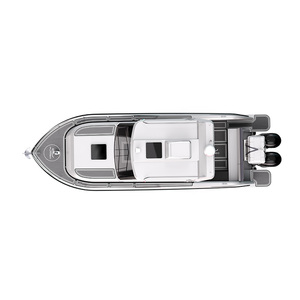
8-passenger luxury cruiser optimized for tourist charter operators in Auckland, Tauranga, and Marlborough Sounds.
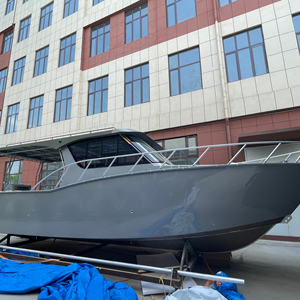
Heavy passenger capacity commercial ferry and dive vessel equipped with safety compliance structures for NZ maritime standards.
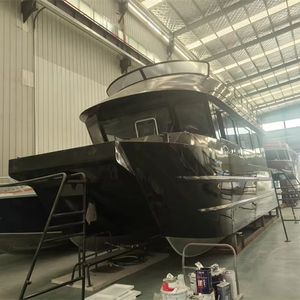
Flagship center console catamaran featuring reinforced transom, ocean-grade anti-corrosion coating, and high-speed stability.
In the era of modern global supply chain optimization, executing reliable cross-border freight transportation for heavy industrial assets and marine vessels to New Zealand demands more than basic ocean freight forwarding. New Zealand’s geographical isolation, combined with stringent regulatory oversight by Biosecurity New Zealand (Ministry for Primary Industries - MPI) and Maritime New Zealand (MNZ), requires a integrated manufacturer-to-logistics framework. As a premier FMC-licensed NVOCC and specialized commercial vessel manufacturer, Intertrans Express Inc. (in alliance with Gospel Boat manufacturing networks) provides an end-to-end operational pathway that mitigates transit risks, reduces total landed costs, and guarantees structural compliance.
When importing heavy industrial goods, commercial catamarans, and workboats into main regional hubs such as Auckland, Tauranga, Wellington, Lyttelton, and Port Chalmers, importers often face severe friction regarding Out-of-Gauge (OOG) container securing, roll-on/roll-off (Ro-Ro) vessel allocation, and unexpected demurrage penalties. By controlling both the precision manufacturing of aluminum hulls and the international freight forwarding documentation chain—including AMS, ISF, and bill of lading issuance—our dual capability delivers unmatched transparency and information gain across every phase of shipment.
New Zealand’s coastal and offshore maritime conditions, specifically around the Cook Strait and the Southern Ocean, are among the most demanding in the world. Standard fiberglass or low-grade alloy vessels fail under prolonged structural stress. Our export-grade commercial catamarans and fishing yachts utilize 5083-H116 and 5086-H116 structural marine-grade aluminum plate, cut via high-precision CNC laser technology and joined by certified MIG/TIG pulse welding protocols.
Twin-hull catamaran design maximizes displacement width, minimizing roll angles in high-swell Tasman Sea waves while maintaining high operational fuel efficiency.
Every commercial vessel undergoes comprehensive buoyancy, stability, and watertight integrity audits, adhering strictly to European CE and Maritime NZ survey requirements.
Custom engineered steel transport cradles and specialized shrink-wrap protection preserve hull finishes and delicate electronics during ocean transit.
Transporting oversized equipment such as an 11.6-meter center console catamaran or a 18-meter commercial charter vessel requires meticulous stowage planning. As an FMC-licensed NVOCC (Non-Vessel Operating Common Carrier) and CTPAT-certified logistics provider with over 40 years of combined operational experience, we eliminate reliance on third-party brokers by issuing direct House Bills of Lading (HBL) and overseeing terminal operations directly.

Whether utilizing Full Container Load (FCL) for modular boat parts, Flat Rack (FR) containers for wide-beam hulls, or specialized Breakbulk / Ro-Ro carriers for completed vessels, our logistics team handles all pre-carriage trucking, port lashing certification, marine insurance, and export documentation.
Our owned branch offices in North America and Asia coordinate directly with regional marine terminals in New Zealand to ensure priority berth staging, minimizing dwell times and protecting cargo from port congestion hazards.
New Zealand’s unique blue economy relies heavily on versatile, low-maintenance aluminum vessels across diverse commercial and recreational sectors. Our exported products are specifically configured for local operating environments:
Locations: Marlborough Sounds, Bay of Islands, Fiordland.
Deploying 9m to 11.6m passenger-certified luxury charter yachts for sight-seeing, dolphin watching, and luxury eco-tours, built with sound-dampened aluminum hulls and panoramic enclosed cabs.
Locations: Hauraki Gulf, Stewart Island, Tasman Bay.
Utilizing 10m to 18m heavy-duty catamarans for commercial line fishing, lobster potting, and mussel farm maintenance, offering wide deck space and high deck-load capacities.
Locations: Auckland Harbour, Wellington, Lyttelton.
Rugged 5m to 11m cuddy cabin mini yachts and utility bow-riders deployed for water taxi services, marine survey work, harbor patrol, and island supply transport.
Navigating the New Zealand market requires strict adherence to environmental policies and biosecurity mandates. Importers must account for key regional industry shifts:
1. MPI Biosecurity & Hull Biofouling Regulations: New Zealand enforces some of the world's strictest bio-fouling standards under the Craft Risk Management Standard (CRMS). Imported vessels—whether shipped as deck cargo or inside containers—must be completely free of organic contaminants, soil, seeds, and marine growth. Our manufacturing facilities execute full high-pressure thermal washdowns and apply MPI-approved anti-fouling coatings prior to export loading.
2. Sustainable Maritime Electrification: New Zealand’s commitment to carbon reduction is driving commercial operators toward hybrid and electric propulsion compatibility. Our aluminum hulls feature lightweight hydro-efficient geometry designed to accommodate dual electric outboard systems, battery bank storage compartments, and solar canopy integrations seamlessly.
3. Timber Packaging Material Compliance (ISPM-15): All transport cradles, dunnage, and wooden framing used in shipping equipment to New Zealand ports must undergo certified heat treatment (HT) or Methyl Bromide fumigation in strict compliance with ISPM-15 standards to prevent pest entry.
Combining state-of-the-art aluminum vessel manufacturing with a fully licensed global freight forwarding enterprise gives our buyers an overwhelming competitive advantage: